Let's talk about your smile: (330) 896-0600
5 Questions Parents Ask About Early Orthodontic Intervention

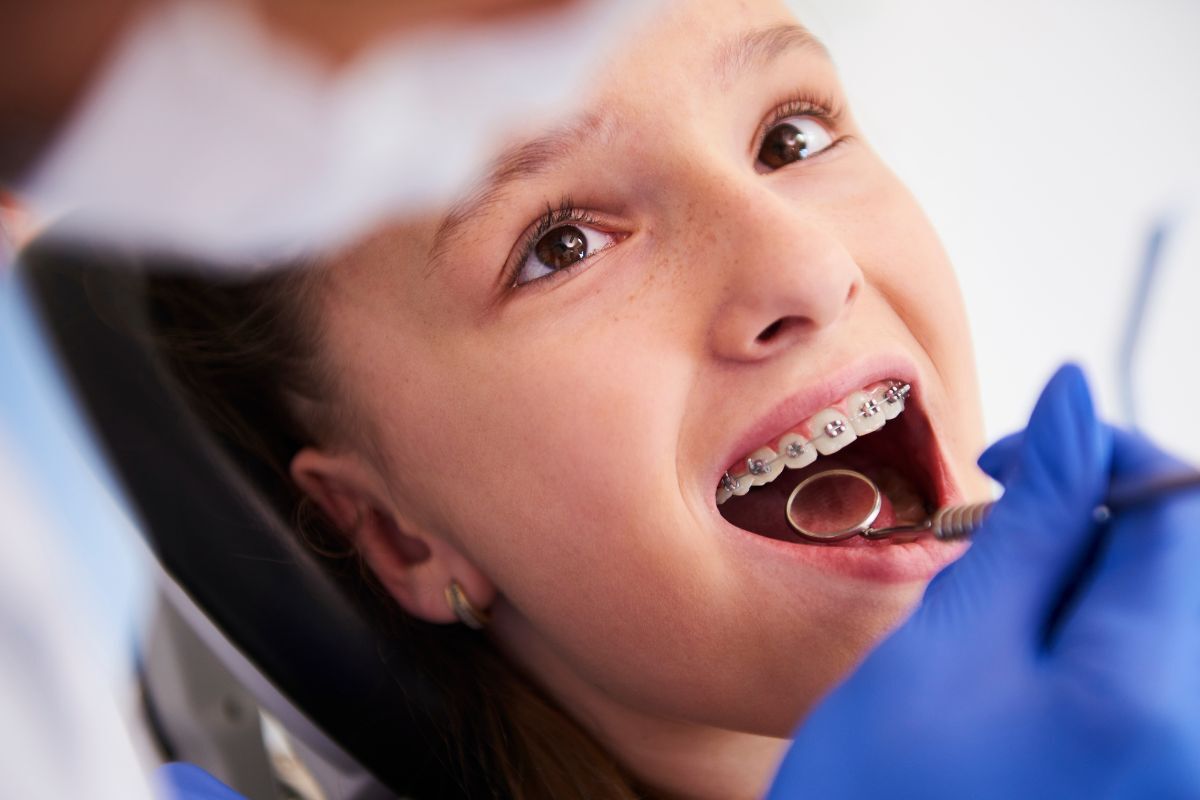
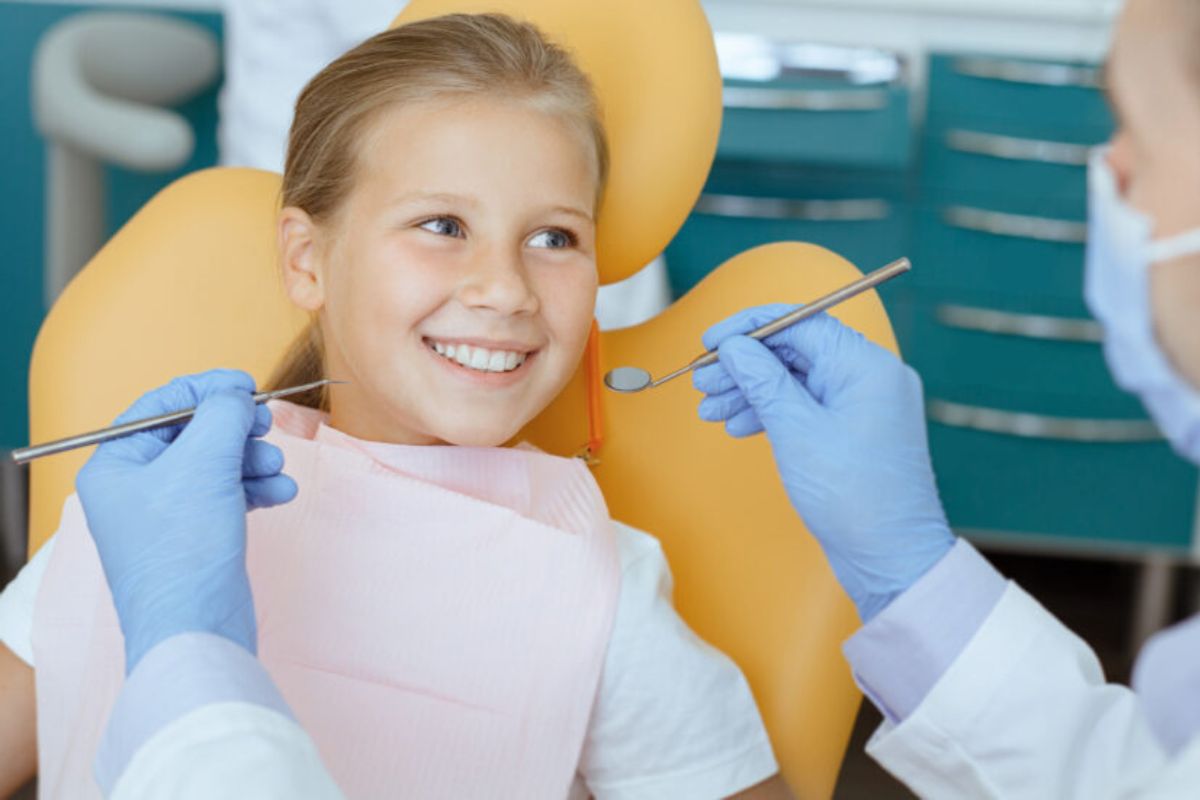
If you have a young child and you’re wondering whether their teeth are developing correctly, you’re not alone. Many parents in Uniontown, OH come to us with the same concerns. The 5 questions parents ask about early orthodontic intervention in Uniontown often reflect a mix of curiosity, worry, and hope. At Spoonhower Orthodontics, Dr. Spoonhower helps families understand exactly what early treatment involves and whether it’s the right step. This article answers those common questions honestly and clearly.
What Is Early Orthodontic Intervention and Why Does It Matter in Uniontown?
Early orthodontic treatment, sometimes called Phase 1 treatment, addresses bite and alignment issues before all permanent teeth come in. It typically begins between ages 6 and 10. The goal is to guide jaw development while the bone is still growing and flexible.
Catching problems early can prevent more complex treatment later. Issues like overcrowding, crossbites, and protruding teeth respond better when treated young. An orthodontist evaluates each child individually to determine if early action is truly needed.
Not every child requires early treatment. Some kids do just fine waiting until all permanent teeth arrive. The key is getting a proper evaluation so families in Uniontown can make informed decisions.
Benefits of early orthodontic evaluation include:
- Identifying jaw development problems before they worsen
- Creating space for incoming permanent teeth
- Reducing the risk of tooth extractions later
- Improving facial symmetry during growth phases
- Shortening the length of future orthodontic treatment
At What Age Should My Child See an Orthodontist?
The American Association of Orthodontists recommends a first orthodontic visit by age 7. At this age, Dr. Spoonhower can spot subtle problems with jaw growth and emerging teeth. Most children won’t need treatment right away, but early screening is valuable.
By age 7, children typically have enough permanent teeth for a thorough assessment. The orthodontist uses X-rays and a clinical exam to build a clear picture. Parents often feel relieved after this visit, knowing their child’s development is on track.
If you’ve noticed signs like mouth breathing, thumb sucking beyond age 5, or difficulty chewing, schedule an evaluation sooner. These habits can significantly affect jaw and tooth development. Early awareness gives families more options and time to act.
5 Questions Parents Ask About Early Orthodontic Intervention in Uniontown Answered Honestly
Parents often arrive at our Uniontown office with a list of concerns. Here are the five most common questions we hear, along with straightforward answers from Dr. Spoonhower.
1. Will my child definitely need braces later if they start early treatment now?
Not necessarily. Some children complete Phase 1 treatment and need minimal or no Phase 2 braces. Others still benefit from full Clear Aligners or traditional braces as teens. Dr. Spoonhower will give you a realistic picture from the start.
2. Is early treatment really necessary, or is it just recommended to get more business?
Early treatment is only recommended when there is a clinical need. Dr. Spoonhower will never suggest treatment that isn’t warranted. If your child’s development looks healthy, we’ll simply monitor them over time.
3. What happens during Phase 1 treatment?
Phase 1 may involve expanders, partial braces, or other appliances. Treatment typically lasts 9 to 18 months. After Phase 1, there is usually a resting period before Phase 2 begins if needed.
4. Will early treatment hurt my child?
Most children experience mild discomfort after adjustments, especially in the first few days. This is normal and temporary. Over-the-counter pain relief and soft foods usually help significantly.
5. How do I know if there’s an orthodontic emergency during treatment?
Broken appliances, loose wires, or unexpected pain should be addressed quickly. Our team provides clear Emergency Info Uniontown, so families know exactly what to do if a problem arises outside of regular hours.
What Are the Signs My Child May Need Early Orthodontic Evaluation?
Parents often ask how they can spot potential issues before visiting an orthodontist. There are several signs that may signal a need for evaluation. Recognizing them early gives more time to intervene effectively.
Watch for these warning signs in your child:
- Early or late loss of baby teeth
- Difficulty biting or chewing food
- Mouth breathing or snoring during sleep
- Teeth that appear crowded, misplaced, or blocked
- Jaws that shift, click, or make sounds
- Thumb or finger sucking past age 5
Seeing one or more of these signs doesn’t confirm a problem. It simply means an evaluation is worthwhile. Dr. Spoonhower will help you interpret what these signs mean for your specific child’s development.
What Can Parents Expect During an Early Orthodontic Consultation at Spoonhower Orthodontics?
Your first visit to Spoonhower Orthodontics in Uniontown is relaxed, welcoming, and focused entirely on education. Dr. Spoonhower takes time to explain findings in plain language. No parent should leave feeling confused or pressured.
During the consultation, Dr. Spoonhower will review your child’s dental and medical history. He’ll examine the teeth, jaws, and bite carefully. X-rays may be taken to evaluate tooth and jaw development beneath the surface.
After the exam, you’ll receive a clear recommendation. This may be immediate treatment, a watch-and-wait approach, or a return visit in six months. Whatever the plan, you’ll understand the reasoning completely before leaving.
Dr. Spoonhower also offers options beyond traditional braces. Depending on your child’s needs, treatment may include expanders, retainers, or other appliances tailored to their growth stage.
Conclusion: Early Answers Lead to Better Outcomes
Asking questions is exactly the right place to start. Parents in Uniontown who seek answers early give their children the best chance at healthy, well-aligned smiles. We are here to guide you every step of the way. We believe informed parents make confident decisions, and confident decisions lead to better results. Book Now to schedule your appointment with our team.
Frequently Asked Questions
At what age should my child have their first orthodontic evaluation?
The American Association of Orthodontists recommends a first orthodontic evaluation by age 7. At this age, Dr. Spoonhower can identify early signs of jaw and tooth development issues. Most children won’t need immediate treatment, but early screening helps families plan ahead with confidence.
Is early orthodontic treatment the same as Phase 1 treatment?
Yes, early orthodontic intervention is commonly referred to as Phase 1 treatment. It addresses developmental issues before all permanent teeth erupt. Phase 1 typically occurs between ages 6 and 10 and may be followed by Phase 2 treatment during the teen years if needed.
Will my child need braces after early orthodontic treatment?
Not always. Some children who complete early treatment need little or no additional orthodontic care. Others benefit from full braces or clear aligners as teens. Dr. Spoonhower will explain the likely path forward after assessing your child’s specific needs.
How long does Phase 1 early orthodontic treatment last?
Phase 1 treatment typically lasts between 9 and 18 months, depending on the complexity of the case. After Phase 1, there is usually a monitoring period before determining whether Phase 2 treatment is necessary. Dr. Spoonhower will give you a realistic timeline during your consultation.
What should I do if my child has an orthodontic emergency during treatment?
If your child experiences a broken appliance, loose wire, or significant discomfort, contact Spoonhower Orthodontics promptly. Our emergency information page helps parents in Uniontown know exactly what steps to take. Our team can resolve most issues quickly with the right guidance.