Let's talk about your smile: (330) 896-0600
The Ultimate Guide to Oil Pulling: Benefits, Risks, and How to Do It Right

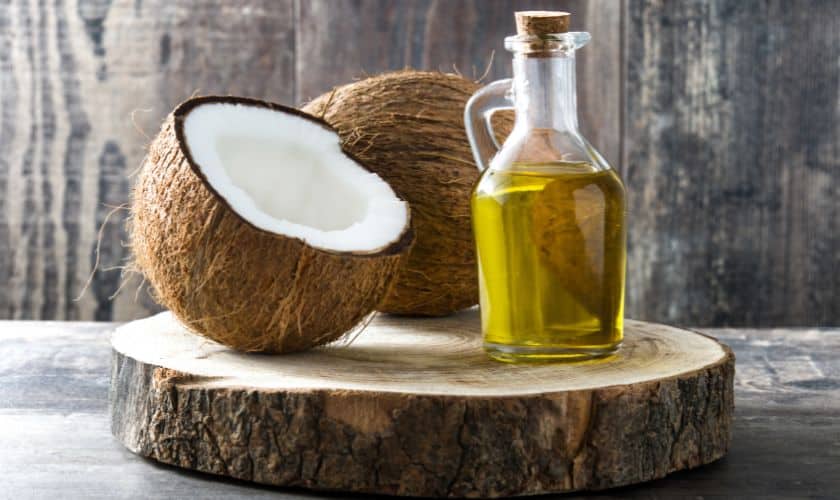
In the pursuit of healthier teeth and gums, many have turned to alternative practices like oil pulling. This ancient Ayurvedic technique involves swishing oil around in your mouth for several minutes each day. Proponents claim a myriad of benefits, from improved oral health to detoxification. But what does the science say? In this comprehensive guide, we’ll delve into the world of oil pulling, exploring its benefits, potential risks, and how to do it correctly.
What is Oil Pulling?
Oil pulling, also known as “kavala” or “gundusha,” originated in ancient India as part of Ayurvedic medicine. The practice involves swishing a tablespoon of oil (typically coconut, sesame, or sunflower oil) around in your mouth for 15 to 20 minutes, then spitting it out.
The Benefits of Oil Pulling
1. Improved Oral Health
Oil pulling proponents claim that it can help eliminate harmful bacteria in the mouth, reduce plaque buildup, and prevent cavities and gingivitis. A study published in the Journal of Clinical and Diagnostic Research found that oil pulling with sesame oil significantly reduced plaque and bacteria in the mouth.
2. Whiter Teeth
Oil pulling enthusiasts often report whiter teeth as a result of the practice. While there’s limited scientific evidence to support this claim, some anecdotal reports suggest that oil pulling may help remove surface stains from teeth.
3. Reduced Bad Breath
By eliminating bacteria and toxins from the mouth, oil pulling may help combat bad breath, also known as halitosis. A study published in the Journal of Ayurveda and Integrative Medicine found that oil pulling was effective in reducing the levels of bacteria that cause bad breath.
4. Potential Detoxification
Some proponents suggest that oil pulling can detoxify the body by drawing out toxins through the mucous membranes in the mouth. While more research is needed in this area, oil pulling may contribute to overall oral health, which is linked to systemic health.
How to Oil Pull Properly
- Choose Your Oil: Opt for high-quality, organic oils such as coconut, sesame, or sunflower oil.
- Start Small: Begin with just 5 minutes of swishing and gradually work your way up to 15-20 minutes.
- Swish, Don’t Gargle: Swish the oil around your mouth gently, pulling it through your teeth and around your gums. Avoid swallowing the oil, as it may contain harmful bacteria.
- Spit, Don’t Swallow: After 15-20 minutes, spit the oil into a trash can or toilet (not the sink, as it may clog pipes), then rinse your mouth with water and brush your teeth as usual.
Potential Risks of Oil Pulling
While oil pulling is generally considered safe, there are some potential risks to be aware of:
- Gagging or Nausea: Some people may find the sensation of swishing oil for an extended period unpleasant and may experience gagging or nausea.
- Aspiration: Swallowing the oil by accident could lead to aspiration pneumonia, although this risk is minimal if proper precautions are taken.
- Dislodging Dental Work: Oil pulling may dislodge dental fillings or other dental work if done too vigorously.
Conclusion
Oil pulling is a traditional practice with purported benefits for oral health and overall well-being. While scientific evidence supporting its efficacy is limited, many people swear by its effects. As with any alternative therapy, it’s essential to consult with your orthodontist or dentist before incorporating oil pulling into your oral care routine. At Spoonhower Orthodontics, we believe in providing comprehensive care to our patients, which may include discussing alternative practices like oil pulling. By understanding the benefits, risks, and proper techniques of oil pulling, you can make an informed decision about whether it’s right for you.