Let's talk about your smile: (330) 896-0600
Beyond Braces: Exploring the Limitations of Adult Orthodontic Treatment

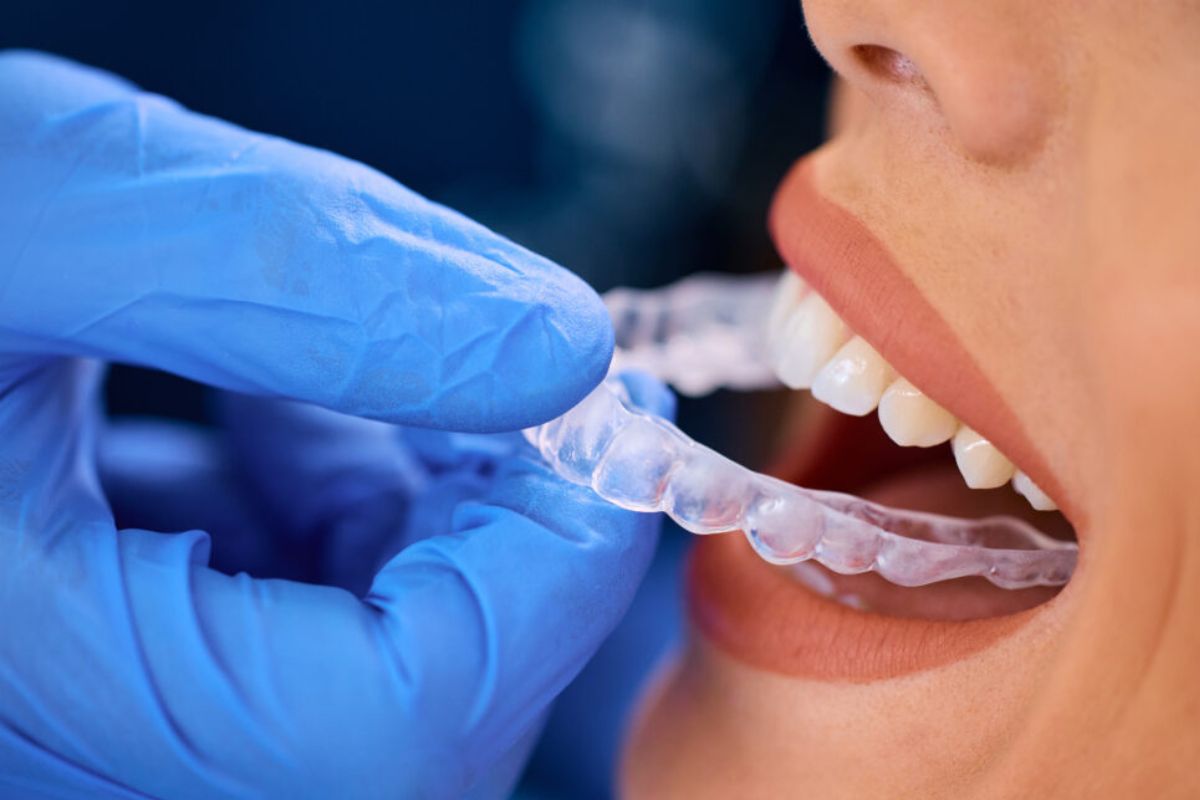
For many adults, achieving a straighter, more aligned smile is a long-held desire. Adult orthodontic treatment offers the opportunity to correct misaligned teeth and improve both aesthetics and oral health. While advancements in technology have made adult orthodontic treatment a more viable option than ever before, there are certain limitations to consider before embarking on this journey.
Understanding the Benefits of Adult Orthodontics
Adult orthodontic treatment can address a variety of concerns, including:
- Crowded teeth: Overcrowding can lead to difficulty cleaning teeth effectively, increasing the risk of cavities and gum disease.
- Gapped teeth: Gaps can affect speech and self-esteem, and can also trap food particles.
- Malocclusions: Incorrect bite patterns (overbite, underbite, crossbite) can cause jaw pain, difficulty chewing, and uneven tooth wear.
Limitations to Consider When Choosing Adult Orthodontics
While adult orthodontic treatment can be highly beneficial, it’s important to be aware of some limitations:
- Bone Growth: Adults have stopped growing, which can limit the amount of tooth movement compared to children whose jaws are still developing.
- Treatment Time: Adult orthodontic treatment may take longer than treatment for children due to denser bone structure and slower tooth movement. Treatment times can vary depending on the complexity of the case.
- Gum Health: Existing gum disease or periodontal problems can complicate orthodontic treatment. A consultation with an orthodontist is crucial to assess gum health before proceeding.
- Root Resorption: In some cases, tooth movement during orthodontic treatment can lead to a slight shortening of the tooth roots. However, advancements in techniques and careful monitoring by an orthodontist can help minimize this risk.
Consulting with an Orthodontist is Key
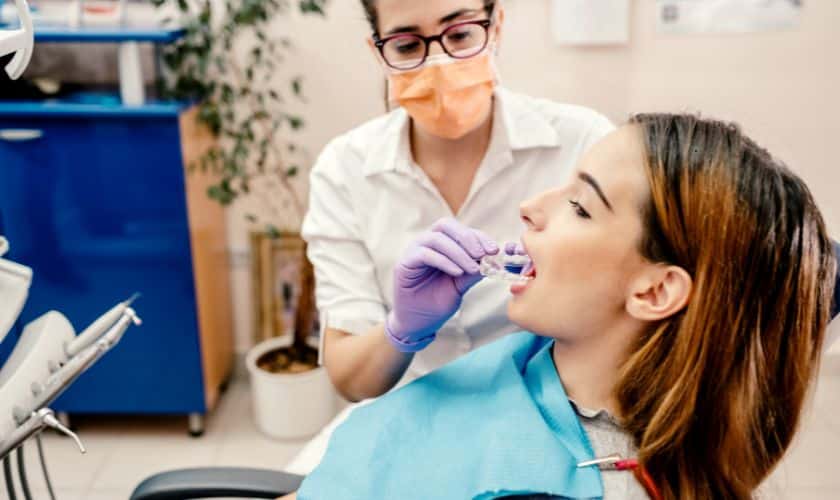
If you’re considering adult orthodontic treatment, it’s essential to schedule a consultation with a qualified orthodontist. An orthodontist possesses specialized training and expertise in tooth movement and bite correction. During the consultation, the orthodontist will:
- Evaluate your oral health and individual needs.
- Discuss your goals for treatment.
- Explain the various treatment options available, including traditional braces, clear aligners, and other technologies.
- Outline the potential limitations and risks associated with your specific case.
- Provide a personalized treatment plan and estimated timeline.
By openly discussing the limitations and benefits with your orthodontist, you can make an informed decision about whether adult orthodontic treatment is the right choice for you.