Let's talk about your smile: (330) 896-0600
Exploring the Various Types of Early Orthodontic Treatments for Children

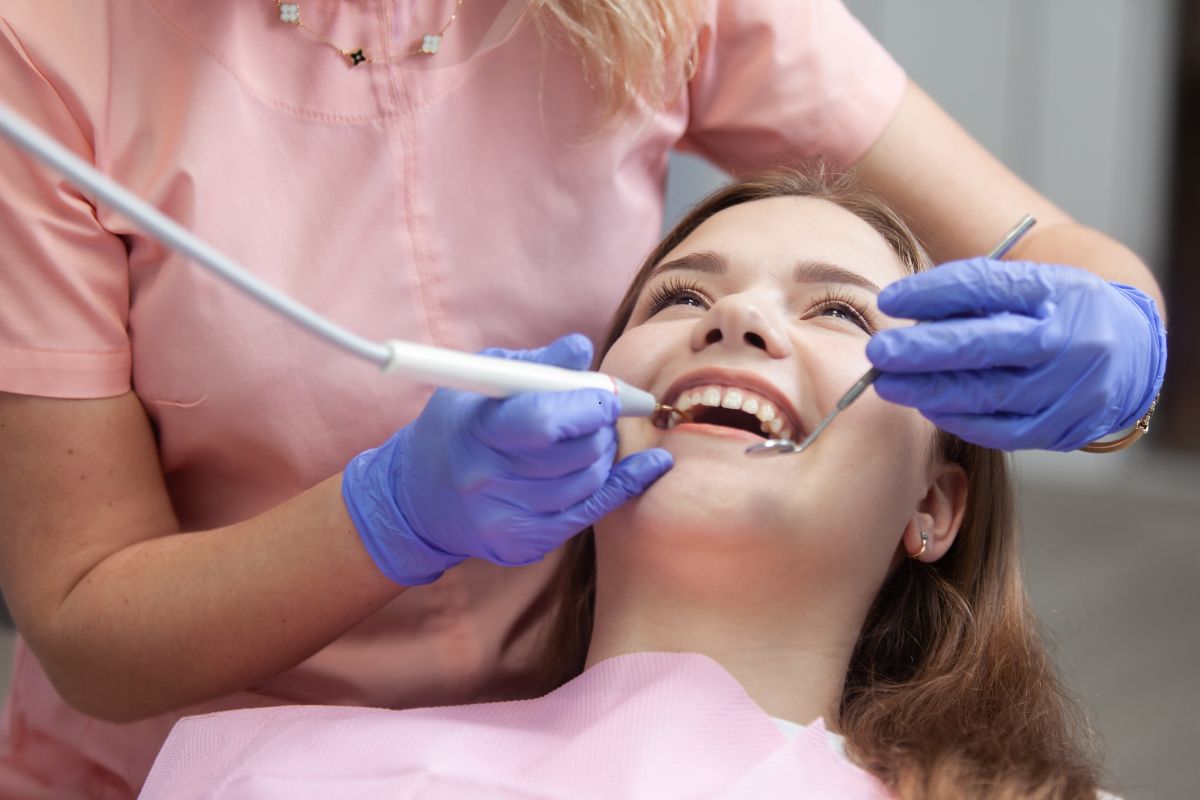
When it comes to children’s dental health, early orthodontic treatment can play a crucial role. These treatments are not just about giving your child a perfect smile, but also about addressing underlying dental issues that may cause problems as they grow. While many people think orthodontics is just for teenagers, the truth is, early intervention can prevent more serious problems from developing later. In this blog, we will explore the different types of early orthodontic treatments for children, how they work, and why they are important.
Why is Early Orthodontic Treatment Important?
Early orthodontic treatment can help correct issues like overcrowding, crossbites, overbites, and other misalignments that might cause discomfort or lead to more serious dental problems in the future. By starting treatment early, orthodontists can take advantage of a child’s growth to gently guide their jaw and teeth into proper alignment. This is easier to do when the bones are still growing, and it may lead to shorter treatment times and more effective results.
Signs Your Child May Need Early Orthodontic Treatment
Before we dive into the different types of treatments, it’s important to know what signs to look out for that might indicate a need for early orthodontic intervention. Some of the common indicators include:
- Early loss of baby teeth (before age 5) or late loss (after age 13)
- Difficulty chewing or biting
- Crowded or misaligned teeth
- Thumb sucking beyond age 4
- Speech difficulties
- Breathing through the mouth instead of the nose
If your child is experiencing any of these issues, it might be a good idea to consult an orthodontist to see if early treatment is necessary.
Types of Early Orthodontic Treatments
There are several types of early orthodontic treatments that can help address different dental problems. Let’s take a closer look at some of the most common options.
1. Space Maintainers
When a child loses a baby tooth too early, space maintainers can be used to keep the gap open until the permanent tooth grows in. This is important because if the space is not maintained, the surrounding teeth may shift into the gap, leading to misalignment. Space maintainers can be either removable or fixed. They are custom-made devices that help ensure there is enough room for the new tooth to come in properly.
2. Expanders
Expanders, or palatal expanders, are devices used to widen the upper jaw. Sometimes, a child’s jaw may be too narrow, which can lead to crowded teeth or a crossbite (where the upper teeth sit inside the lower teeth). An expander gradually widens the upper jaw, creating more space for teeth to grow in properly. This treatment is more effective when done at a young age because the bones are still developing.
3. Braces
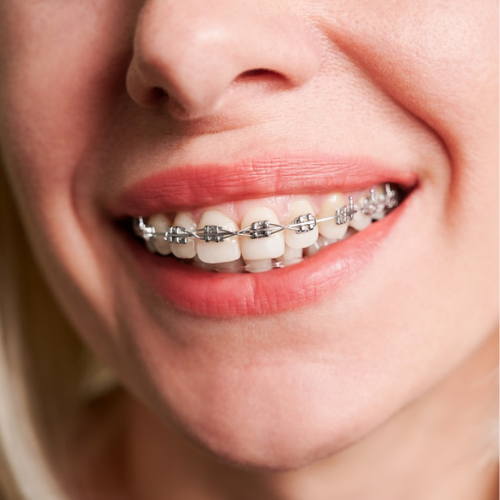
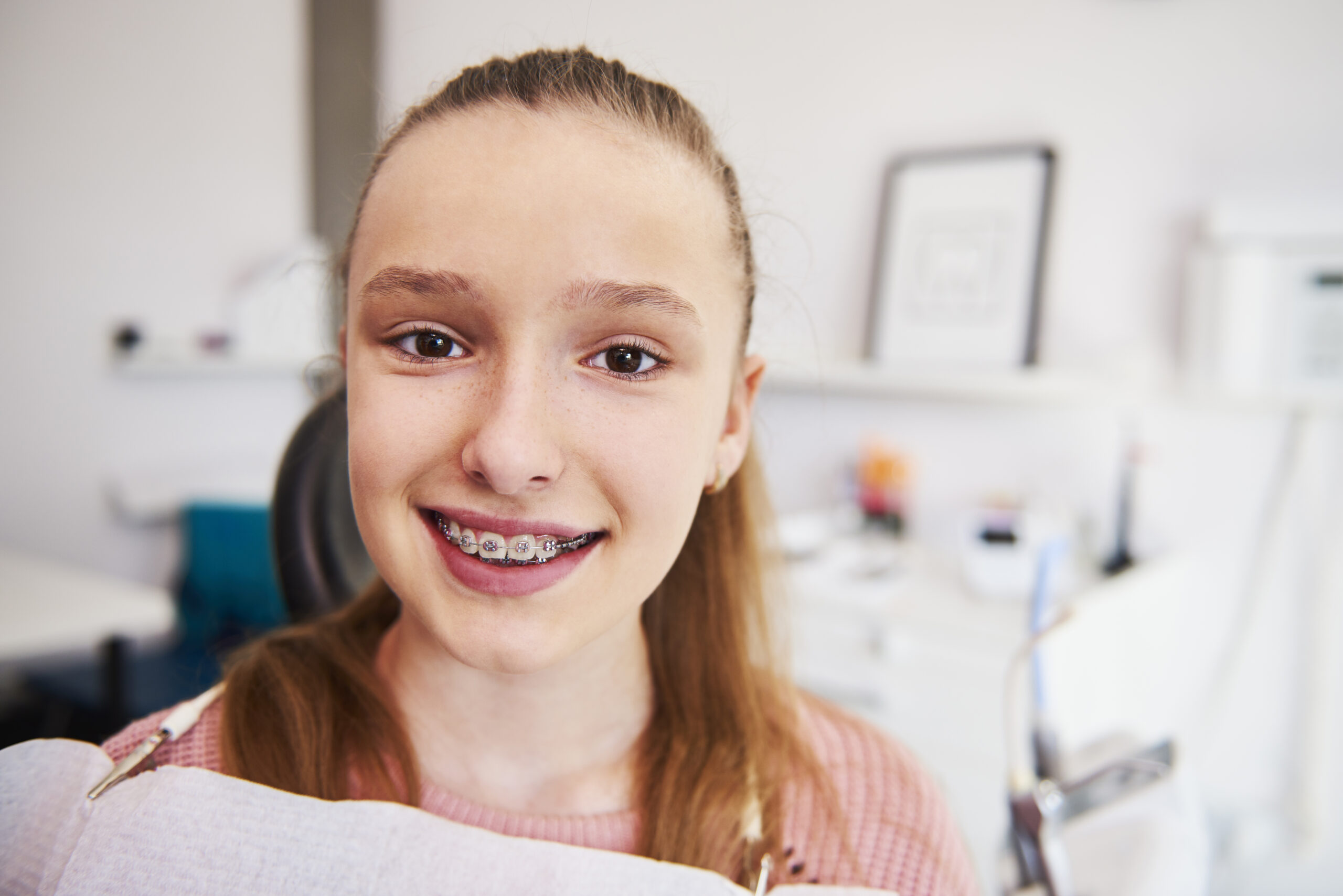
Although braces are often associated with teenagers, they can be a part of early orthodontic treatment too. Early braces are sometimes used to address specific issues, such as correcting the position of a few teeth, aligning a child’s bite, or straightening front teeth that are protruding. By starting early, it may be possible to prevent the need for full braces later on or at least reduce the length of time they are needed.
4. Retainers
Retainers are typically used after braces to maintain the position of teeth, but in early orthodontic treatment, they can also be used to address minor issues. For instance, if a child has slightly misaligned teeth, a retainer can be worn to guide them into the correct position. Removable retainers can be used during early treatment to help maintain or gently move the teeth without the need for full braces.
5. Headgear
Headgear is a device that is sometimes used to correct more severe alignment problems, such as an overbite or underbite. It helps guide the growth of the jaw and teeth. Unlike braces, headgear is worn outside of the mouth, usually at night or for a few hours each day. While it may look intimidating, headgear can be an effective tool for correcting certain types of misalignments, especially when used during a child’s growth phase.
6. Partial Braces
Partial braces, also known as Phase 1 braces, are used to address specific dental issues in children who still have baby teeth. They focus on correcting one or two specific problems, such as rotating a tooth or closing a gap. These braces are usually worn for a shorter period, and they can prevent more complex orthodontic issues from developing later.
How Early Orthodontic Treatments Benefit Your Child
Early orthodontic treatment offers numerous benefits. By starting treatment while your child’s jaw and teeth are still developing, orthodontists can address issues that might be more difficult to fix later. Some of the benefits include:
- Preventing More Serious Issues: By addressing dental problems early, more serious complications like severe crowding, misaligned jaws, or improper bites can be avoided.
- Better Oral Health: Properly aligned teeth are easier to clean, which reduces the risk of cavities and gum disease.
- Improved Self-Confidence: Correcting dental issues early can help children feel more confident about their appearance and avoid potential self-esteem issues related to their smile.
- Guiding Jaw Growth: Treatments like expanders can help guide the jaw’s growth, ensuring that it is properly aligned as the child grows.
What to Expect During the Treatment Process
If your child needs early orthodontic treatment, the process will start with a consultation. During this visit, the orthodontist will examine your child’s mouth, take X-rays, and discuss any concerns you might have. Based on this examination, they will create a treatment plan tailored to your child’s specific needs. The length and type of treatment will vary depending on the issues being addressed, but the goal is always to achieve the best possible outcome with the least amount of discomfort.
Conclusion
Early orthodontic treatments can make a significant difference in your child’s dental health, both now and in the future. By addressing issues early on, it is possible to prevent more severe problems from developing, which can save time, money, and discomfort in the long run. If you think your child might benefit from early orthodontic treatment, consider scheduling a consultation with an orthodontist. They can assess your child’s needs and recommend the best course of action to ensure a healthy, beautiful smile for years to come.