Let's talk about your smile: (330) 896-0600
Common Invisalign Side Effects and How to Handle Them


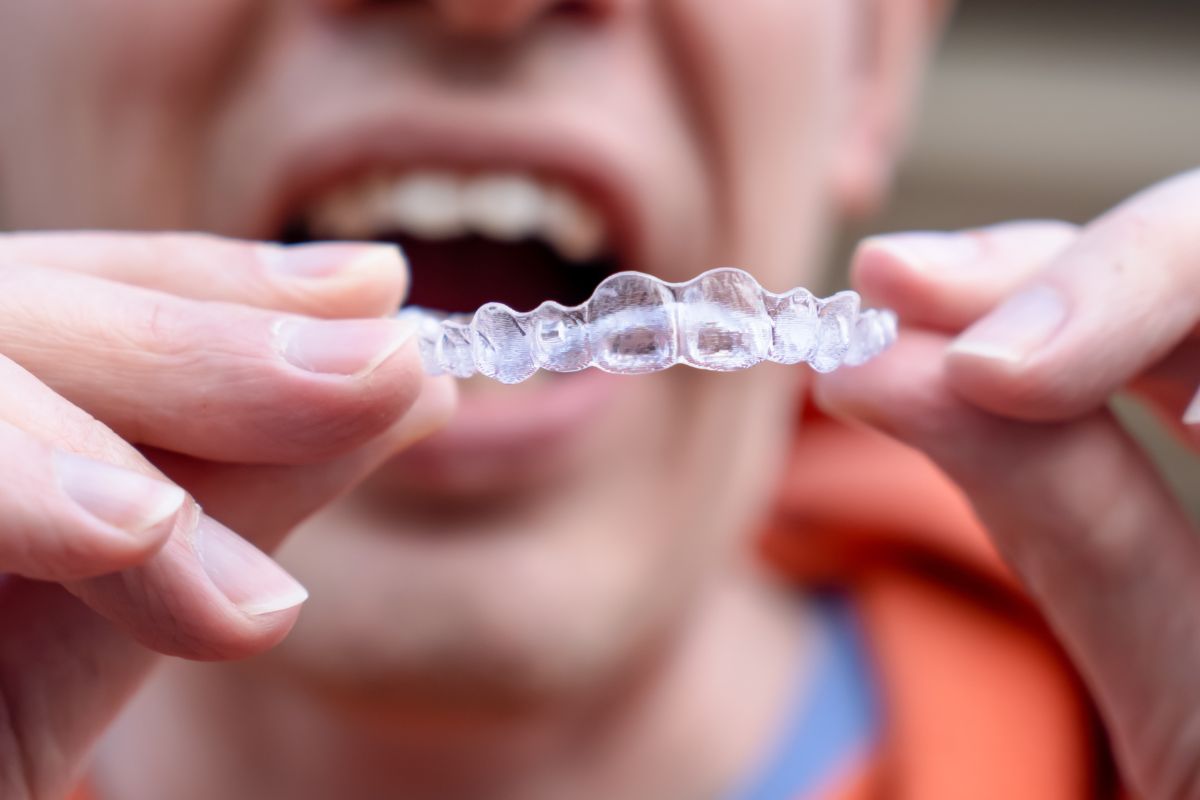
Invisalign has become a popular choice for those looking to straighten their teeth discreetly and comfortably. With its clear aligners, Invisalign offers a modern alternative to traditional metal braces, but like any orthodontic treatment, it’s important to understand what to expect during the process. While Invisalign is generally a great option for many people, there are some side effects that might occur along the way.
In this blog, we’ll discuss the common side effects associated with Invisalign treatment and provide helpful tips on how to handle them, so you can enjoy a smooth and successful orthodontic journey.
1. Initial Discomfort and Soreness
When you first start wearing your Invisalign aligners, it’s common to experience some discomfort. The aligners apply gentle pressure to your teeth to gradually move them into the desired position, which can lead to soreness, especially during the first few days of wearing each new set of aligners.
How to Handle It:
The good news is that the discomfort usually fades after a few days. To ease the soreness, you can take over-the-counter pain relievers like ibuprofen or acetaminophen. It’s also a good idea to avoid eating hard or chewy foods that could aggravate your teeth while they adjust. If the pain continues or worsens, consult your orthodontist to ensure everything progresses as expected.
2. Mouth Sores or Irritation
Invisalign aligners are made of smooth plastic, but the edges can sometimes cause irritation to the soft tissues in your mouth, especially during the first few days of wearing them. You may notice soreness on your gums, the inside of your lips, or the inside of your cheeks. This can be a bit uncomfortable, but it’s a normal part of adjusting to the aligners.
How to Handle It:
If you’re experiencing mouth irritation, try using orthodontic wax. This wax can be placed over the sharp edges of the aligners to provide a smooth surface and prevent further irritation. You can also rinse your mouth with warm saltwater to reduce inflammation. If the irritation persists, your orthodontist may be able to make adjustments to your aligners for added comfort.
3. Speech Changes
Some people notice a slight lisp or change in their speech when they first start wearing Invisalign aligners. This happens because the aligners sit on the roof of your mouth and may slightly alter the way your tongue moves when you speak. This is especially common for people who are new to wearing aligners.
How to Handle It:
The good news is that any changes to your speech are usually temporary. With time and practice, you’ll become accustomed to speaking with the aligners in place. To help speed up the process, try reading out loud or speaking more slowly until you adjust. In most cases, the lisp or speech change will disappear after a few days or weeks.
4. Difficulty Eating and Drinking
At first, wearing Invisalign aligners may make eating and drinking feel a little awkward. Since you must remove your aligners every time you eat or drink something other than water, you’ll need to get used to the extra steps involved. This can be a bit inconvenient, especially for those with busy schedules.
How to Handle It:
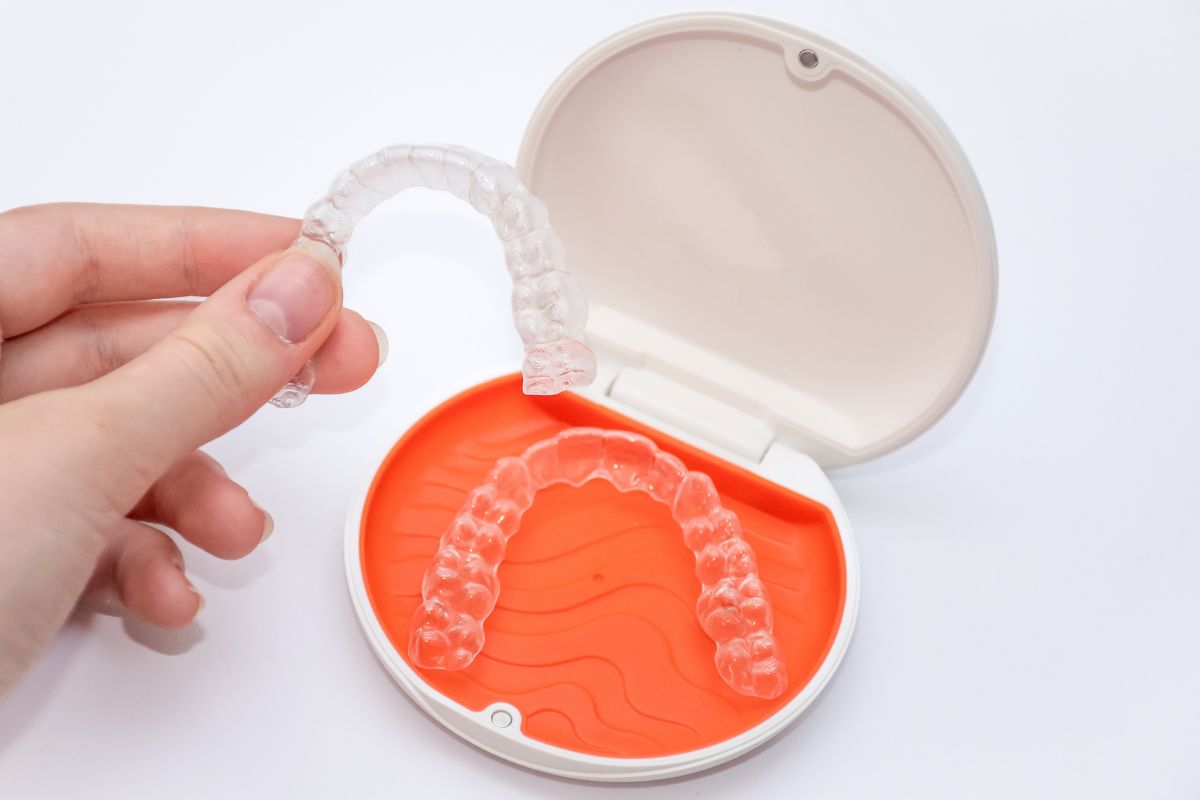
To make eating easier, try to plan your meals and snacks in advance. Make sure you brush your teeth and clean your aligners after eating to maintain oral hygiene. You should also store your aligners in a clean case when you remove them, so they don’t get damaged or lost. As time goes on, you’ll get into a routine and the process will become second nature.
5. Dry Mouth or Excessive Saliva Production
Some people experience dry mouth or an increase in saliva production when wearing Invisalign. This is due to the fact that the aligners can slightly affect the way your mouth functions. For those who experience excessive saliva, it’s usually a temporary side effect as your body adjusts to the aligners.
How to Handle It:
To manage dry mouth, drink plenty of water throughout the day. Keeping your mouth hydrated can help reduce discomfort and prevent other issues like bad breath. If you’re experiencing excessive saliva production, try chewing sugar-free gum to help stimulate swallowing and reduce the feeling of excess saliva.
6. Aligner Fit Issues
It’s possible that your aligners may not fit perfectly at certain stages of your treatment, especially if they feel too tight or loose. This can happen when your teeth shift or the aligners aren’t fitting as intended. If you notice that your aligners don’t fit properly, it’s essential to address the issue promptly.
How to Handle It:
If you’re having trouble with the fit of your aligners, contact your orthodontist. They may need to adjust your aligners or check for any underlying issues. It’s also a good idea to wear your aligners as directed—keeping them in for at least 20 to 22 hours a day will help ensure they fit correctly over time. If you miss wearing your aligners for an extended period, you may notice that they no longer fit properly.
7. Difficulty Keeping Aligners Clean
One key factor in Invisalign treatment is maintaining clean aligners. If you don’t clean your aligners properly, they can become discolored or develop odors. This can lead to discomfort or even affect your oral health.
How to Handle It:
Cleaning your aligners is simple. Use a soft toothbrush and lukewarm water each time you gently remove them. Special Invisalign cleaning crystals or wipes are also available to keep your aligners fresh and free from bacteria. Be sure to avoid using hot water, as it can warp the aligners.
8. Discomfort from Aligners Shifting Teeth
As Invisalign gradually moves your teeth, you might experience some discomfort as your teeth adjust. This is a sign that your treatment is working, but can still be uncomfortable, especially after switching to a new set of aligners.
How to Handle It:
While this discomfort is temporary, it is important to follow your orthodontist’s instructions closely. Changing your aligners on schedule is crucial to ensuring your treatment progresses smoothly. If you find the discomfort particularly bothersome, you can speak to your orthodontist about possible adjustments to your treatment plan.
Final Thoughts
While Invisalign offers many advantages, it’s essential to be aware of the potential side effects that may occur. Most of these side effects are temporary and can be managed with a little patience and care. By following the tips outlined in this blog, you can ensure a smoother and more comfortable Invisalign experience.
Remember, if you ever have concerns or feel that something isn’t right, always reach out to your orthodontist for guidance. Invisalign is an effective way to straighten teeth with minimal hassle, and understanding the potential side effects is the first step toward a successful treatment journey.
If you’re ready to begin your Invisalign journey, consult your orthodontist today to learn more about how clear aligners can help you achieve a beautiful, confident smile.