Let's talk about your smile: (330) 896-0600
Why Is My Invisalign Aligner Not Fitting Properly?

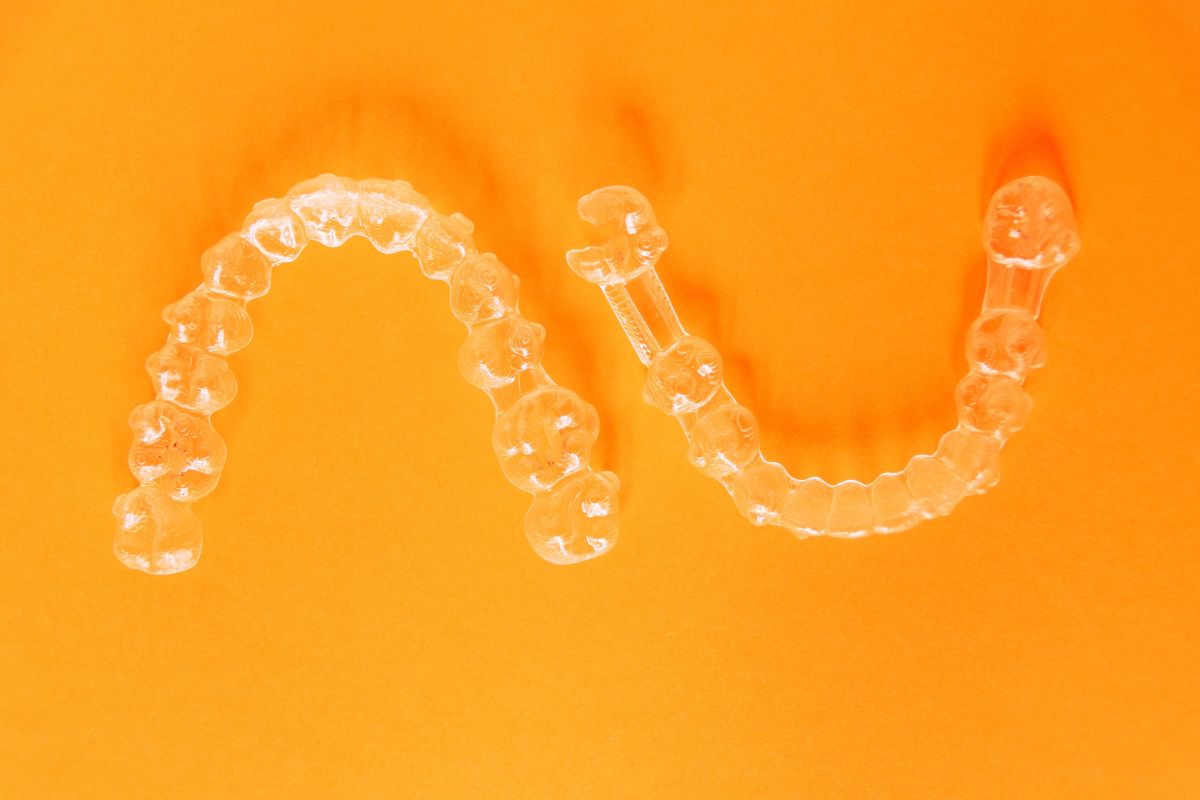
You put in a new aligner, and it just doesn’t feel right; maybe it’s loose in some spots, tight in others, or won’t fully snap into place. It’s an unsettling feeling, especially when you’re trying to stay on track with your clear aligner treatment. The good news is this happens more often than you’d think, and it’s rarely a sign that something has gone seriously wrong. At Spoonhower Orthodontics, our patients bring this up fairly regularly, and there are a handful of straightforward reasons behind it.
It Might Just Be Normal Pressure
When you switch to a new aligner in the series, it’s designed to be slightly different from your teeth’s current position. That’s the whole point, since the aligner applies gentle pressure to guide your teeth toward the next step in your treatment plan. In the first day or two of a new tray, feeling some tightness or seeing gaps between the aligner and certain teeth is completely expected. As your teeth respond to the pressure, the fit should improve within 24 to 48 hours.
Other Reasons an Aligner Might Not Seat Correctly
- Not wearing it enough: Clear aligners are meant to be worn close to full-time, and inconsistent wear can slow down or stall the movement they’re designed to create, leading to a poor fit on the next tray.
- Skipping ahead in the series: Moving to a new aligner before your teeth have caught up with the previous one often causes a noticeably loose or uneven fit.
- Attachments coming loose: Many aligner treatments use small tooth-colored attachments to help the aligner grip properly. If one comes off, that aligner may not seat the way it’s supposed to.
- Buildup of plaque or tartar: A layer of buildup on the teeth can prevent the aligner from sitting flush, especially along the gumline.
- A warped or damaged tray: Exposure to heat, like hot water or a hot car, can distort the plastic and change how it fits.
When to Reach Out to Your Orthodontist
If an aligner still isn’t seating properly after a couple of days of consistent wear, it’s worth getting it checked rather than pushing through discomfort or skipping it altogether. Continuing to wear an aligner that truly isn’t fitting can throw off the sequence of your entire orthodontic treatment plan. Don’t hesitate to contact us if something feels off, since a quick check-in can usually get you back on track fast.
Simple Habits That Help Aligners Fit Better
- Wear each aligner for the full recommended hours per day, removing it only to eat, drink, and brush
- Use chewies to help seat new aligners fully against your teeth
- Brush and floss before placing each aligner so no buildup gets trapped underneath
- Never place an aligner in hot water or leave it in direct sunlight or a hot car
Keep Your Aligner Treatment on Track With Us
A clear aligner that doesn’t feel quite right isn’t something to just push through or ignore. Whether it’s normal adjustment pressure or something that needs a quick fix, our team is here to make sure your treatment stays exactly where it should be. Serving patients throughout Green, OH, we’re always ready to help you keep your smile progressing smoothly. Request an appointment today and let’s get your aligners fitting the way they should.
Frequently Asked Questions
Is it normal for a new aligner to feel tight at first?
Yes, mild tightness for the first day or two of a new tray is expected and usually eases as your teeth respond to the pressure.
What should I do if my aligner won’t fully seat?
Try wearing it consistently for 24 to 48 hours and using a chewie to help it settle. If it still doesn’t fit, contact your orthodontist.
Can skipping days of wear affect how my aligners fit?
Yes, inconsistent wear is one of the most common reasons an aligner starts to fit poorly, since your teeth haven’t moved as expected.
Why did my aligner suddenly stop fitting after it fit fine before?
This is often caused by a loose attachment, heat damage to the tray, or buildup on the teeth preventing a flush fit.