Let's talk about your smile: (330) 896-0600
Orthodontic Tips for Teenagers: How to Care for Braces or Aligners


Getting braces or aligners is a big step for any teenager. It marks the beginning of a journey toward a healthier, more confident smile. But that journey takes some work—and that includes daily care, smart habits, and guidance from a trusted orthodontist. If you’re a teen (or the parent of one), this blog will help you keep that smile on track.
Why Proper Care Matters
Braces and aligners don’t just straighten teeth. They improve bite, prevent long-term dental issues, and build confidence. But without the right care, they can also cause delays, discomfort, or even damage. That’s why knowing what to do each day makes a big difference in how successful—and smooth—the treatment is.
Daily Cleaning Tips
Braces
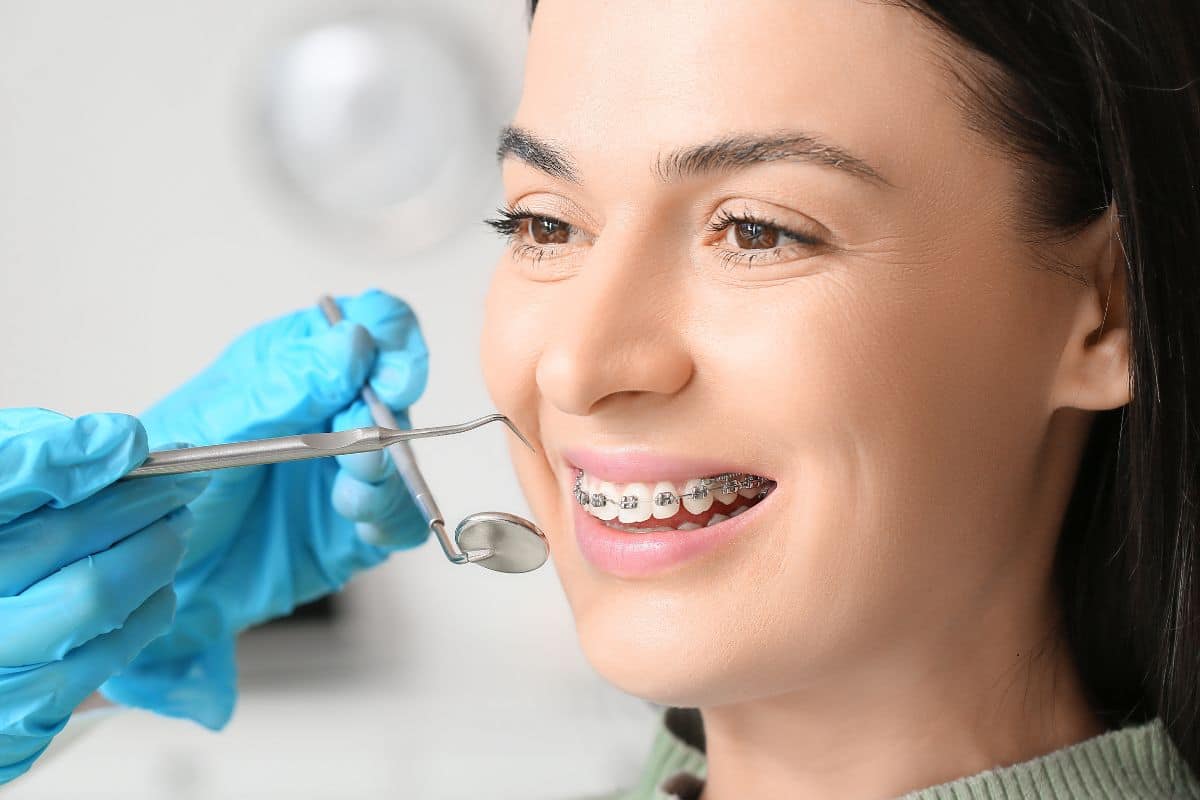
Braces come with brackets and wires that easily trap food. Here’s how teens can keep them clean:
- Brush after every meal: Use a soft-bristled toothbrush and fluoride toothpaste. Focus on the gumline and around each bracket.
- Use an interdental brush: These tiny tools fit between the wires and help remove plaque and food debris.
- Floss daily: Floss threaders or orthodontic floss picks make it easier to reach between teeth.
- Rinse with water or mouthwash: This helps flush out anything brushing might miss.
Aligners
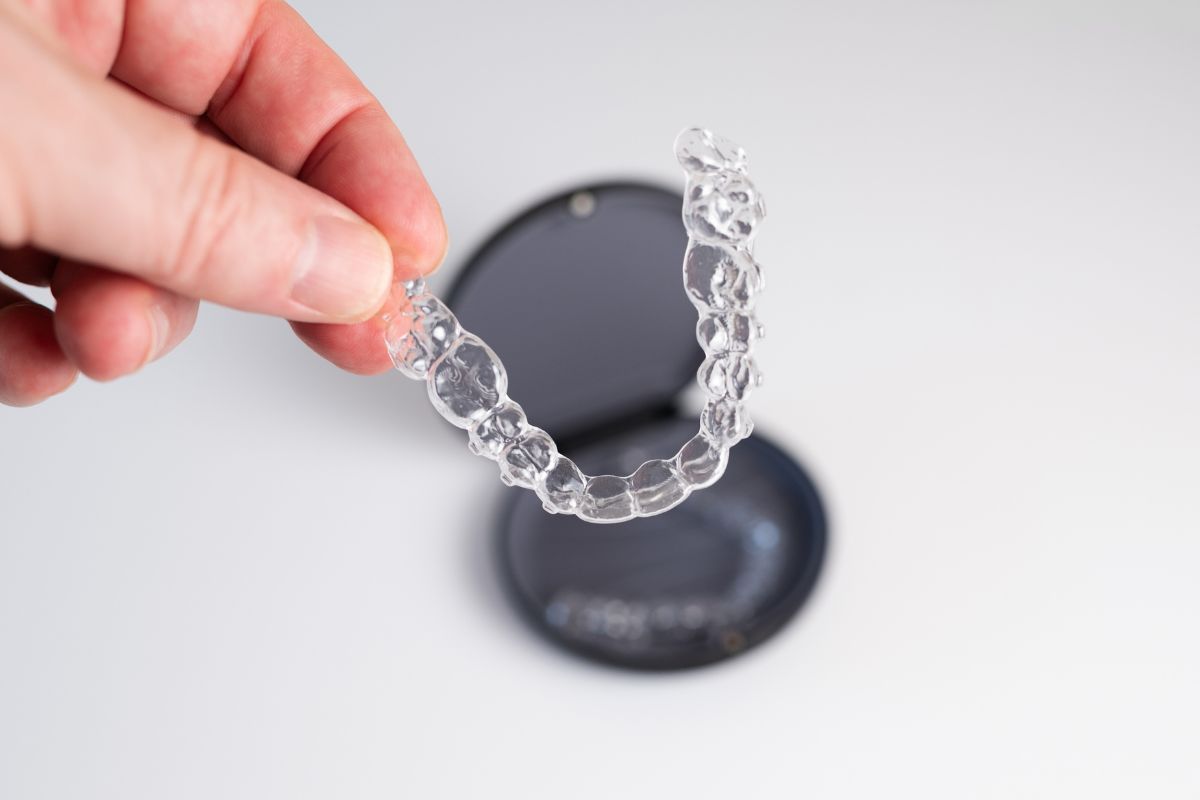
Aligners are removable, which makes cleaning simpler—but it still requires care.
- Remove aligners before eating or drinking anything other than water.
- Brush your teeth before putting them back in.
- Clean aligners daily using a soft toothbrush and clear soap. Avoid hot water—it can warp the plastic.
Eating the Right Way
Teenagers love snacks, but certain foods can be a problem for braces.
- Avoid sticky, chewy, and hard foods: Caramel, gum, popcorn, and nuts can bend wires or break brackets.
- Cut up crunchy foods: Apples and carrots are fine—but slice them first.
- Drink water often: It helps rinse your mouth and keeps aligners fresh when worn.
Aligner wearers also need to stick to regular wear time, which means 20–22 hours a day. Skipping time can delay progress.
Managing Discomfort
Mild soreness is normal, especially after an adjustment or switching aligner trays. Try these simple tips:
- Use orthodontic wax to cover sharp edges or poking wires.
- Eat soft foods during the first few days of a new adjustment.
- Apply cold compresses or take over-the-counter pain relief if needed.
If a wire pops out or a bracket loosens, contact your orthodontist. Don’t try to fix it yourself.
Staying on Schedule
Consistency is key with braces and aligners. Teens should:
- Attend every checkup with their orthodontic provider.
- Wear rubber bands or retainers exactly as instructed.
- Avoid playing with wires or aligners, which can lead to damage.
For teens involved in sports, a custom-fit mouthguard is highly recommended to protect both teeth and appliances.
Protecting That Smile After Treatment
When the braces come off or the last aligner tray is done, it’s not quite over. Wearing retainers is the final step—and one of the most important. It helps hold the new alignment in place as teeth settle.
- Wear your retainer nightly or as instructed
- Keep it clean with gentle brushing and cool water
- Don’t skip days—even one missed night can cause shifting
Conclusion
Caring for braces or aligners might seem like a lot at first, but it quickly becomes routine. The more consistent teens are, the better and faster their results will be. Clean habits, regular checkups, and avoiding common mistakes are all part of making orthodontic care a success.
Whether it’s brushing after lunch or remembering to wear a retainer, every small step adds up to a healthier smile that lasts.