Let's talk about your smile: (330) 896-0600
Orthodontics and Facial Harmony: Addressing Asymmetry with Braces


Looking in the mirror, you might notice that your face isn’t perfectly symmetrical. It’s a common human trait – in fact, perfectly symmetrical faces are pretty rare. However, when facial asymmetry is more pronounced, it can sometimes affect self-confidence and even oral function. If you’re considering orthodontic treatment, you might wonder: Can braces fix an asymmetrical face?
The answer is nuanced and depends mainly on the cause and severity of the facial asymmetry. While braces primarily focus on aligning teeth, they can influence the facial symmetry, particularly in cases where the asymmetry stems from dental or jaw alignment issues.
Can Braces Fix an Asymmetrical Face?
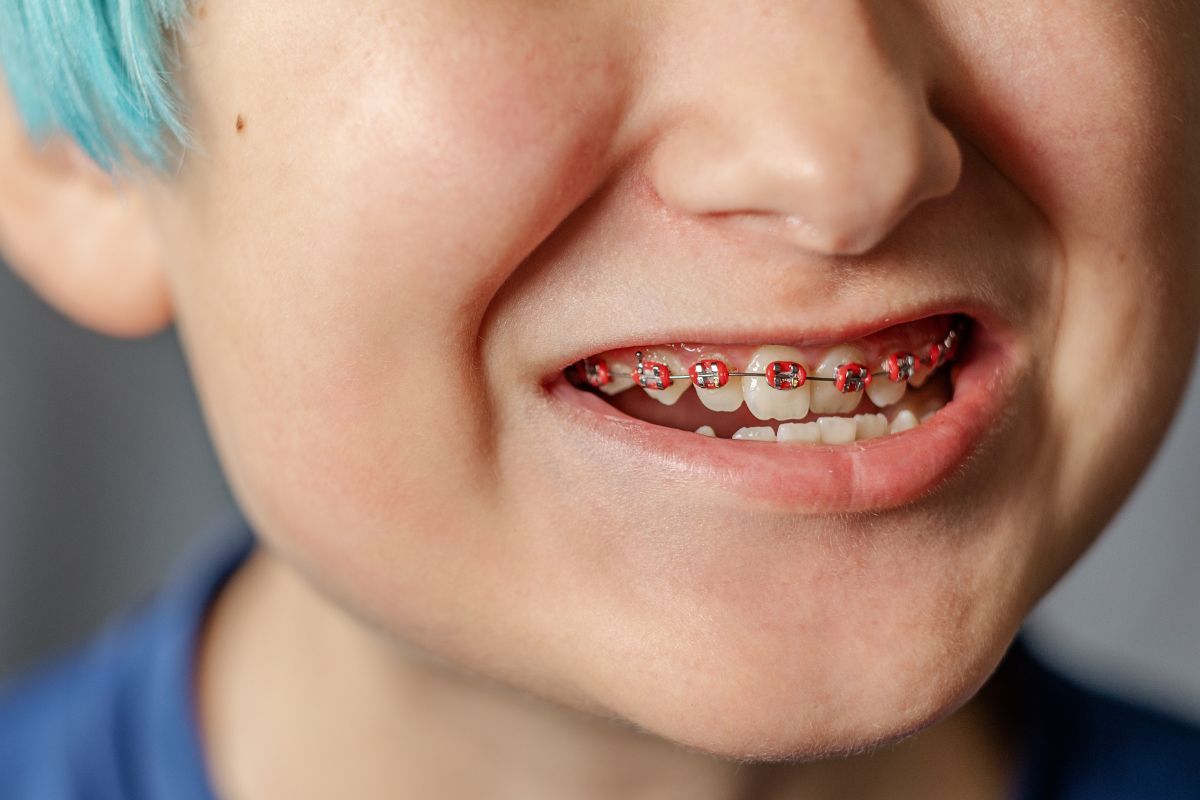
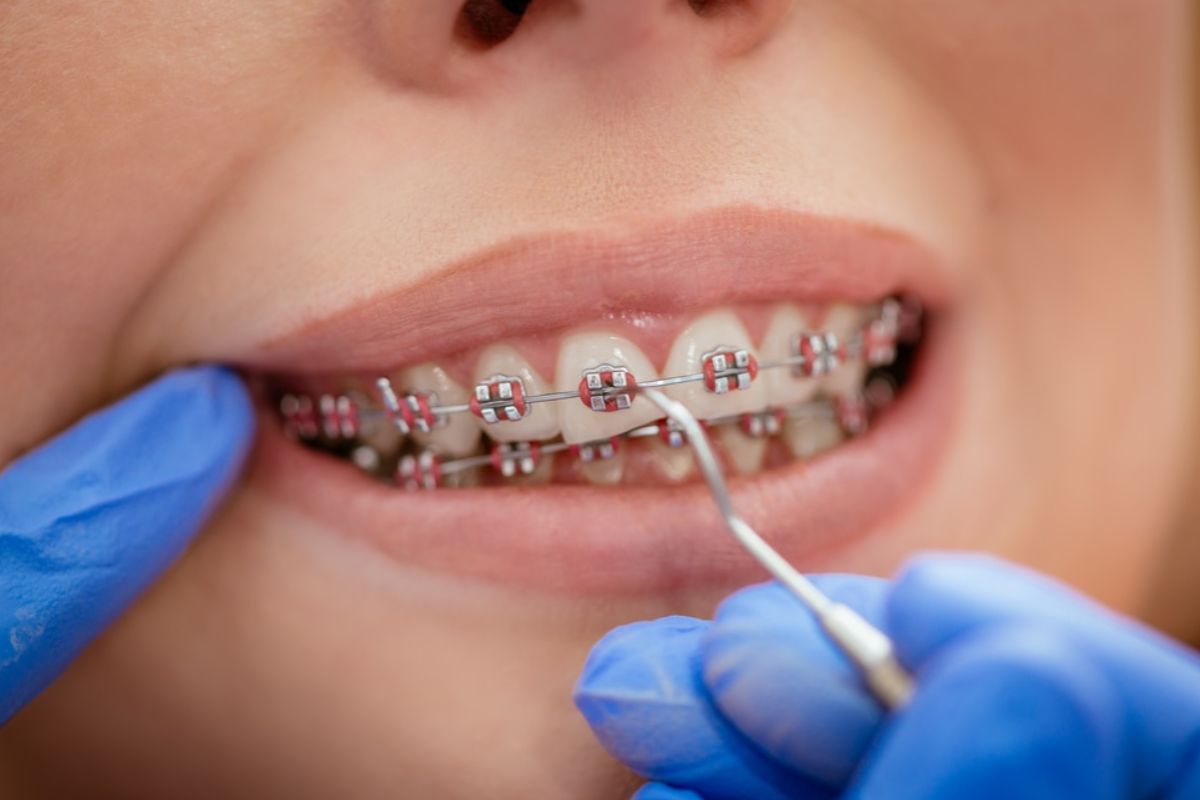
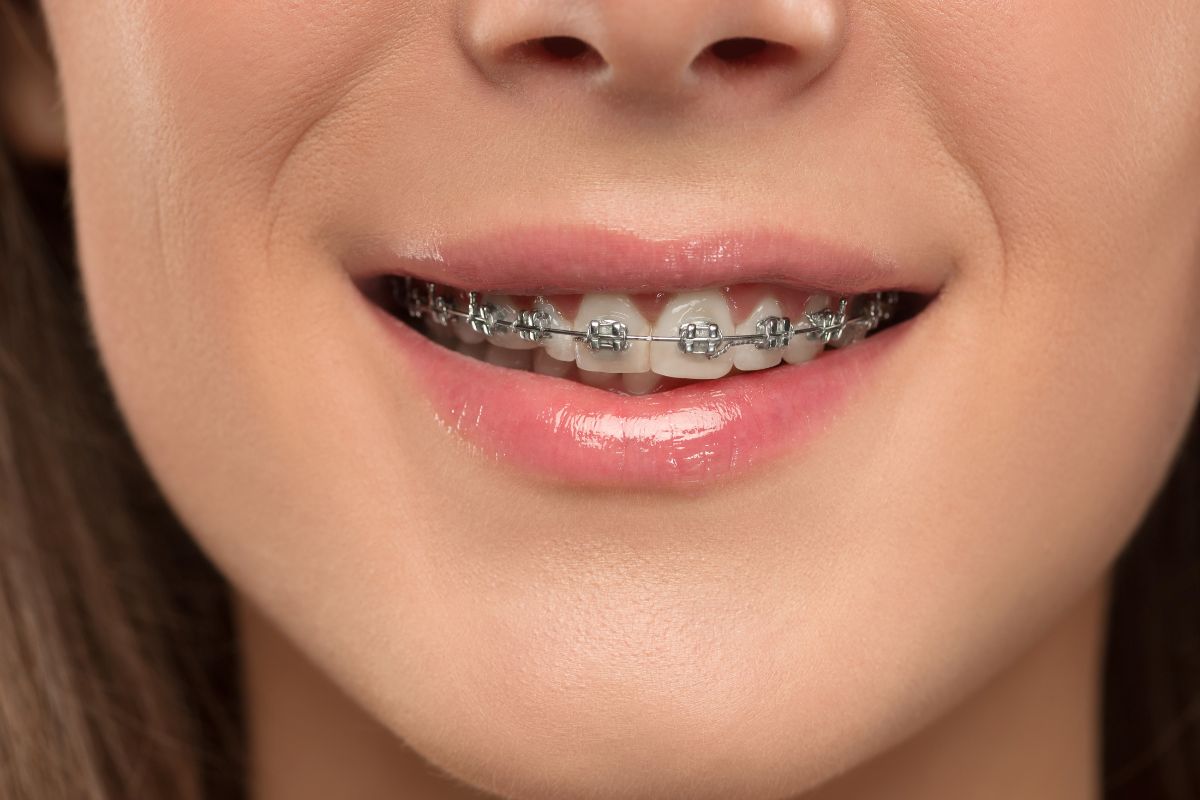
Braces apply consistent pressure to your teeth, gradually shifting them into their correct positions. This realignment of the dental arches can have a positive ripple effect on the surrounding facial structures, leading to improved symmetry in certain situations:
- Correcting Bite Issues: Malocclusions like overbite, underbite, crossbite, and open bite can contribute to facial asymmetry. For instance, an underbite (where the lower jaw protrudes) can make the lower face appear more prominent. By correcting these bite problems, braces can help bring the upper and lower jaws into a more harmonious relationship, thus improving facial balance.
- Aligning Teeth: Severely crooked or crowded teeth can also create an asymmetrical appearance. Straightening these teeth can lead to a more balanced smile, which can positively influence the perceived symmetry of the lips and cheeks.
- Guiding Jaw Growth (in younger patients): Certain orthodontic appliances, like palatal expanders or functional appliances, can be used with braces to guide jaw growth and potentially address some forms of asymmetry in children and adolescents whose jaws are still developing.
When Braces Alone Might Not Be Enough?
It’s essential to understand braces’ limitations regarding facial asymmetry. If the asymmetry is primarily due to skeletal discrepancies—meaning the actual size or position of the jawbones is significantly different—then braces alone may not be sufficient to achieve substantial changes in facial symmetry.
Consider these scenarios:
- Significant Jaw Size Discrepancies: If one jaw is considerably larger or smaller than the other, braces can align the teeth within each jaw, but they cannot alter the underlying bone structure.
- Uneven Jaw Growth: In cases where the upper and lower jaws have grown at different rates or directions, leading to noticeable asymmetry, braces might only be able to camouflage the issue by aligning the teeth.
- Other Underlying Conditions: Facial asymmetry can sometimes be caused by congenital conditions, trauma, or medical conditions like Bell’s palsy. In these cases, the primary focus of treatment would be addressing the underlying issue, and braces might play a supportive role in dental alignment.
The Role of Orthognathic Surgery:
For significant facial asymmetry caused by skeletal discrepancies, a combined approach of orthodontics (braces) and orthognathic surgery (jaw surgery) is often the most effective solution.
- Braces Before Surgery: Braces are typically worn before jaw surgery to align the teeth in each jaw arch and ensure they will fit together correctly after the surgical repositioning of the jaws.
- Jaw Surgery involves carefully repositioning the upper and/or lower jawbones to improve facial balance and the bite.
- Braces After Surgery: Braces are usually continued to fine-tune the bite and ensure optimal dental alignment in the new jaw positions.
Determining the Best Course of Action:
The first step in addressing facial asymmetry is a comprehensive evaluation by an experienced orthodontist. They will:
- Conduct a thorough clinical examination.
- Take detailed photographs and X-rays of your face and teeth.
- Analyze your bite and jaw alignment.
- Discuss your concerns and treatment goals.
Based on this assessment, the orthodontist can determine the likely cause of your facial asymmetry and recommend the most appropriate treatment plan. For mild dental-related asymmetry, braces alone might be sufficient. For more significant skeletal issues, a combined orthodontic and surgical approach may be necessary to achieve the desired level of facial harmony.
Conclusion
In conclusion, while braces are primarily designed to straighten teeth, they can positively impact facial symmetry, especially when the asymmetry is linked to dental or mild jaw alignment problems. However, for significant skeletal discrepancies, orthognathic surgery in conjunction with braces is often the most effective way to achieve substantial and lasting improvements in facial balance. Consulting with an orthodontist is the crucial first step in understanding your situation and exploring the best treatment options for your unique needs.