Let's talk about your smile: (330) 896-0600
Why Are My Teeth Still Crooked After Getting Braces?

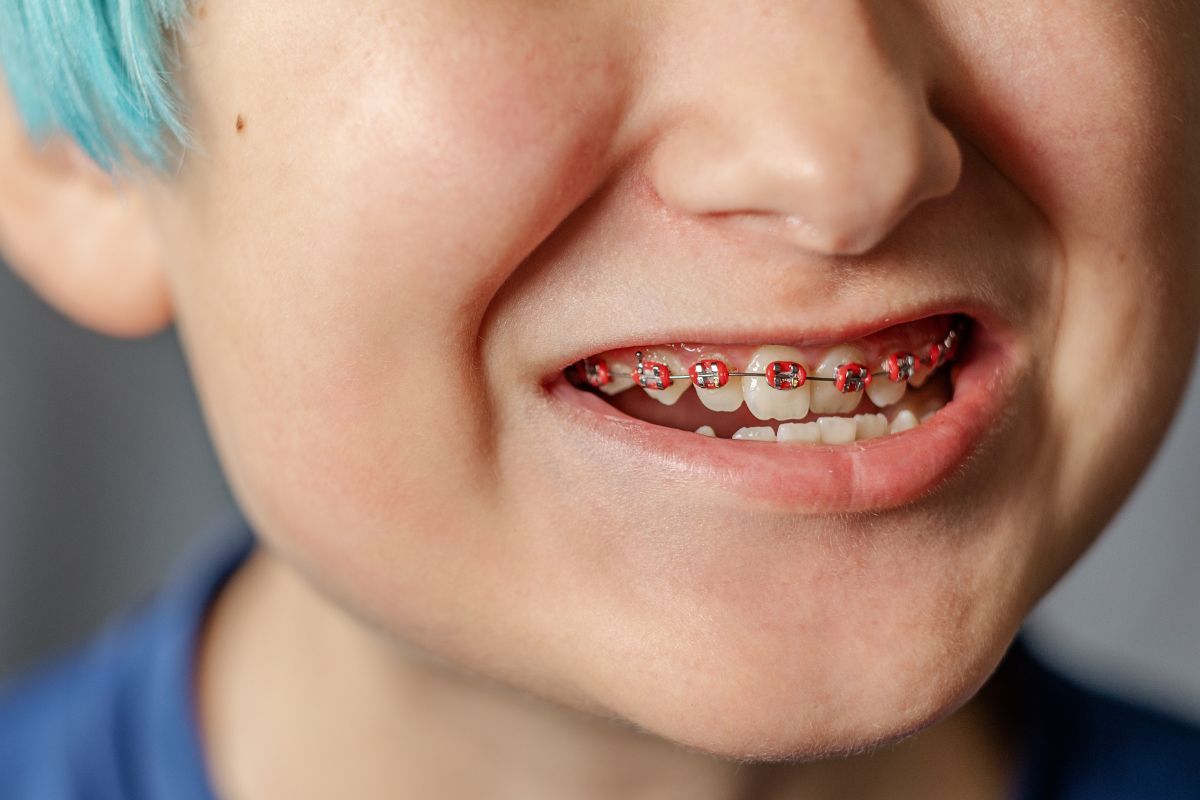
Finishing treatment with dental braces is supposed to mean a straighter smile, so it can be frustrating and confusing if your teeth still look a little crooked afterward. This happens more often than people expect, and there are usually clear, understandable reasons behind it rather than something going wrong with the treatment itself.
At Spoonhower Orthodontics, this is one of the more common concerns patients bring up after finishing treatment, and in most cases, there’s a straightforward explanation and a clear path forward.
Teeth Naturally Shift Over Time
One of the most common reasons for this is simple: teeth are always moving, even after treatment ends. This is called relapse, and it happens because teeth are held in place by soft tissue and bone that can continue adjusting for months or even years after braces come off. Without consistent retainer wear, teeth can gradually drift back toward their original positions.
Retainer Habits Make a Big Difference
Retainers are often described as the most important part of the entire process, since they’re what holds your new results in place while your mouth adjusts to its new alignment. A few retainer-related reasons teeth might shift back include:
- Not wearing the retainer as often as recommended, especially in the first year after braces come off
- Wearing an old or ill-fitting retainer that no longer matches your current alignment
- Losing or damaging a retainer and going a while without a replacement
- Switching from full-time to nighttime wear too soon
Even small gaps in retainer use can allow noticeable shifting, particularly in the lower front teeth, which tend to move the most easily.
Treatment That Didn’t Fully Address the Root Cause
Sometimes crookedness after treatment isn’t about relapse at all. It may relate to how the original treatment was planned:
- Underlying jaw or bite issues that weren’t fully corrected during treatment
- Wisdom teeth coming in later, which can push against other teeth and cause new crowding
- Treatment that focused on visible teeth only, without fully addressing rotation or root positioning
These situations are less about anything going wrong and more about how complex tooth movement can be, especially in certain bite patterns.
Wondering whether what you’re seeing is normal or something that needs attention? Contact us and our team can take a look and explain what’s happening in your specific case.
What Can Be Done About It Now
The good news is that this situation is very treatable, no matter the cause. Depending on what’s found during an exam, options might include:
- A new or updated retainer, if the current one no longer fits properly
- Short-term treatment with braces or aligners to correct minor shifting
- A full reassessment of the bite, if the original concern wasn’t fully addressed
- Monitoring wisdom teeth and addressing them if they’re contributing to crowding
Most cases of post-treatment crookedness are minor and can be corrected more quickly than the original treatment took.
Preventing This From Happening Again
Once your smile is back on track, a few habits help keep it that way long-term:
- Wear your retainer exactly as recommended, even if that means indefinitely at night
- Replace worn or damaged retainers right away rather than waiting
- Keep up with regular checkups so any small shifts are caught early
- Have wisdom teeth monitored, especially if they haven’t fully come in yet
Getting Your Smile Back on Track With Orthodontic Care
Crookedness after braces doesn’t mean your treatment failed; it just means something needs a closer look. If your smile isn’t quite where you expected it to be, our team is ready to help patients throughout Uniontown and nearby areas figure out the cause and get back on track with braces or a simple retainer adjustment. Visit our dental office today, and let’s get your smile back where it belongs.