Let's talk about your smile: (330) 896-0600
Does Your Child Need Early Orthodontics? Key Conditions to Know

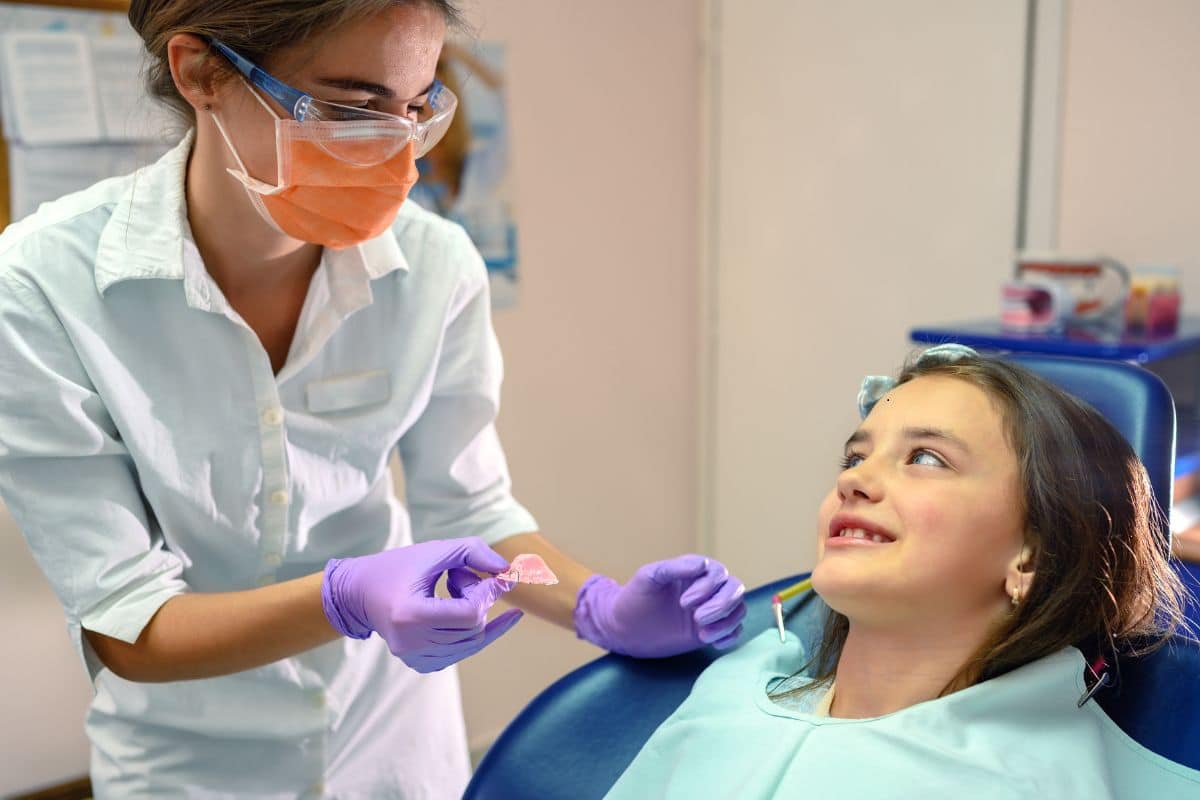
As parents, we all want the best for our children, especially when it comes to their health. While most people associate orthodontic treatment with teenagers, early orthodontic intervention can be crucial for certain conditions. Identifying these conditions at an early stage can lead to better outcomes, simpler treatments, and a healthier smile for your child. In this blog, we will explore key conditions that may require early orthodontic treatment and what you, as a parent, should look out for.
Understanding Early Orthodontic Treatment
Early orthodontic treatment, often referred to as interceptive orthodontics, typically begins between the ages of 7 and 9. At this stage, a child’s mouth is still developing, which allows an orthodontist to guide the growth of the jaw and the eruption of teeth in a more controlled manner. The goal of early orthodontic treatment is to correct problems before they become more serious, reducing the need for more extensive treatment later on.
Key Conditions That May Require Early Orthodontics
Crowded or Misaligned Teeth
One of the most common reasons for early orthodontic treatment is crowded or misaligned teeth. If your child’s teeth are overlapping, crooked, or not aligned properly, early intervention can help guide the teeth into the correct position as they grow. Addressing this issue early can prevent more severe crowding and misalignment in the future.
Crossbite
A crossbite occurs when the upper teeth sit inside the lower teeth when the mouth is closed. This can lead to issues with chewing, speech, and overall oral health. Early orthodontic treatment can correct a crossbite by expanding the upper jaw and ensuring that the teeth align properly.
Underbite
An underbite happens when the lower teeth extend beyond the upper teeth. This condition can cause difficulty in biting and chewing, as well as lead to jaw pain. Early intervention can help correct an underbite by guiding the growth of the jaw and ensuring a proper bite alignment.
Overbite
An overbite occurs when the upper teeth overlap the lower teeth too much. While a slight overbite is normal, a severe overbite can cause issues with the bite, lead to wear and tear on the teeth, and even affect the appearance of the face. Early orthodontic treatment can help reduce a severe overbite and promote a healthier bite.
Open Bite
An open bite is when the upper and lower teeth do not meet when the mouth is closed, creating an open space between them. This can be caused by habits like thumb sucking or tongue thrusting. If left untreated, an open bite can lead to difficulties with speech and eating. Early orthodontic intervention can help correct an open bite and eliminate harmful habits that contribute to it.
Protruding Teeth
Protruding teeth, often referred to as “buck teeth,” occur when the upper front teeth stick out too far. This can increase the risk of injury to the front teeth and may affect your child’s self-esteem. Early treatment can help align the teeth properly and reduce the risk of injury.
Spacing Issues
Gaps or spaces between teeth can also be a concern, especially if they are large or if there are missing teeth. Early orthodontic treatment can help close gaps, guide the eruption of teeth, and create a more even spacing in the mouth.
Jaw Growth Problems
Sometimes, a child’s upper and lower jaws grow at different rates, leading to issues with bite alignment. Early orthodontic treatment can guide the growth of the jaws, ensuring that they align properly and reducing the need for more extensive treatment in the future.
The Importance of Early Evaluation
It is essential to have your child evaluated by an orthodontist around the age of 7, even if no obvious issues are present. At this age, an orthodontist can identify potential problems that may not be immediately visible and determine whether early treatment is necessary. Early evaluation does not always mean that treatment will start right away, but it allows the orthodontist to monitor your child’s development and intervene at the right time if needed.
Benefits of Early Orthodontic Treatment
- Prevents More Serious Issues
Early treatment can address problems before they become more severe, reducing the need for more invasive and costly treatments later on. - Guides Jaw Growth
By guiding the growth of the jaw, early orthodontic treatment can ensure that the upper and lower jaws align properly, promoting a healthy bite. - Creates Space for Erupting Teeth
If your child’s mouth is crowded, early treatment can create space for permanent teeth to erupt properly, reducing the likelihood of future crowding. - Improves Self-Esteem
Correcting orthodontic issues early can improve your child’s self-esteem by giving them a healthier, more confident smile. - Reduces Treatment Time
Early intervention can reduce the overall treatment time needed later, making the orthodontic process shorter and more efficient.
Conclusion
Early orthodontic treatment can be a vital step in ensuring your child’s long-term oral health. By addressing issues like crowded teeth, crossbites, and jaw growth problems at an early age, you can prevent more serious problems from developing and help your child achieve a healthy, beautiful smile.
At Spoonhower Orthodontics, we are committed to providing the best care for your child’s orthodontic needs. If you suspect that your child may benefit from early orthodontic treatment, don’t hesitate to schedule a consultation with our experienced team. We are here to guide you every step of the way and ensure that your child’s smile is in the best hands. Contact us today to learn more about how we can help your child achieve a healthy, confident smile.