Let's talk about your smile: (330) 896-0600
Why Wearing a Retainer is Crucial After Orthodontic Treatment

Orthodontic treatment is a journey to achieving a healthier, straighter smile. Whether you’ve had braces, clear aligners, or other types of orthodontic appliances, the end result is often life-changing. However, many people mistakenly believe that once the braces come off or the aligners are done, the work is over. This is not true. Wearing a retainer after your orthodontic treatment is a vital step to maintaining the results you’ve worked so hard to achieve. Let’s explore why wearing a retainer is crucial after orthodontic treatment and how it helps ensure your smile stays in place.
What Is a Retainer?
A retainer is a custom-made device designed to hold your teeth in their new, corrected positions after orthodontic treatment. Retainers come in different types, including fixed and removable versions, but they all serve the same purpose—preventing your teeth from shifting back to their original positions. While your orthodontist may recommend different types of retainers based on your needs, wearing one is necessary for everyone who has undergone orthodontic treatment.
Why Do Teeth Move After Treatment?
You might wonder why your teeth would move after all the time spent wearing braces or aligners. The answer lies in the natural movement of your teeth. Throughout your life, your teeth are subjected to various pressures, from chewing to biting, which can cause them to shift. Additionally, the tissues and ligaments around your teeth need time to stabilize after orthodontic treatment. Without a retainer, your teeth can gradually move back toward their original positions, undoing the progress you made.
The time spent correcting your teeth’s alignment is just the first part of the process. Wearing a retainer helps protect that investment by keeping your teeth in their new, aligned positions, giving your gums and bone time to adapt to the new arrangement.
Types of Retainers
Retainers come in different types, each with unique advantages. Your orthodontist will recommend the one best suited to your treatment. Here are the most common types:
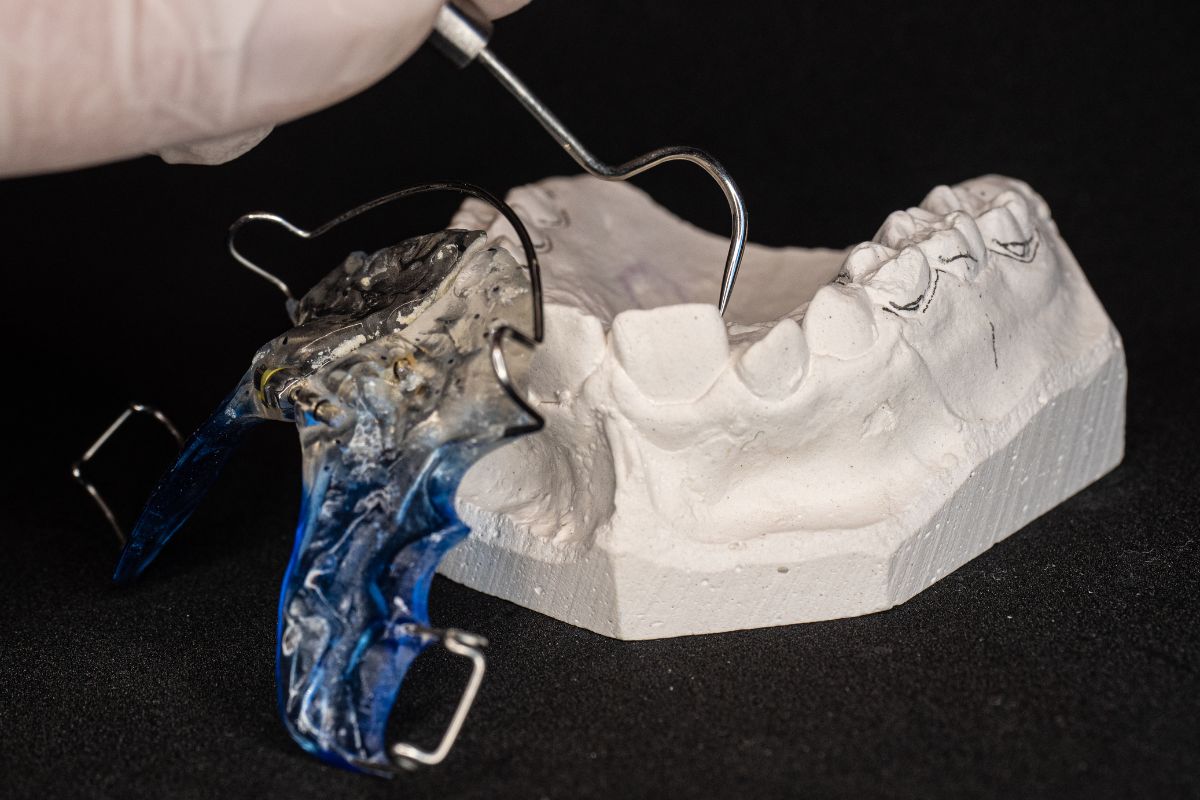
- Removable Retainers: These are usually made of plastic or acrylic with a wire that holds your teeth in place. You can take them out while eating, brushing, or for special occasions. A popular type of removable retainer is the Hawley retainer, which is durable and adjustable.
- Clear Retainers: These are nearly invisible retainers made of a clear plastic material. They look similar to clear aligners and are also removable. Clear retainers are discreet and comfortable but need to be handled with care to avoid damage.
- Fixed Retainers: Also known as bonded retainers, these are cemented to the back of your teeth, typically on the lower front teeth. They are not removable, which means they are always working to keep your teeth in place. However, since they are fixed, extra care is required to maintain good oral hygiene around them.
How Long Do You Need to Wear a Retainer?
The length of time you’ll need to wear a retainer varies from person to person. Your orthodontist will give you a personalized recommendation based on your specific treatment and how your teeth respond to the realignment process. Typically, most people are required to wear their retainers full-time for a few months after completing orthodontic treatment. After this initial period, you may transition to wearing your retainer only at night.
It’s important to follow your orthodontist’s instructions carefully. Skipping days or weeks can lead to your teeth shifting, and you may need to wear the retainer longer as a result.
Benefits of Wearing a Retainer
Wearing a retainer after orthodontic treatment may seem like an extra step, but it’s one that comes with significant benefits. Let’s look at why this step is so crucial:
1. Prevents Teeth from Shifting
The primary function of a retainer is to hold your teeth in their new positions. Without it, the pressure from your mouth and jaw can gradually cause your teeth to move back toward their original positions, undoing all the progress made by your orthodontic treatment. By wearing your retainer as instructed, you ensure that your teeth stay in place.
2. Maintains Your Smile
Your newly straightened teeth not only look great but also contribute to better oral health. Crooked or misaligned teeth can create hard-to-reach areas that make brushing and flossing difficult, increasing the risk of cavities or gum disease. Wearing a retainer helps maintain your teeth’s alignment, making it easier to keep your smile healthy.
3. Supports Jaw and Bite Stability
Orthodontic treatment doesn’t just align your teeth—it also corrects your bite and the position of your jaw. Wearing a retainer helps maintain the stability of your bite, ensuring that your teeth and jaw work together properly. This can prevent issues like jaw pain, uneven wear on teeth, or discomfort when chewing.
4. Protects Long-Term Results
Orthodontic treatment is a significant investment in time, money, and effort. By wearing your retainer, you are protecting that investment and ensuring the long-term success of your treatment. Retainers keep your teeth aligned for years to come, preserving the work your orthodontist did to create your perfect smile.
The Importance of Retainer Care
Just like braces or clear aligners, your retainer requires proper care to keep it in good shape. Neglecting your retainer can lead to bacteria buildup, damage, or even loss, which can set back your progress.
Here are a few tips for maintaining your retainer:
- Clean It Regularly: Just like your teeth, your retainer can accumulate plaque and bacteria. Clean your removable retainer daily with a soft toothbrush and mild soap or retainer cleaner. Avoid using hot water, as it can warp the material.
- Store It Properly: When you’re not wearing your removable retainer, store it in a case to protect it from damage or loss. Leaving it out in the open can expose it to harmful germs or result in accidental damage.
- Keep It Away from Heat: Never leave your retainer in direct sunlight or in a hot car, as heat can cause it to deform. Always store it in a cool, dry place when not in use.
- Check for Wear and Tear: Over time, retainers can show signs of wear, such as cracks or loosening. If you notice any damage, contact your orthodontist for a replacement.
Final Thoughts
Wearing a retainer is a crucial step in maintaining the beautiful results of your orthodontic treatment. By following your orthodontist’s instructions and wearing your retainer as directed, you ensure that your teeth stay in their new, straightened positions. This not only protects your smile but also supports your overall oral health for the long term.
Remember, the key to success is consistency. By wearing your retainer regularly and caring for it properly, you’ll enjoy the lasting benefits of your orthodontic treatment. So, while the braces may be off, the journey to a perfect smile continues with your retainer.