Let's talk about your smile: (330) 896-0600
What Are the Best Treatments for a Crossbite?

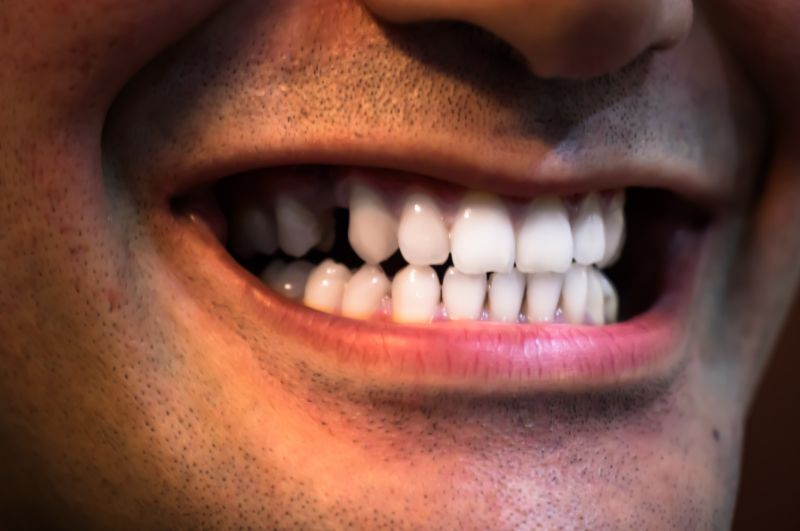
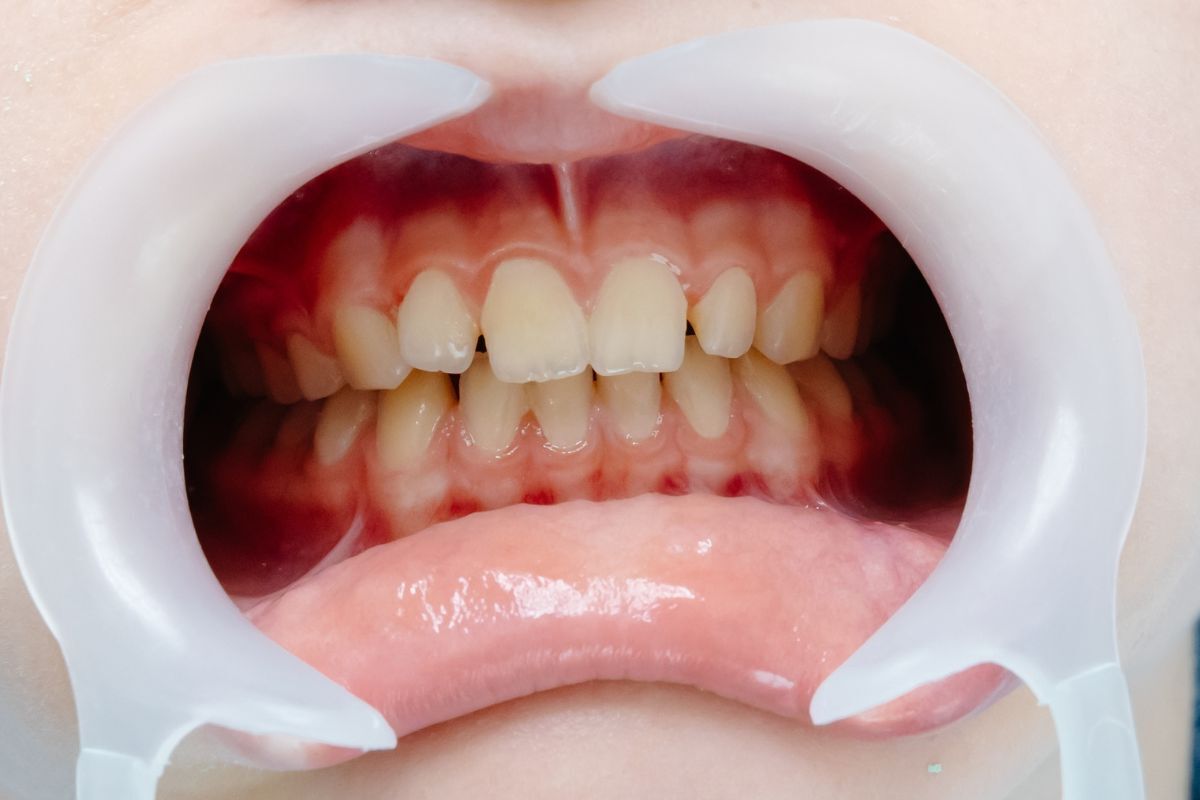
A crossbite happens when the upper and lower teeth don’t line up the way they should when the mouth is closed, with one or more upper teeth sitting inside the lower teeth instead of slightly in front of them. It can affect just a couple of teeth in the front or extend across one or both sides of the mouth, and it’s more common than a lot of people realize. Left untreated, it can lead to uneven wear on teeth, jaw discomfort, and even affect how the jaw grows over time, which is why orthodontic treatment is usually recommended sooner rather than later.
At Spoonhower Orthodontics, this is one of the more frequent concerns Dr. Christopher Spoonhower evaluates during first-time consultations, especially for younger patients whose jaws are still developing. Catching it early often means simpler, faster treatment.
What Causes a Crossbite?
A crossbite can develop for a few different reasons, and it’s not always obvious what’s behind it without a proper exam.
Genetics: Jaw size and shape are largely inherited, so a mismatch between the upper and lower jaw can simply run in the family.
Childhood habits: Prolonged thumb sucking, pacifier use past toddler years, or tongue thrusting can all influence how the teeth and jaw develop.
Delayed loss of baby teeth: When baby teeth are lost later than expected, permanent teeth sometimes come in at an angle, contributing to a crossbite.
Mouth breathing: Chronic mouth breathing, often related to allergies or enlarged tonsils, can affect how the jaw and palate develop over time.
Signs You Might Have a Crossbite
A crossbite isn’t always obvious just by looking in the mirror, but a few signs tend to stand out. These include teeth that visibly don’t line up when biting down, jaw discomfort or clicking, uneven wear on certain teeth, or a noticeable shift of the jaw to one side when closing the mouth. In some cases, a crossbite is picked up simply during a routine dental exam before any symptoms appear at all.
Best Treatment Options for a Crossbite
Treatment really depends on the person’s age, how severe the crossbite is, and whether it involves the front teeth, the back teeth, or both.
Palatal expanders: For younger patients whose jaw is still growing, a palatal expander is one of the most effective tools available. It gradually widens the upper jaw over several months, creating enough room for the teeth to align properly. Because it works with natural jaw growth, this option tends to be most successful before the jaw has finished developing.
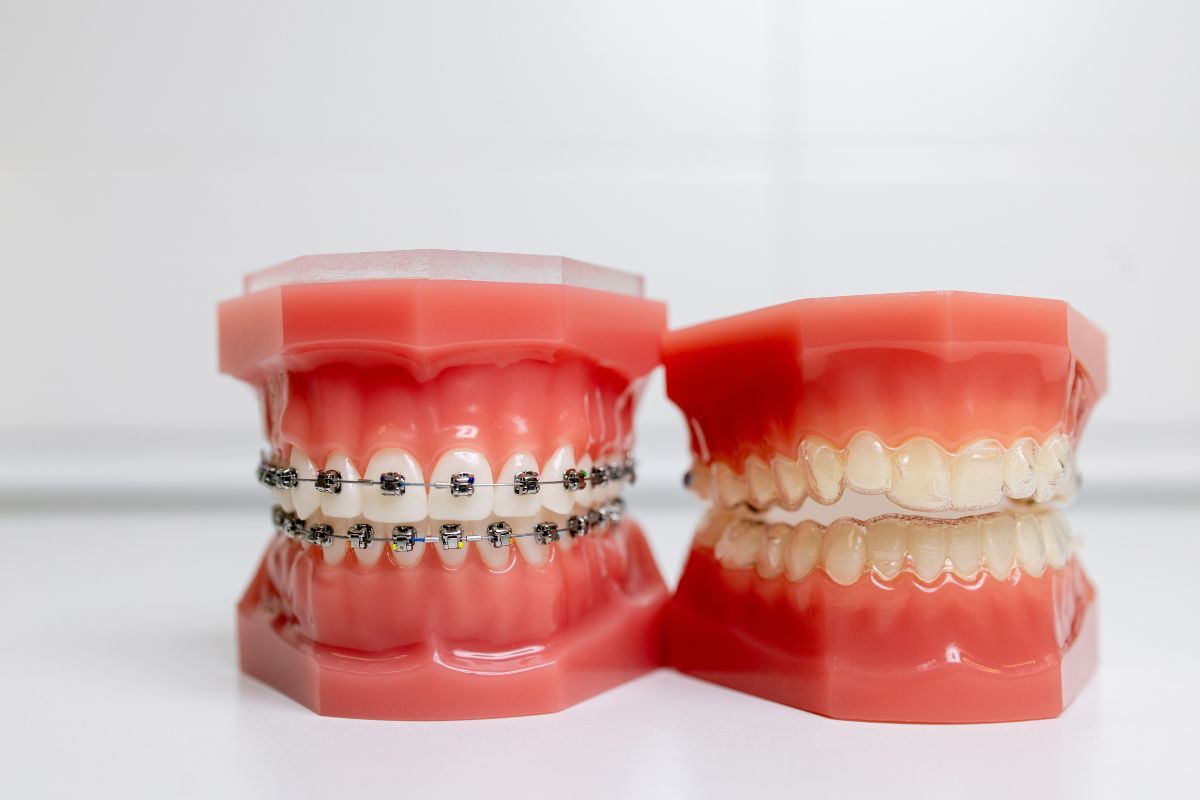
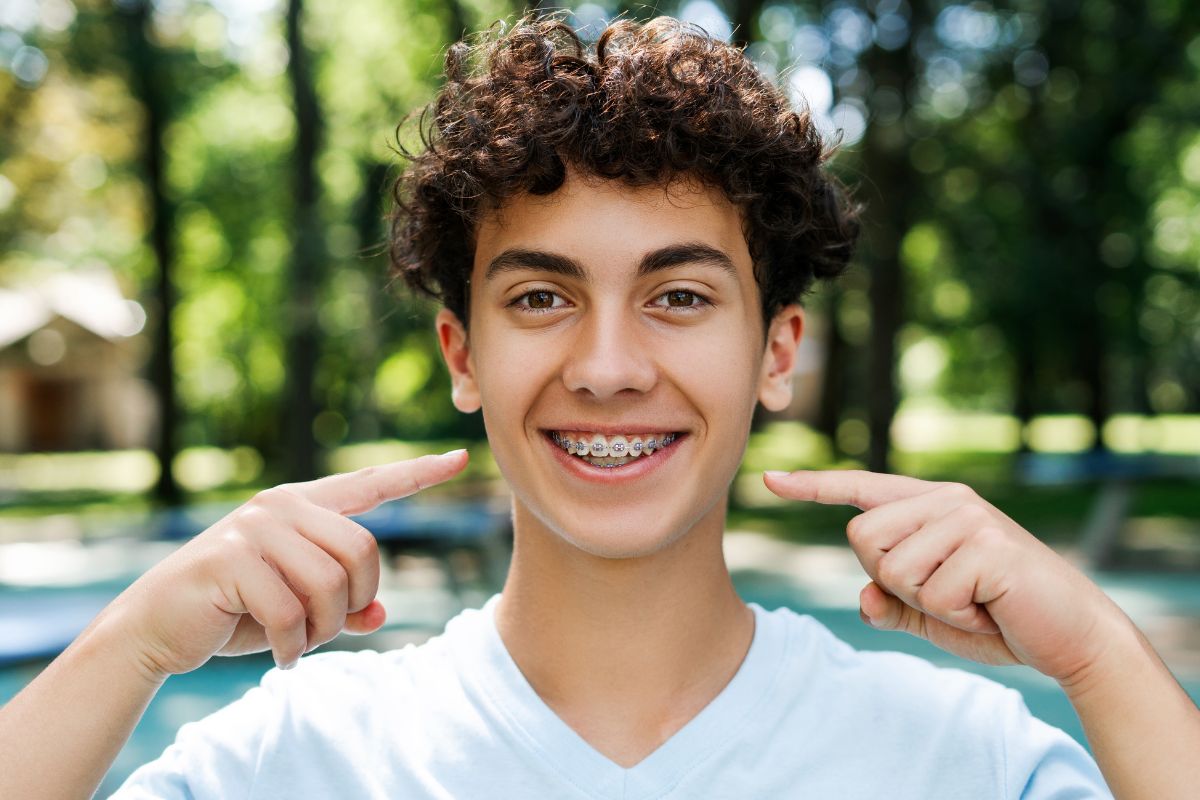
Braces: Traditional braces can correct a crossbite involving individual teeth by gradually guiding them into the correct position. This is often combined with an expander when the underlying issue involves jaw width rather than just tooth position.
Clear aligners: For milder crossbites, especially those limited to a few teeth, clear aligners can sometimes achieve similar results to braces with a more discreet appearance. Not every crossbite is a good candidate for aligners, so this is something an orthodontist evaluates on a case-by-case basis.
Elastics: Small rubber bands are sometimes used alongside braces to apply targeted pressure that helps guide the bite into proper alignment, especially for crossbites that affect how the back teeth meet.
Jaw surgery: In more severe adult cases, where the skeletal mismatch between the upper and lower jaw is significant, surgical correction may be recommended alongside orthodontic treatment. This is less common and typically reserved for cases where braces or aligners alone wouldn’t be enough.
If you’ve noticed any of these signs, or a dentist has mentioned a possible crossbite during a checkup, contact us to schedule an evaluation and go over which option makes the most sense.
Why Early Evaluation Matters?
The earlier a crossbite is identified, particularly in children, the more treatment options tend to be available, since the jaw is still responsive to gradual guidance. Waiting longer doesn’t make correction impossible, but it can mean a longer or more involved treatment process.
Get Your Bite Back on Track and Improve Your Smile with Orthodontic Care
A crossbite is very treatable once it’s properly diagnosed, and the right approach depends on the individual case. If you suspect you or your child may have one, our orthodontist in Green is happy to take a look and walk you through the options. Visit our dental office to take the first step toward a more balanced, comfortable bite.