Let's talk about your smile: (330) 896-0600
Why Good Dental Hygiene Matters During Orthodontic Care

When you start your journey with braces or any orthodontic treatment, one thing becomes clear: maintaining good dental hygiene is crucial. Having braces or other orthodontic appliances means your teeth and gums need extra care. If you neglect your oral hygiene during this time, you could face challenges that extend beyond just having a beautiful smile. In this blog, we will explore why good dental hygiene is essential during orthodontic care and offer tips to help you keep your mouth healthy.
The Impact of Orthodontics on Dental Hygiene
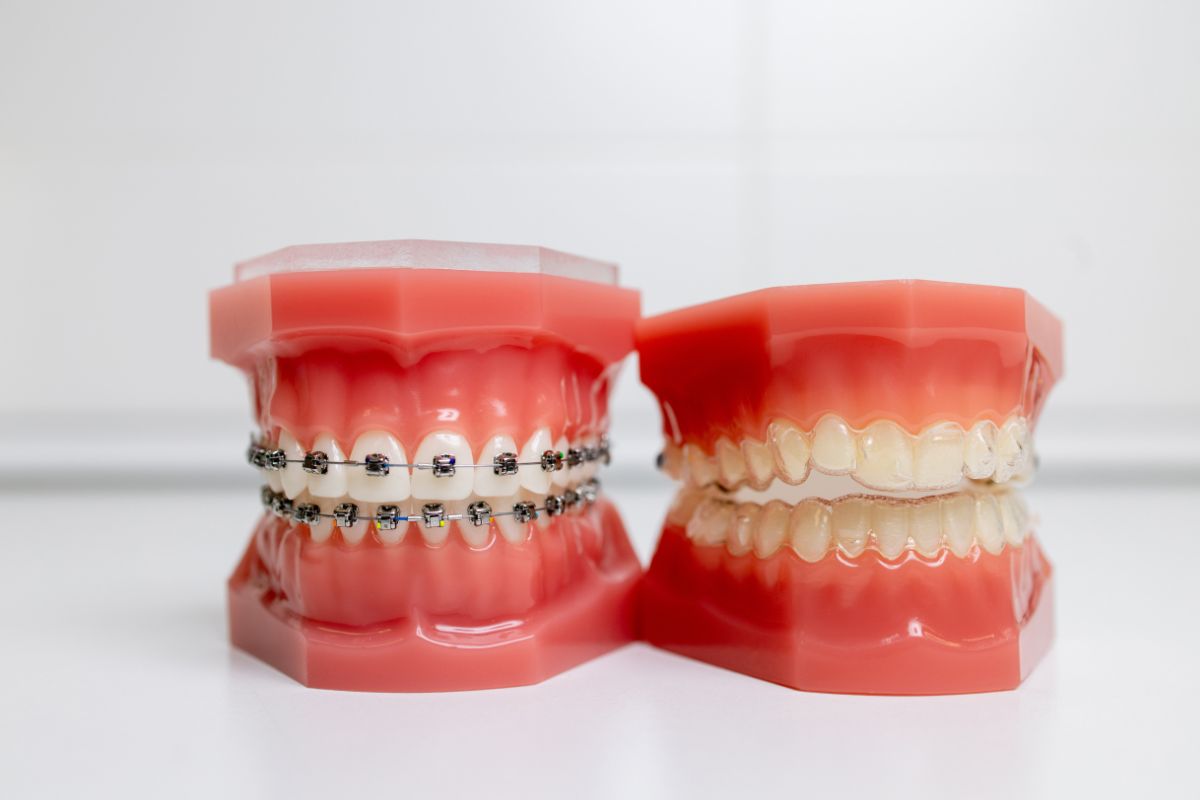
Orthodontic devices, such as braces or clear aligners, can create unique challenges for your oral hygiene routine. Braces consist of brackets and wires that can trap food particles and plaque, making it harder to clean your teeth properly. If not cleaned well, these can lead to plaque buildup, cavities, and gum disease.
1. Increased Risk of Cavities
When you have braces, your teeth are more prone to cavities. The brackets can catch food particles, making it easier for plaque to form. If you don’t clean your teeth thoroughly, the acid from plaque can erode the enamel, leading to cavities. This is why brushing after every meal is vital to remove any trapped food and plaque.
2. Gum Disease Concerns
Just like your teeth, your gums need proper care. Poor oral hygiene can lead to gingivitis, the early stage of gum disease. Symptoms include swollen, red, or bleeding gums. If left untreated, it can progress to more severe gum disease, which can affect the supporting structures of your teeth. Good dental hygiene helps prevent gum disease, ensuring your mouth remains healthy throughout your orthodontic treatment.
Benefits of Maintaining Good Dental Hygiene
Maintaining good dental hygiene during orthodontic treatment has several benefits. These include better overall oral health, a smoother treatment process, and a more attractive smile once your braces are removed.
1. Faster Treatment Time
When you maintain good oral hygiene, it can lead to quicker treatment times. If your teeth and gums are healthy, your orthodontist can focus on moving your teeth into the correct position without delays caused by cavities or gum issues. This means you’ll be able to enjoy your new smile sooner.
2. Healthier Teeth and Gums
With proper dental hygiene, you reduce the risk of cavities and gum disease. This means you’ll have healthier teeth and gums, which can save you from potential discomfort and extra dental visits during your orthodontic treatment.
3. Enhanced Confidence
A clean mouth contributes to overall confidence. When you know you’re taking good care of your teeth, you’re more likely to feel good about smiling. This is especially important during orthodontic treatment, as you may feel self-conscious about your braces. Good hygiene helps you maintain a bright smile, making it easier to feel confident throughout your treatment.
Tips for Maintaining Good Dental Hygiene with Braces
Here are some practical tips to help you maintain good dental hygiene while undergoing orthodontic care:
1. Brush Your Teeth Regularly
Brushing your teeth at least twice a day is essential, especially when you have braces. It’s best to brush after every meal. Use a soft-bristled toothbrush and fluoride toothpaste. Be sure to brush around the brackets and wires to ensure you remove any food particles and plaque build-up.
2. Use the Right Tools
Invest in dental tools designed for braces. Interdental brushes and floss threaders can help you clean between your teeth and around your braces more effectively. A water flosser can also be beneficial, as it helps remove debris and plaque from hard-to-reach areas.
3. Floss Daily
Flossing can be tricky with braces, but it’s crucial. Flossing removes plaque and food particles stuck between your teeth and along the gum line. Use a floss threader or special orthodontic floss to make this easier.
4. Rinse with Mouthwash
Using an antibacterial mouthwash can help reduce plaque and freshen your breath. Mouthwash reaches areas that brushing and flossing might miss, providing an extra layer of protection for your teeth and gums.
5. Limit Sugary and Sticky Foods
Certain foods can be damaging to your braces and your dental hygiene. Sticky and sugary foods can cling to your braces and promote plaque build-up. Try to limit these foods during your treatment. Instead, opt for healthier snacks that are easier to clean from your teeth.
6. Regular Visits to Your Orthodontist
Don’t forget to schedule regular check-ups with your orthodontist. They can monitor your progress and address any issues related to your dental hygiene. If you have questions about your oral care routine, your orthodontist can provide personalized advice to help you maintain healthy teeth and gums during treatment.
Addressing Dental Hygiene Challenges
It’s normal to face challenges with dental hygiene during orthodontic treatment. If you find it difficult to clean your teeth effectively, talk to your orthodontist. They can recommend techniques or tools to improve your routine.
1. Education on Proper Techniques
Your orthodontist or dental hygienist can show you the best techniques for brushing and flossing with braces. They can offer advice on how to reach all areas of your mouth effectively.
2. Addressing Pain or Discomfort
If you experience pain or discomfort while cleaning your teeth, it’s essential to address these issues. Sometimes, the brackets or wires can cause irritation to your gums. Your orthodontist can help adjust your braces to minimize discomfort and provide tips for managing any sensitivity you may feel while brushing.
3. Stay Motivated
Maintaining good dental hygiene can be challenging, especially when you have braces. Stay motivated by reminding yourself of the benefits of good oral care. Visualize the beautiful smile you’ll have at the end of your treatment, and focus on taking small steps every day to keep your teeth and gums healthy.
Conclusion
Good dental hygiene is essential during orthodontic treatment. By taking the time to care for your teeth and gums, you can enjoy a healthier mouth and a more beautiful smile once your braces are removed. Remember to brush and floss regularly, limit sugary foods, and visit your orthodontist for guidance. With dedication to your dental care routine, you can make the most of your orthodontic experience and achieve the smile you’ve always wanted.