Let's talk about your smile: (330) 896-0600
Why Some Bite Problems Are Better Treated With Braces Than Invisalign?

When you hear about orthodontic treatment, you may immediately think of clear aligners as an easy alternative to traditional braces. Invisalign can be a great choice for many people, especially those who want a more discreet way to straighten their teeth. But does that mean it is the right option for every bite problem? Not necessarily.
Good orthodontic care is about more than making teeth look straighter. It also involves improving how the upper and lower teeth come together and making sure the bite functions properly. Depending on the type and severity of the problem, braces may give an orthodontist more control over tooth movement than clear aligners can provide.
How Do Braces and Invisalign Treat Bite Problems?
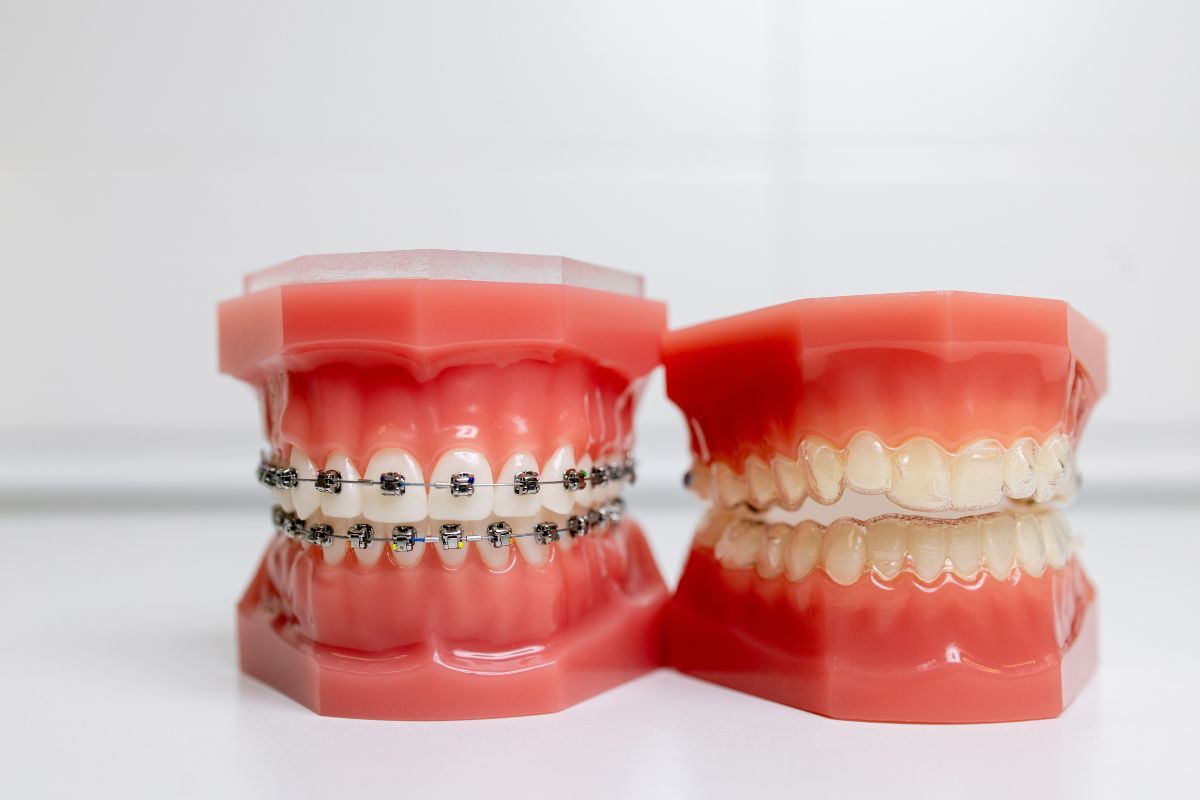
Both braces and Invisalign are designed to gradually move teeth into better positions, but they do so in different ways.
Traditional braces use brackets attached to the teeth and a wire that applies steady pressure. The orthodontist can make adjustments to the wire throughout treatment to guide individual teeth in specific directions.
Invisalign uses a series of removable clear aligners. Each aligner is designed to make small changes in tooth position before the patient moves on to the next one. Because the aligners can be removed, patients also need to wear them for the recommended amount of time each day for treatment to work as planned.
For many alignment concerns, either approach may be effective. The difference becomes more important when a bite problem requires more complex or carefully controlled tooth movement.
What Makes a Bite Problem More Complex?
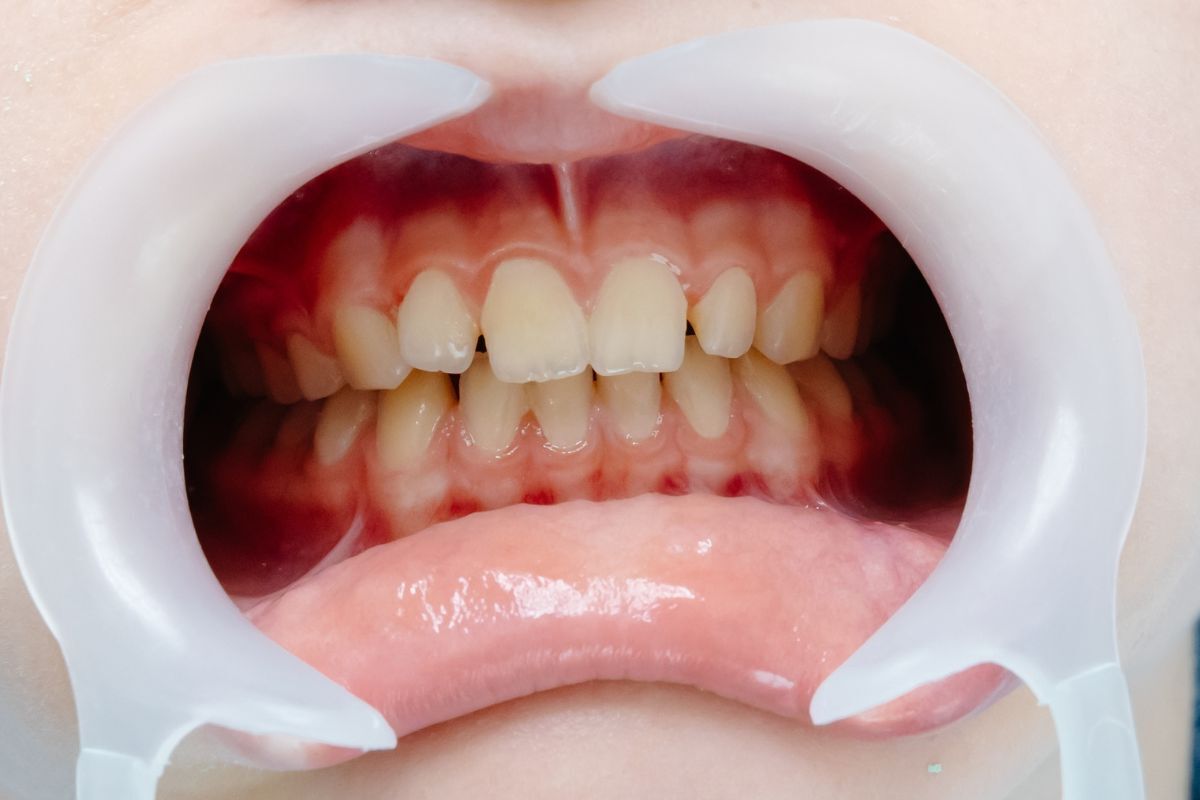
A bite problem is not always as simple as having a few crooked teeth. The way the upper and lower teeth fit together can be affected by several different factors.
Some common bite concerns include:
- Overbite: The upper front teeth extend too far over the lower front teeth.
- Underbite: The lower teeth sit in front of the upper teeth when the mouth is closed.
- Crossbite: Some upper teeth sit inside the lower teeth instead of outside them.
- Open bite: Some teeth do not meet when the mouth is closed.
- Severe crowding: There may not be enough room for teeth to fit properly.
- Large spaces: Gaps between teeth may affect how the teeth come together.
- Significant tooth rotations: Some teeth may need to turn substantially to reach the proper position.
When several of these concerns occur together, treatment may require precise movement of multiple teeth. That is one reason braces can sometimes be recommended instead of Invisalign.
Why Might Braces Be Better for Certain Bite Problems?
Braces Can Provide More Direct Control
One of the main advantages of braces is the amount of control they can provide over individual teeth. Since brackets remain attached to the teeth throughout treatment, the orthodontist can make adjustments as the teeth move.
This can be particularly helpful when teeth need to move in several directions or when a bite needs significant correction.
They Can Handle More Complicated Tooth Movements
Some teeth need to move vertically, rotate, tilt, or shift sideways. Certain movements can be more difficult to accomplish with removable aligners, particularly when a large amount of movement is needed.
Braces can sometimes make these movements more predictable because the brackets and wires remain in place continuously.
They Do Not Depend on Remembering to Wear Them
Invisalign aligners are removable, which is convenient for eating and cleaning your teeth. However, that convenience also means the patient has to remember to put the aligners back in.
Braces do not have this same requirement. Once they are placed, they remain on the teeth throughout treatment. This can be helpful for patients who may have difficulty consistently wearing removable aligners.
Braces May Be Useful for Significant Bite Corrections
Some bite problems involve the relationship between several teeth rather than just one or two teeth being out of position. When substantial correction is needed, an orthodontist may recommend braces because they can provide the level of control necessary for the treatment plan.
This does not mean Invisalign cannot treat bite problems. Rather, it means that the complexity of a particular case can influence which treatment is most appropriate.
Does That Mean Invisalign Cannot Fix Bite Problems?
No. Invisalign can correct many types of orthodontic concerns, including certain overbites, underbites, crossbites, crowding, and spacing issues.
Clear aligners may be especially suitable for patients whose teeth require movements that can be effectively planned and achieved with aligners. They can also be appealing to people who prefer a removable and less noticeable treatment option.
The important point is that not every bite problem is the same. Two people may both have an overbite, for example, but the cause and severity of the problem may be completely different. One person may be a good candidate for Invisalign, while another may benefit more from braces.
Why Does Your Bite Need to Be Evaluated First?
It can be tempting to choose orthodontic treatment based on how the appliance looks. However, appearance should not be the only consideration.
An orthodontist looks at how your teeth fit together, how much movement is needed, and whether the upper and lower jaws and teeth are properly aligned. They also consider the position of individual teeth and the overall goals of treatment.
This evaluation helps determine whether Invisalign can provide the necessary movements or whether braces would offer better control.
In other words, the question is not simply, “Which treatment do I prefer?” It is also, “Which treatment can effectively address my specific bite?”
Understanding Your Treatment Options With Spoonhower Orthodontics
At Spoonhower Orthodontics, treatment recommendations are based on the individual orthodontic needs of each patient. An evaluation can help determine the type of bite concern present and whether braces, Invisalign, or another treatment approach is appropriate. Understanding the reason behind a treatment recommendation can also make it easier for patients and families to feel comfortable with the plan. If you have questions about your treatment options, contact us to learn more.
Braces vs. Invisalign: Which One Is Right for Your Bite?
There is no single orthodontic treatment that is best for everyone.
Braces may be the better option when a patient has a complex bite problem, needs significant tooth movement, or would benefit from greater control over individual teeth. Invisalign may be a good choice for many patients whose bite and alignment concerns can be effectively managed with clear aligners.
The decision should ultimately be based on the condition being treated rather than simply choosing the appliance that looks more appealing or convenient.
Questions to Ask Before Choosing Treatment
If you are deciding between braces and Invisalign, consider asking your orthodontist:
- What type of bite problem do I have?
- How severe is my bite problem?
- What tooth movements are necessary?
- Can Invisalign achieve the movements I need?
- Would braces provide better control for my case?
- How long could treatment take?
- What will I need to do at home during treatment?
- What could happen if the recommended treatment is not followed consistently?
These questions can help you understand why one option may be recommended over another.
The Bottom Line: Treatment Should Match Your Bite
Braces and Invisalign can both be effective orthodontic treatments, but they are not interchangeable for every patient. Braces may be better suited to certain complex bite problems because they can provide greater control over individual tooth movements and do not depend on the patient remembering to wear an appliance.
At the same time, Invisalign can be an effective option for many people with less complex alignment and bite concerns. The right choice depends on the specific problem, the amount and type of movement required, and the treatment goals.
Choosing the Right Orthodontic Care With Spoonhower Orthodontics in Green, OH
Choosing between braces and Invisalign is easier when you understand what your bite actually needs. If you are looking for orthodontic care in Green, OH, an evaluation with an orthodontist can help you understand whether braces or clear aligners are better suited to your specific bite problem. At our dental office, we are here to help you understand your options and make an informed decision about your treatment. Request an appointment to learn more about the orthodontic care that may be right for you.