Let's talk about your smile: (330) 896-0600
The Braces Timeline: How Long Does It Take to Get Your Dream Smile?


Braces are one of the most effective solutions for aligning teeth, correcting bite issues, and achieving that dream smile many people hope for. But one of the most common questions people ask is, “How long will I have to wear braces?” This question has no one-size-fits-all answer, as the time it takes varies from person to person based on a variety of factors. In this blog, we’ll explore the typical braces timeline, the steps involved, and factors that may impact the duration of your orthodontic journey.
What to Expect When Starting Braces
Getting braces is a process that starts with an initial consultation with an orthodontist. During this appointment, the orthodontist will examine your teeth, discuss your goals, and provide an estimated timeline for your treatment based on your unique needs. They may take X-rays, photos, and impressions of your teeth to develop a personalized plan. Here’s what the timeline typically looks like:
Step 1: Initial Consultation and Treatment Planning
Before braces are even placed, the orthodontist needs to develop a treatment plan. This step usually includes:
- Comprehensive Evaluation: X-rays, photographs, and impressions of your teeth are used to evaluate your dental structure.
- Treatment Discussion: The orthodontist will review your options, explaining the process and addressing any concerns you may have.
- Estimated Timeline: A rough timeline will be given, though it may be adjusted as treatment progresses. For most people, braces treatment lasts anywhere from 1 to 3 years.
Step 2: Applying the Braces
Once the plan is set, the braces are applied in a process that generally takes 1-2 hours. Here’s what happens:
- Cleaning and Preparation: The orthodontist will clean and dry your teeth to ensure the brackets bond properly.
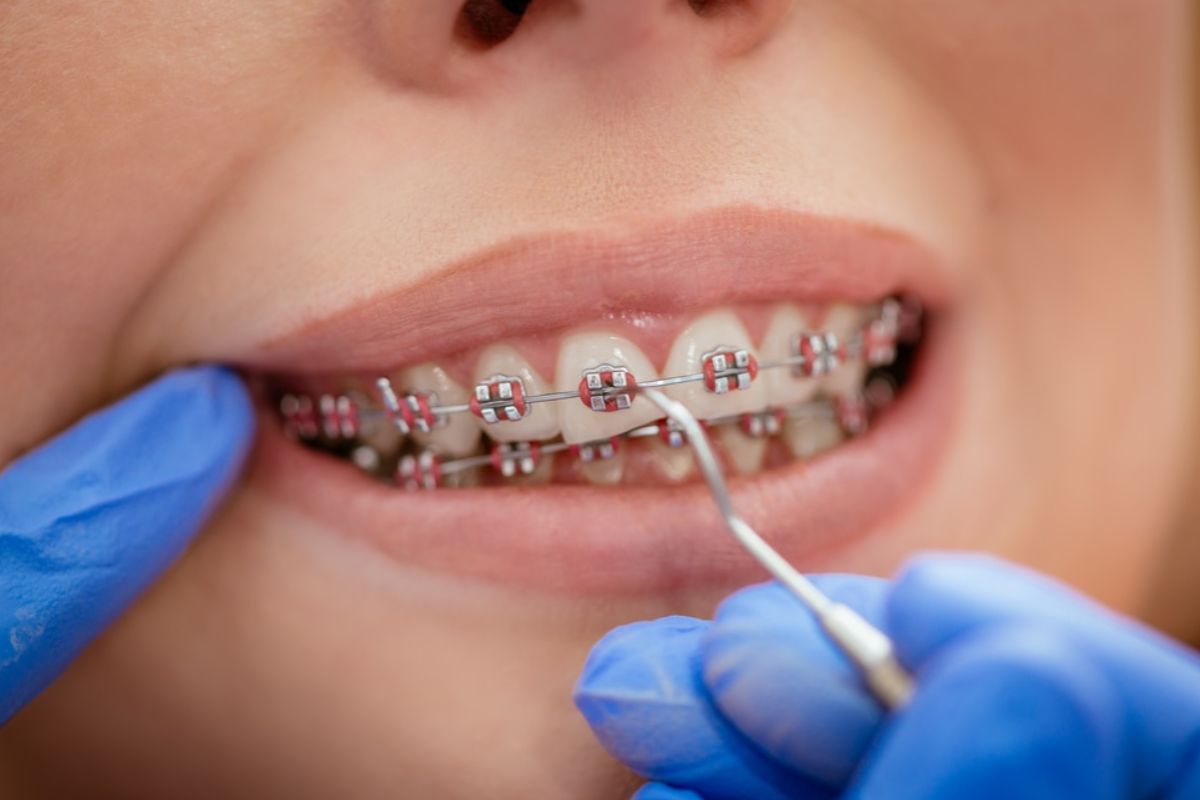
- Brackets and Wires: Each tooth receives a bracket, which is then connected with a wire that gently guides the teeth into the desired position.
- Adjustments: Your orthodontist will provide a schedule for adjustments to keep your teeth moving gradually.
Factors That Influence Braces Duration
The time it takes to achieve your ideal smile varies due to several factors. Understanding these can help set realistic expectations and keep you informed throughout your treatment.
1. Type of Dental Issues
Braces can address a range of dental issues, from simple spacing problems to more complex bite misalignments. The more complex the issue, the longer the treatment is likely to take. For example:
- Minor Crowding or Spacing: Minor misalignments might only require around 12 to 18 months.
- Severe Misalignments and Bite Issues: Severe bite issues or significant crowding may require up to 2 or 3 years to correct fully.
2. Age and Bone Structure
Age is a notable factor in orthodontic treatment, as younger patients, especially teens, typically see faster results. Their bones and teeth are still developing, making it easier to move teeth into their correct positions. For adults, treatment may take slightly longer because bone density increases with age, making teeth a bit harder to shift.
3. Type of Braces Used
The type of braces you choose also affects treatment time. Traditional metal braces are the most common and often the quickest to correct issues, but other types, like ceramic or lingual braces, may be slightly slower. Invisible aligners, while not exactly braces, are another option that can work well for mild to moderate misalignment but might require longer treatment for more complex cases.
Monthly Adjustments and Check-Ups: The Role of Consistency
Regular check-ups and adjustments are crucial for the success of your braces journey. These visits usually happen every 4 to 8 weeks and allow your orthodontist to:
- Tighten Wires: Adjusting the wires maintains gentle pressure on your teeth, ensuring continuous movement.
- Check Progress: Your orthodontist will monitor the alignment and make any necessary modifications.
Skipping appointments or delaying adjustments can extend treatment time, so it’s essential to stay on schedule to reach your goal as soon as possible.
How to Help Speed Up Your Braces Journey
While there’s no magic trick to drastically speed up the process, there are things you can do to ensure your treatment stays on track.
1. Follow Oral Hygiene Recommendations
Good oral hygiene is critical. Braces can trap food particles, which may lead to cavities or gum issues, potentially delaying treatment. Brush and floss as recommended, and consider using an interdental brush or water flosser to reach around your brackets.
2. Avoid Hard or Sticky Foods
Certain foods can damage braces, bending wires or even causing brackets to come loose. This may add extra time to your treatment. Avoid hard foods like nuts and sticky foods like caramel, which can place extra pressure on your braces.
3. Wear Any Prescribed Elastic Bands
If your orthodontist prescribes rubber bands or other appliances, wear them as directed. These are usually essential for correcting bite issues, and wearing them consistently helps achieve the desired result faster.
What to Expect at the End of Treatment
Once your orthodontist determines that your teeth are correctly aligned, it’s time to remove the braces. This part of the journey is exciting, but the process isn’t quite over. Here’s what you can expect during this phase:
Step 1: Removing the Braces
Removing braces is a straightforward process that typically takes about an hour. The orthodontist will carefully remove each bracket and polish your teeth to remove any adhesive. You’ll finally get to see your new, aligned smile without braces.
Step 2: Wearing a Retainer
After braces come off, the next step is to maintain the alignment with a retainer. Retainers help keep your teeth in place while the surrounding bone tissue solidifies. Here’s what you need to know:
- Types of Retainers: Retainers can be either removable or fixed, depending on your needs.
- Duration: For the first few months, you may need to wear the retainer day and night. Eventually, you’ll only need to wear it at night.
Skipping the retainer phase can lead to your teeth shifting back to their previous positions, undoing all the progress made with braces.
Frequently Asked Questions About Braces Timeline
Let’s answer some common questions about braces timelines to give you a complete understanding.
1. Can braces be removed earlier than expected?
In some cases, treatment may finish ahead of schedule if everything goes smoothly and your teeth respond well. However, prematurely removing braces can result in incomplete treatment, so it’s best to trust your orthodontist’s judgment.
2. Do adults need to wear braces longer than teenagers?
Adults may take slightly longer due to denser bone structures. However, with a consistent treatment plan and proper care, adults can achieve the same results as younger patients.
3. Can braces take longer than the estimated timeline?
Yes, several factors, like missed appointments, improper care, and complex dental issues, can extend the treatment timeline. Following your orthodontist’s advice can help you stay on track.
Final Thoughts on Your Braces Journey
Getting braces is a commitment, but the reward—a healthier, straighter smile—is well worth it. The treatment timeline depends on various factors, such as your specific dental issues, age, and type of braces, but most people can expect to wear braces for about 1 to 3 years. By following your orthodontist’s recommendations, practicing good oral hygiene, and attending regular appointments, you can make the most of your braces experience and achieve the smile you’ve always wanted.
Remember, while the process may seem lengthy, each step brings you closer to a lifetime of confident smiles. Trust the journey, and look forward to the end result—a beautifully aligned, healthy smile!