Let's talk about your smile: (330) 896-0600
Why Regular Observation Appointments Matter in Orthodontic Care


Orthodontic care is not just about getting braces and waiting for the treatment to finish. One of the most important steps in orthodontic treatment is regular observation appointments, which play a crucial role in ensuring that everything is progressing as planned. These visits might seem routine, but they are vital for the overall success of your treatment and for keeping your smile on track. In this blog, we’ll explore why regular observation appointments matter and how they help you get the best results from your orthodontic care.
What Are Observation Appointments?
Observation appointments, sometimes called “check-up” visits, are scheduled meetings with your orthodontist during the course of your treatment. These appointments typically happen every 6 to 8 weeks, although they can vary depending on your individual treatment plan.
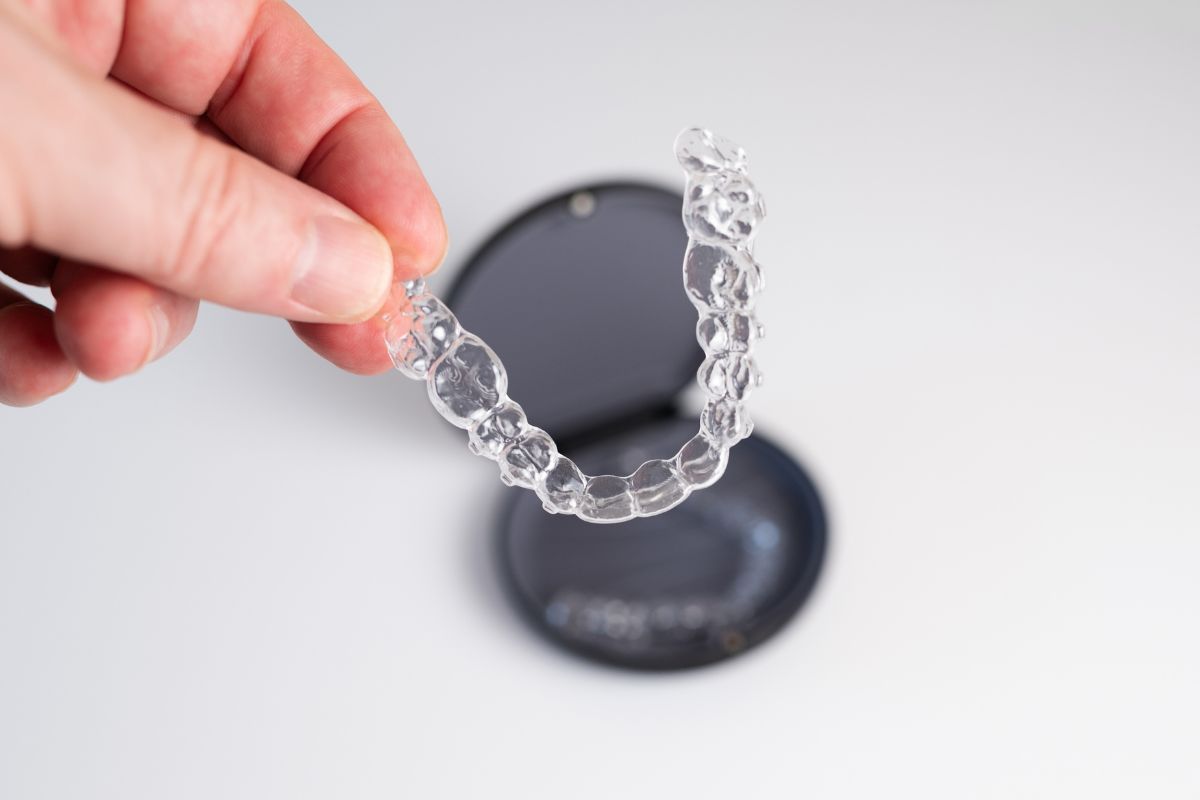
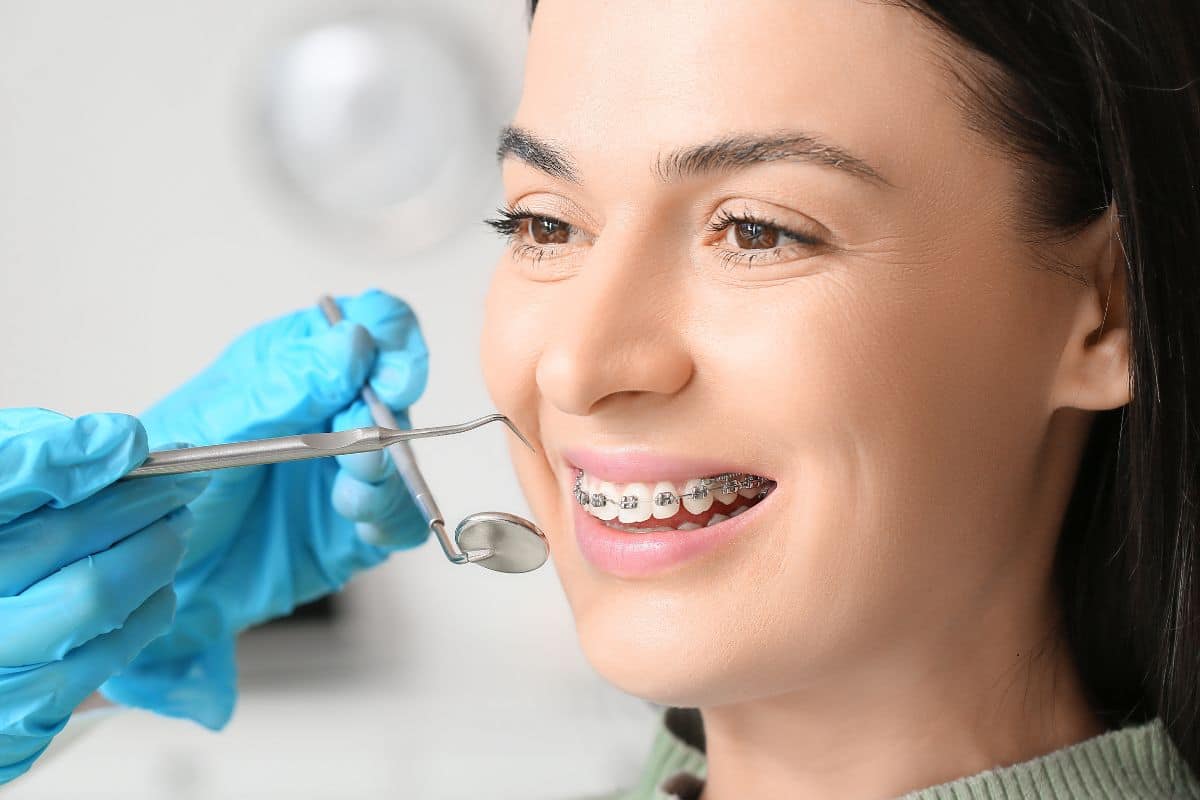
During an observation visit, your orthodontist will examine the progress of your treatment, check how your braces or aligners are fitting, and make adjustments as necessary. These appointments allow your orthodontist to ensure that your teeth and jaw are moving in the right direction and to make any changes if needed.
Key Reasons Why Observation Appointments Are Important
1. Ensuring Proper Progress
The main purpose of observation appointments is to monitor the progress of your orthodontic treatment. Your teeth may shift at different rates, and some adjustments might be needed to keep everything moving as planned. These appointments allow your orthodontist to spot any issues early and address them before they turn into bigger problems.
For example, if your braces or aligners are not fitting properly, your orthodontist can make the necessary adjustments. Without regular check-ups, you might not realize that something is off until it’s too late, which could lead to delays in your treatment or even complications.
2. Preventing Long-Term Issues
Orthodontic care is a long-term process, and regular observation visits help prevent problems that could affect the overall outcome of your treatment. During these visits, your orthodontist will check the health of your teeth, gums, and jaw. If there are any signs of tooth decay, gum disease, or other issues, they can be caught early and treated before they impact your orthodontic progress.
Orthodontic treatment can sometimes lead to minor discomfort or oral health issues, such as irritation from the brackets or soreness from new adjustments. Your orthodontist can identify these problems and offer solutions to make your experience more comfortable. Additionally, early intervention can prevent the need for more extensive dental work down the line.
3. Adjusting Treatment Based on Your Needs
Everyone’s teeth are unique, and each person’s treatment plan may require adjustments along the way. Observation appointments give your orthodontist the chance to make adjustments to your braces or treatment plan based on your specific needs. For example, if your teeth are moving faster than expected, your orthodontist might make certain changes to keep everything on track. On the other hand, if movement is slower than anticipated, adjustments can help speed up the process.
These adjustments ensure that your orthodontic care is always tailored to you, providing the best possible results in the shortest amount of time.
4. Tracking Growth and Development
For children and teens, observation appointments are especially important because their teeth and jaws are still growing. Your orthodontist will track their growth and development to determine the best time to start treatment. In some cases, early intervention may be needed to guide the growth of the teeth and jaw, while in other cases, it might be best to wait until the child has matured a bit more.
These regular visits ensure that the treatment plan is adjusted as the child’s teeth and jaw develop, ultimately leading to better results and a more comfortable experience.
How Observation Appointments Help You Avoid Setbacks
While orthodontic care is generally a smooth process, missing observation appointments can lead to setbacks in treatment. For example, if issues like bracket damage or improper tooth movement go unnoticed, it can delay the entire process. These setbacks not only affect the timeline of your treatment but may also lead to additional costs and treatments.
By sticking to a schedule of regular observation visits, you can avoid these setbacks and ensure that your treatment stays on track. Your orthodontist will catch any potential issues before they become bigger problems, which helps you achieve the smile you want without unnecessary delays.
What Happens During an Observation Appointment?
Each observation appointment will vary depending on the stage of your orthodontic treatment, but they generally include the following:
- Checking the Fit of Braces or Aligners: Your orthodontist will ensure that your braces are still securely attached and that your aligners are fitting properly.
- Progress Check: Your orthodontist will check how your teeth are shifting and make sure they are moving in the right direction.
- Making Adjustments: If necessary, your orthodontist may make small adjustments to your braces, wires, or aligners to continue moving your teeth into their desired positions.
- Providing Guidance: You may also receive tips on how to care for your braces, avoid certain foods, or improve your oral hygiene to ensure a smooth treatment process.
- Addressing Any Concerns: If you’re experiencing any discomfort or have questions, the orthodontist will take the time to discuss solutions.
Benefits of Regular Observation Appointments
1. More Comfortable Treatment
Regular check-ups make it easier for your orthodontist to monitor your progress and ensure that your treatment is as comfortable as possible. Adjustments can be made as needed to reduce discomfort, and your orthodontist can offer advice on how to manage any soreness or irritation.
2. Faster Results
By keeping your treatment on track, observation appointments help to shorten the overall length of your treatment. If everything is progressing smoothly, you may even finish your treatment earlier than expected.
3. Better Results
Ultimately, regular observation visits ensure that your orthodontic care leads to the best possible results. With careful monitoring and timely adjustments, your teeth will end up looking their best, and you’ll enjoy a confident smile for years to come.
Conclusion
Regular observation appointments are an essential part of orthodontic care. They help your orthodontist ensure that your treatment is progressing smoothly, prevent any long-term issues, and make necessary adjustments to keep everything on track. By attending these appointments, you can avoid setbacks, maintain your oral health, and achieve the best possible results from your orthodontic treatment.
If you’re currently undergoing orthodontic treatment or considering it, be sure to schedule your observation visits and follow your orthodontist’s guidance. These appointments are key to achieving a beautiful, healthy smile that lasts a lifetime.