Let's talk about your smile: (330) 896-0600
What to Expect at Your First Orthodontic Consultation


Taking the first step toward achieving a straighter and healthier smile can feel exciting and a little nerve-wracking. Whether you’ve been referred by your dentist or decided on your own to visit an orthodontist, understanding what happens during your first consultation can help you feel more confident and prepared. This article will walk you through the process, from the moment you walk in the door to the steps that follow.
Why an Orthodontic Consultation is Important
An orthodontic consultation is an opportunity to learn more about your dental health and explore how braces, aligners, or other treatments can improve your smile. It’s not just about aesthetics; a properly aligned bite can make a big difference in oral health and comfort. This initial appointment allows the orthodontist to evaluate your teeth and develop a personalized treatment plan.
Preparing for Your First Appointment
Before your consultation, there are a few simple things you can do to make the most of your visit:
- Gather Your Dental Records: If you’ve been referred by a dentist, they may send your records directly. However, it’s helpful to bring any recent X-rays or dental history with you.
- Make a List of Questions: Think about what you’d like to know. Common questions might include treatment options, estimated costs, and how long the process might take.
- Bring Insurance Information: If you have dental insurance, bring your details to find out what coverage is available.
The Initial Greeting and Paperwork
When you arrive at the orthodontist’s office, you’ll typically be greeted by the front desk staff. They may ask you to fill out some paperwork, including medical and dental history forms. This information helps the orthodontist understand your overall health and any specific concerns.
Meeting the Orthodontist
After the paperwork is complete, it’s time to meet the orthodontist. They’ll ask about your goals, concerns, and expectations for treatment. Whether you’re seeking treatment for yourself or your child, this is the time to share your thoughts openly.
The orthodontist may perform a visual examination of your teeth, gums, and jaw alignment. This quick look helps them determine if there are any immediate concerns or areas they’d like to explore further during the diagnostic phase.
Diagnostic Process
A key part of the consultation is collecting diagnostic information. This step may involve:
- X-Rays: These images provide a detailed view of your teeth and jaw structure. They help the orthodontist see what’s happening below the surface.
- Photographs: Pictures of your teeth and smile from different angles are often taken. This helps document your starting point and aids in treatment planning.
- Impressions or Scans: Impressions of your teeth may be made using a putty-like material, or the office may use modern digital scanning technology for a more comfortable experience.
Understanding Your Treatment Options
Once the diagnostic process is complete, the orthodontist will explain their findings. They’ll discuss:
- Alignment Issues: This could include crowding, spacing, overbites, underbites, or other concerns.
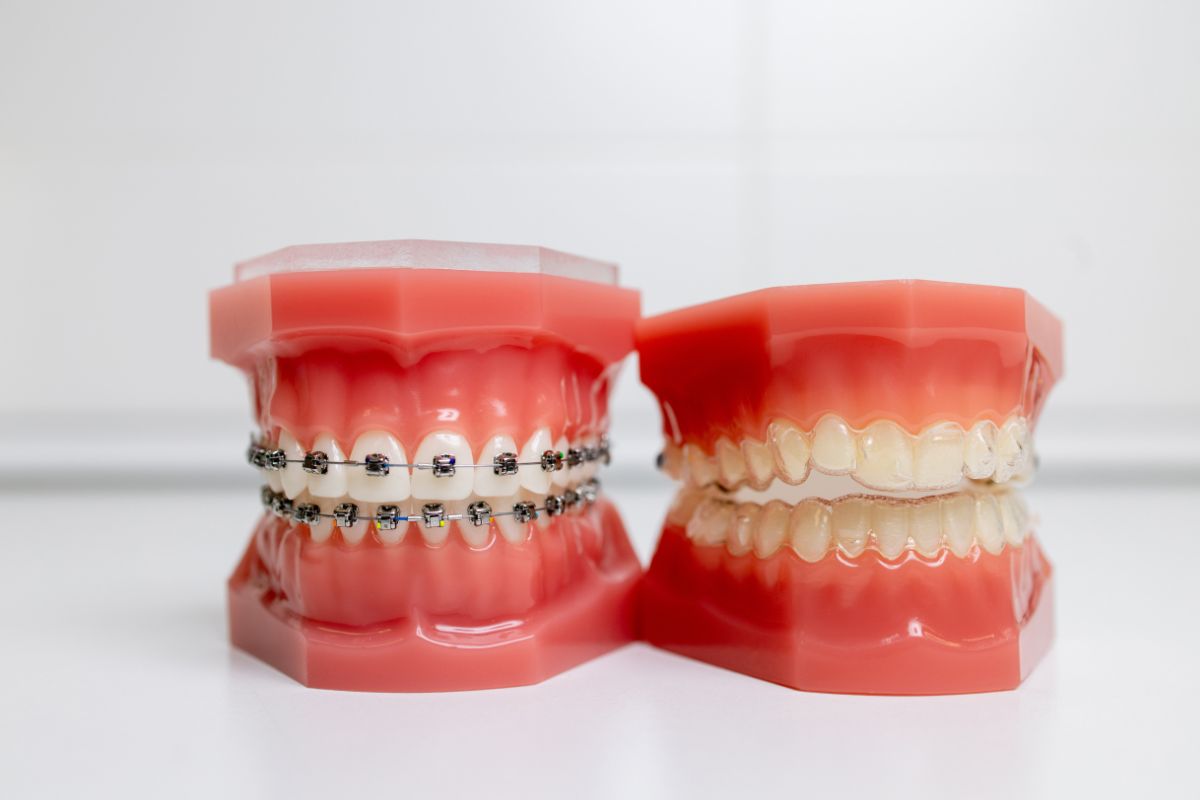
- Treatment Recommendations: Depending on your needs, the orthodontist may suggest traditional braces, clear aligners, or other orthodontic solutions.
- Timeline: You’ll get an idea of how long treatment might take. While timelines vary, most orthodontic treatments last between 12 and 24 months.
Financial Discussion
Orthodontic treatment is an investment in your oral health and confidence. During the consultation, the office staff will discuss the cost of treatment and payment options. If you have dental insurance, they can help you understand what is covered and how to maximize your benefits. Many offices also offer payment plans to make treatment more affordable.
Asking Questions
Don’t hesitate to ask questions during the consultation. Some common topics include:
- Will treatment be painful?
- How often will appointments be required?
- Are there any dietary or lifestyle changes I’ll need to make?
- What happens if I have a dental emergency during treatment?
The orthodontist and their team are there to provide clarity and guidance, so no question is too small or too simple.
Deciding on the Next Steps
After the consultation, you don’t have to decide immediately. Take some time to consider your options and any recommendations. If you’re ready to move forward, the orthodontist will schedule your next appointment to begin treatment.
Tips for a Positive First Experience
- Arrive a Few Minutes Early: This gives you time to complete any paperwork without feeling rushed.
- Be Honest About Your Concerns: Whether it’s the cost, timeline, or fear of discomfort, sharing your concerns helps the orthodontist provide better care.
- Bring a Support Person: If you’re nervous, having a family member or friend with you can make the experience more comfortable.
Building Trust with Your Orthodontist
The first consultation is also a chance to build trust with your orthodontist. A good orthodontic team will prioritize your comfort and ensure you feel supported throughout your journey. Their goal is to provide expert care while making the process as smooth as possible.
Conclusion
Your first orthodontic consultation is a valuable step toward achieving a healthier and more confident smile. By understanding what to expect, you can approach the appointment with confidence and make informed decisions about your dental health.
Orthodontic treatment is a partnership between you and your orthodontist, with the shared goal of creating a smile you’ll love for years to come. Whether it’s braces, clear aligners, or other treatments, this consultation is the first step toward a brighter future for your smile.