Let's talk about your smile: (330) 896-0600
Can Invisalign Clear Aligners Fix Gaps in Teeth?


A gap between teeth, also known as diastema, is a common dental concern that affects many people. While some individuals embrace their gaps as a unique feature, others may seek treatment to close the spaces for cosmetic or functional reasons. If you are looking for a solution to correct gaps in your teeth, you might be wondering whether Invisalign clear aligners can help. The good news is that Invisalign is an effective option for many cases of dental spacing. Let’s explore how these aligners work and whether they are the right choice for you.
Understanding Dental Gaps and Their Causes
Before discussing treatment options, it is important to understand what causes gaps in teeth. Some of the most common reasons include:
- Genetics – Some people naturally have gaps due to the size and alignment of their teeth.
- Thumb Sucking or Pacifier Use – Prolonged habits during childhood can push teeth out of alignment.
- Missing or Undersized Teeth – If certain teeth are too small or missing, gaps can form.
- Gum Disease – Advanced gum disease can cause the teeth to shift, leading to spacing issues.
- Incorrect Swallowing Reflex – Tongue thrusting against the front teeth when swallowing can gradually push them apart.
Regardless of the cause, if gaps in your teeth affect your confidence or dental health, orthodontic treatment may be the right solution.
How Invisalign Works to Fix Gaps in Teeth
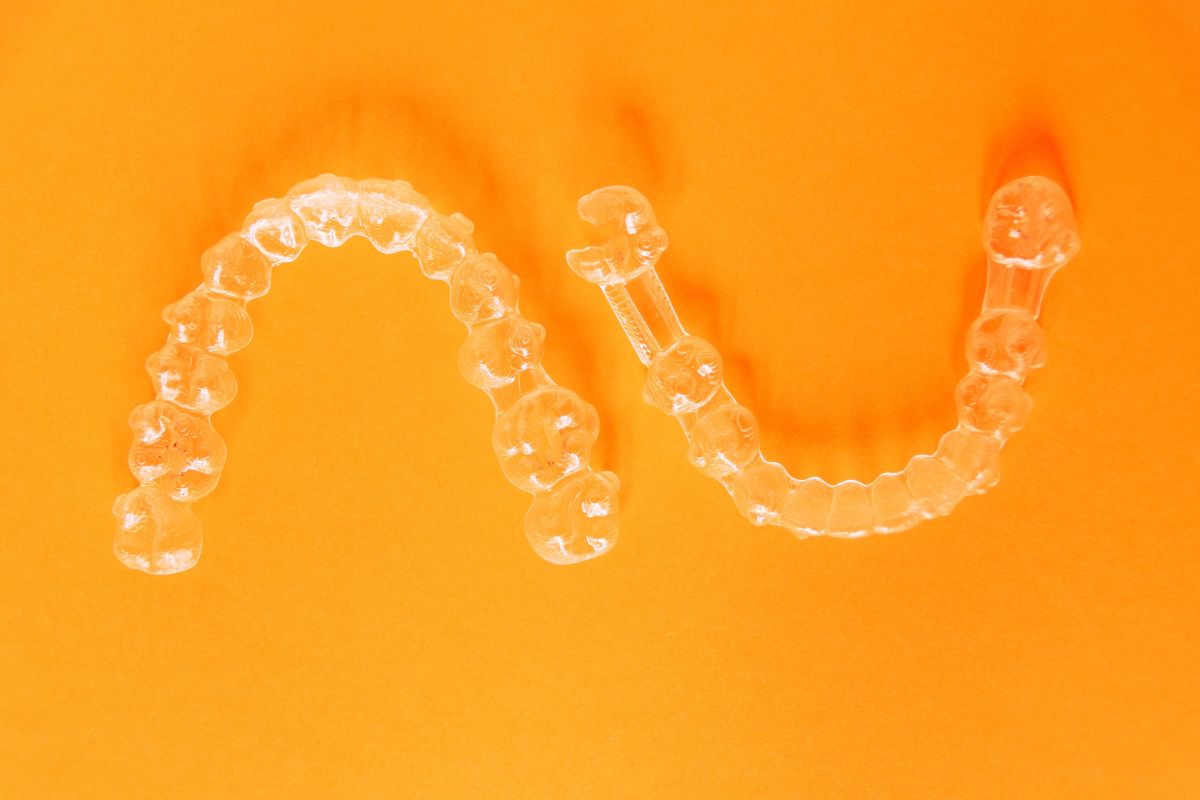
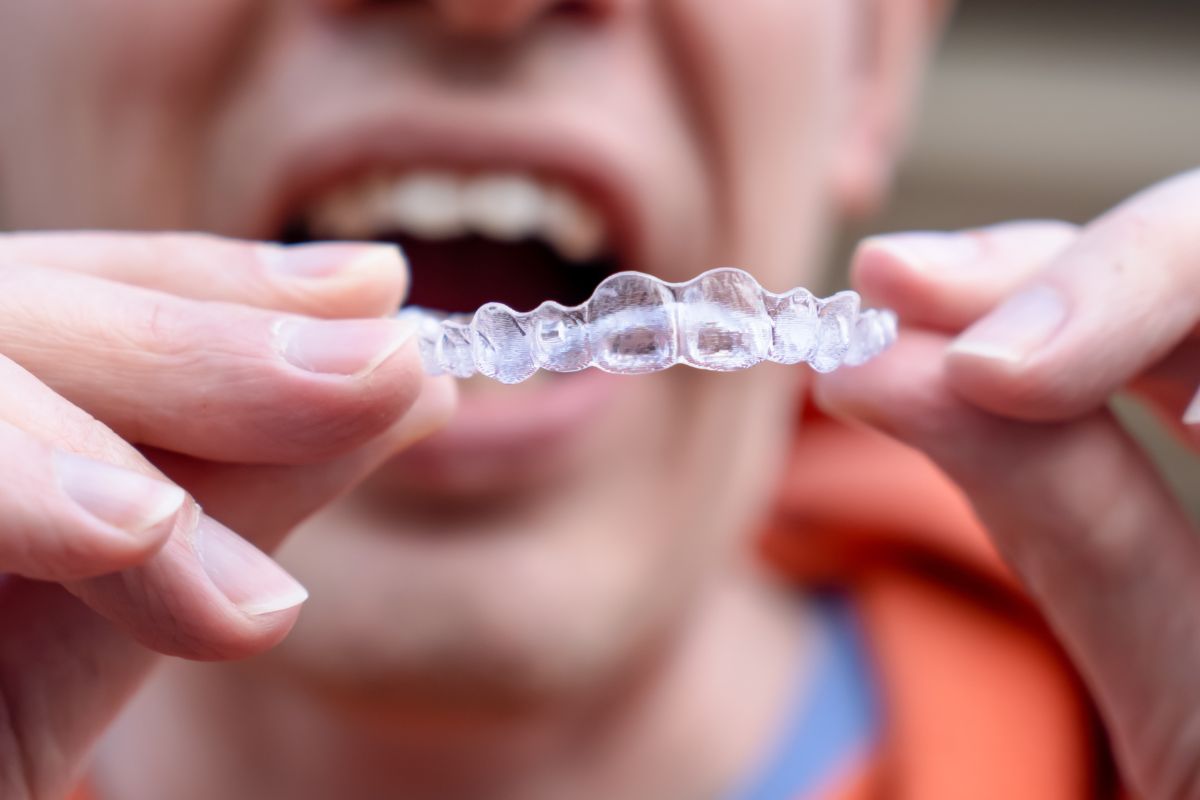
Invisalign is a modern orthodontic treatment that uses a series of clear, removable trays to gradually move teeth into their ideal position. Unlike traditional braces, which use metal brackets and wires, clear aligners provide a discreet and comfortable way to achieve a well-aligned smile.
Steps in Invisalign Treatment:
- Consultation – Your dentist or orthodontist will assess your teeth to determine if Invisalign is the right solution for your gaps.
- Custom Treatment Plan – A digital scan of your teeth is taken to design a series of aligners that will gradually shift your teeth into place.
- Wearing the Aligners – You will wear each set of trays for about two weeks before switching to the next set.
- Completion and Retention – Once the treatment is complete, retainers will be provided to maintain your new smile.
Is Invisalign Effective for Closing Gaps?
Invisalign can effectively close small to moderate gaps between teeth. The treatment gradually moves teeth closer together by applying gentle pressure. However, the effectiveness depends on the size of the gaps and the overall alignment of your teeth. Here’s how Invisalign works in different situations:
- Small Gaps: Clear aligners are highly effective in closing small gaps, usually within a few months.
- Moderate Gaps: If there are multiple gaps or if they are slightly larger, treatment may take a little longer, but Invisalign can still be an effective option.
- Severe Gaps: Large gaps may require additional orthodontic techniques, such as attachments or a combination of treatments.
Benefits of Using Invisalign for Gaps
Choosing clear aligners to close gaps in teeth comes with several advantages:
- Discreet Appearance: The aligners are nearly invisible, making them an appealing option for those who want a subtle treatment.
- Comfortable Fit: Made of smooth plastic, they do not irritate the gums or cheeks like traditional braces.
- Removable Design: You can take them out while eating, brushing, and flossing, allowing for better oral hygiene.
- Predictable Results: Advanced 3D imaging technology helps predict the movement of teeth and provides a clear view of the expected outcome.
Limitations of Invisalign for Gaps
While Invisalign is a great option for many cases, there are some limitations to consider:
- Severe Spacing Issues: If gaps are very large, additional treatments may be required.
- Patient Compliance: Since the aligners are removable, it is essential to wear them for at least 20–22 hours a day for optimal results.
- Treatment Duration: While Invisalign is effective, treatment time can vary depending on the complexity of the case.
Tips for a Successful Invisalign Treatment
To get the best results from your clear aligners, follow these tips:
- Wear Your Aligners as Directed – Keep them in for the recommended time each day.
- Clean Your Aligners Properly – Rinse them regularly and avoid exposing them to hot water.
- Attend Follow-Up Appointments – Regular check-ups ensure your treatment is progressing as planned.
- Use Retainers After Treatment – This helps prevent your teeth from shifting back into their original position.
Alternative Options for Closing Gaps
If Invisalign is not the best option for you, there are other treatments available, including:
- Traditional Braces: Metal or ceramic braces are highly effective for larger gaps and complex cases.
- Dental Bonding: A quick solution where a tooth-colored resin is applied to close small gaps.
- Veneers: Thin porcelain shells that cover the front surface of teeth to create a uniform appearance.
- Dental Implants or Bridges: If gaps are due to missing teeth, these restorative options may be recommended.
Final Thoughts
If you are looking for a comfortable and effective way to fix gaps in your teeth, Invisalign clear aligners may be the right solution. They offer a discreet and convenient way to achieve a well-aligned smile without the discomfort of traditional braces. However, the effectiveness of treatment depends on the size of the gaps and your commitment to wearing the aligners as directed.
The best way to determine if clear aligners are suitable for your dental needs is to consult with an experienced orthodontist. They will evaluate your teeth and recommend the best course of action to help you achieve a healthy and confident smile. If you have gaps in your teeth and are considering Invisalign, now is the perfect time to explore your options and take the first step toward a beautifully aligned smile!