Let's talk about your smile: (330) 896-0600
Invisalign vs. Braces: How to Choose the Best Orthodontic Solution

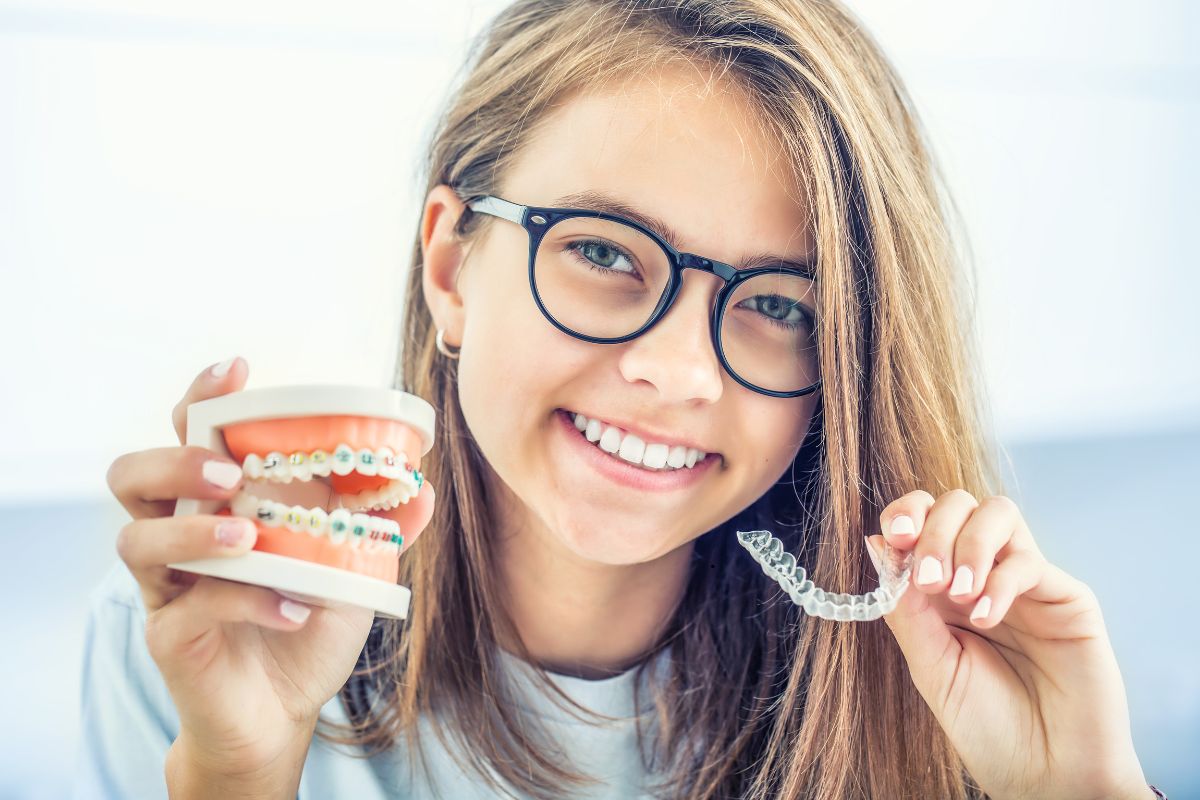
If you’re looking to straighten your teeth, you’ve probably come across two main options: traditional braces and Invisalign. Both treatments can help you achieve a beautiful smile, but they work in different ways. Choosing the right option depends on your dental needs, lifestyle, and personal preferences.
To make an informed decision, it’s important to understand how each treatment works, their pros and cons, and which option suits you best. In this guide, we’ll break down the key differences between Invisalign and traditional braces to help you determine the best orthodontic solution.
1. Understanding Invisalign and Braces
Before diving into the differences, let’s take a closer look at what each treatment involves.
What Is Invisalign?
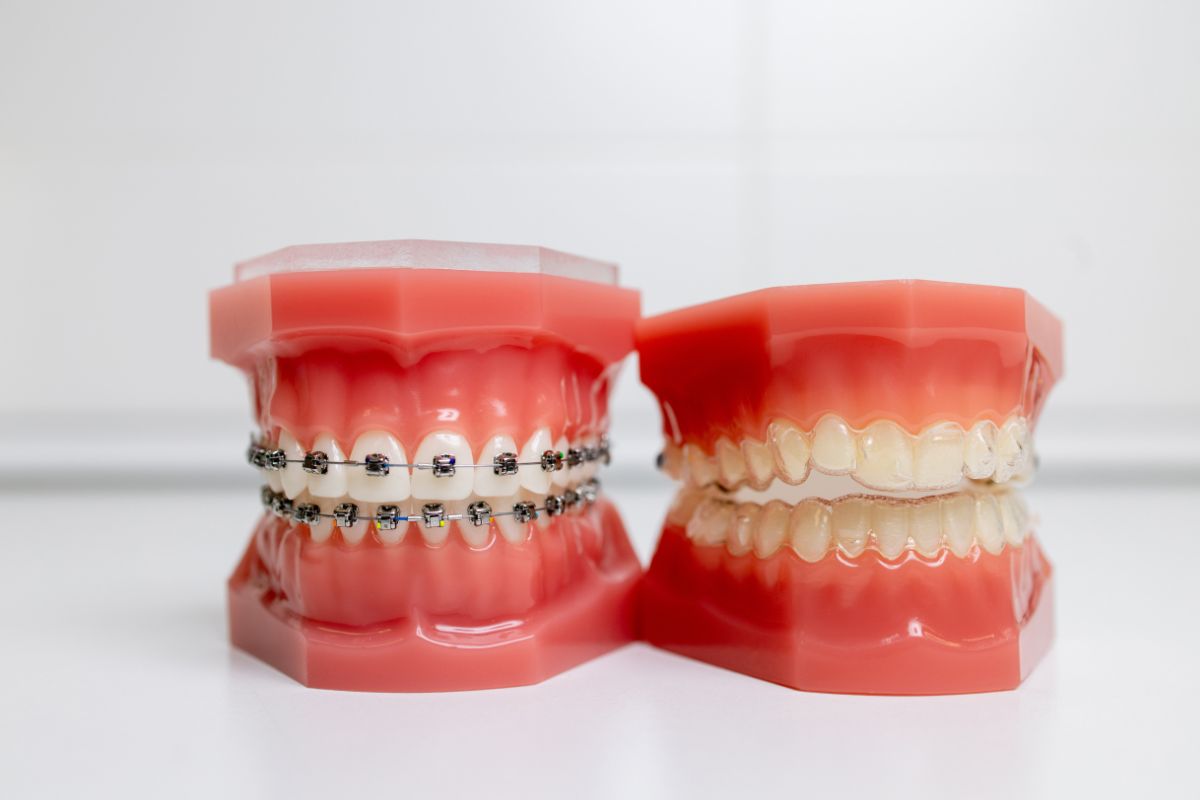
Invisalign is a modern orthodontic treatment that uses a series of clear, removable aligners to straighten teeth. These aligners are custom-made for each patient and gradually shift teeth into place over time.
Key Features of Invisalign:
- Clear, nearly invisible aligners
- Removable for eating, drinking, and oral hygiene
- Custom-fitted for comfort
- Requires changing aligners every one to two weeks
What Are Traditional Braces?
Braces are the most common orthodontic treatment. They consist of metal or ceramic brackets that are attached to the teeth and connected by wires and rubber bands. The orthodontist tightens the wires periodically to move the teeth into their proper position.
Key Features of Braces:
- Fixed to the teeth (cannot be removed)
- Available in metal or clear ceramic options
- Adjusted regularly for gradual movement
- Suitable for all types of orthodontic issues
2. Comparing Invisalign and Braces
Now that we know what each treatment involves, let’s compare them in different aspects.
Appearance and Aesthetics
One of the biggest reasons people choose Invisalign is its discreet appearance. The clear aligners are nearly invisible, making them a great option for those who don’t want noticeable braces.
Traditional braces, on the other hand, are more visible. While ceramic braces are less noticeable than metal ones, they are still more apparent than Invisalign.
Best choice for appearance: Invisalign
Comfort and Convenience
Since Invisalign aligners are smooth and custom-made, they tend to be more comfortable than braces. There are no metal wires or brackets to cause irritation inside the mouth.
Braces, especially metal ones, can cause discomfort, particularly after adjustments. The brackets and wires may also create sores on the lips and cheeks.
Best choice for comfort: Invisalign
Effectiveness for Different Cases
Both treatments can straighten teeth, but traditional braces are often more effective for severe misalignments, complex bite issues, and cases where significant movement is needed.
Invisalign is best suited for mild to moderate orthodontic concerns. It may not be ideal for more complex dental problems that require advanced corrections.
Best choice for severe cases: Braces
Best choice for mild to moderate cases: Invisalign
Treatment Duration
The length of treatment varies depending on the complexity of the case.
- Invisalign treatment typically lasts 12 to 18 months but requires wearing the aligners for 20-22 hours a day for the best results.
- Braces treatment usually takes 18 to 24 months, but some complex cases may take longer.
Best choice for faster results (for mild cases): Invisalign
Best choice for complex cases: Braces
Maintenance and Oral Hygiene
With Invisalign, maintaining oral hygiene is easier since the aligners can be removed before brushing and flossing. However, the aligners need to be cleaned separately to avoid staining and bacteria buildup.
Braces require more effort to keep clean. Since they are fixed to the teeth, food can get stuck between the brackets and wires. Proper brushing and flossing techniques are necessary to prevent plaque buildup.
Best choice for easier hygiene: Invisalign
Dietary Restrictions
One major benefit of Invisalign is that there are no food restrictions. Since the aligners are removed before eating, you can enjoy all your favorite foods.
With braces, certain foods should be avoided to prevent damage to the brackets and wires. Sticky, hard, and crunchy foods like caramel, popcorn, and nuts can cause issues.
Best choice for food freedom: Invisalign
Cost Considerations
The cost of treatment depends on several factors, including the complexity of the case, the location of the dental clinic, and the specific treatment plan.
- Invisalign tends to be slightly more expensive than traditional braces due to the advanced technology used to create the aligners.
- Braces, especially metal ones, are generally more affordable but may require additional costs for repairs or adjustments.
Best choice for affordability: Braces
3. Which Treatment Is Right for You?
Choosing between Invisalign and braces depends on your needs and lifestyle. Here’s a simple way to decide:
Choose Invisalign If:
✔ You prefer a nearly invisible treatment option
✔ You have mild to moderate alignment issues
✔ You want a comfortable and removable solution
✔ You can commit to wearing aligners for at least 20 hours a day
✔ You want fewer dietary restrictions
Choose Braces If:
✔ You have severe misalignment or bite issues
✔ You don’t mind a visible treatment
✔ You need a fixed solution that doesn’t require daily discipline
✔ You want a more cost-effective treatment
4. Consulting an Orthodontist
No matter which option you are considering, the best way to make the right decision is to visit an orthodontist for a consultation. They can assess your dental condition and recommend the most effective treatment for your needs.
Both Invisalign and braces have their advantages, and the right choice depends on what works best for your specific situation. With proper guidance and commitment, either option can help you achieve a straighter, healthier smile.
Conclusion
When it comes to choosing between Invisalign and traditional braces, there is no one-size-fits-all answer. Invisalign offers a discreet, comfortable, and removable option, while braces provide a reliable and effective solution for all types of orthodontic cases.
By understanding the differences, weighing the pros and cons, and consulting with an orthodontist, you can confidently choose the treatment that best fits your needs and lifestyle. A straighter, healthier smile is within reach—no matter which path you take!