Let's talk about your smile: (330) 896-0600
Why Should You Use Rubber Bands With Braces? A Simple Guide for Better Results

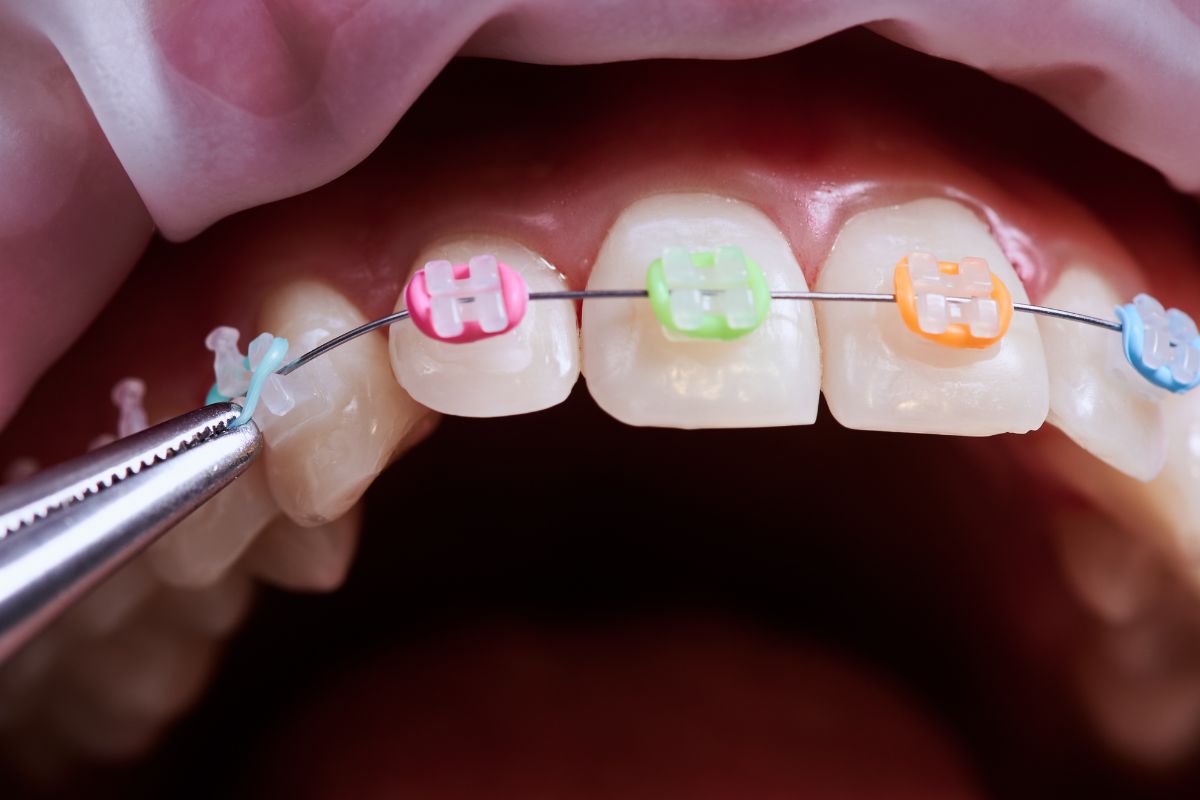
Getting braces is a big step toward a healthier, straighter smile. But if your orthodontist has added rubber bands to your treatment plan, you might be wondering why they’re so important—and whether they really make a difference.
The truth is, rubber bands (also called elastics) play a key role in how your teeth and jaw move into proper position. If you’re already wearing braces for teeth alignment, understanding how rubber bands can help make your treatment smoother and more effective.
Let’s break it down in a simple, easy-to-follow way.
What Are Rubber Bands for Braces?
Rubber bands are small elastic loops that connect different parts of your braces. They are usually hooked from a bracket on one tooth to a bracket on another tooth—often between the upper and lower teeth.
Unlike the wires that straighten your teeth, rubber bands help adjust how your upper and lower teeth fit together. In other words, they improve your bite.
Why Are Rubber Bands So Important?
Braces alone can align your teeth, but they can’t always fix how your jaw lines up. That’s where rubber bands come in.
1. They Help Correct Your Bite
Rubber bands apply gentle pressure to move your jaw into the correct position. This helps fix issues like:
- Overbite
- Underbite
- Crossbite
- Open bite
Without rubber bands, your teeth might look straight—but your bite may still feel off.
2. They Speed Up Your Treatment
Wearing your rubber bands as instructed can actually help reduce your overall treatment time. Skipping them or wearing them inconsistently can delay progress and extend how long you need braces.
3. They Improve Long-Term Results
Rubber bands ensure that your teeth not only look good but also function properly. A well-aligned bite makes chewing easier and reduces stress on your jaw.
4. They Help Prevent Future Dental Issues
When your bite is properly aligned, it can lower your risk of:
- Uneven tooth wear
- Jaw discomfort
- Difficulty chewing
- Future orthodontic problems
What Happens If You Don’t Wear Them?
It might be tempting to skip wearing rubber bands, especially if they feel uncomfortable at first. But not wearing them as directed can:
- Slow down your progress
- Lead to poor bite alignment
- Extend your time in braces
Consistency is key. The more regularly you wear them, the better your results will be.
Do Rubber Bands Hurt?
You may feel slight soreness when you first start wearing rubber bands or when you switch to a new size. This is normal and usually fades within a few days.
Tips to manage discomfort:
- Stick to soft foods for a day or two
- Take over-the-counter pain relief if needed
- Keep wearing them as instructed (this helps your mouth adjust faster)
How to Wear Rubber Bands Correctly
Your orthodontist will show you exactly how to place your rubber bands. Here are a few simple tips to follow:
- Always wear them as directed (usually all day and night)
- Remove them only when eating or brushing (if instructed)
- Replace them daily or as advised
- Carry extra rubber bands with you
When Should You Replace Rubber Bands?
Rubber bands lose their strength over time, even within a day. That’s why they need to be changed regularly.
Replacing them as instructed ensures consistent pressure, which keeps your treatment moving forward.
Mid-Treatment Reminder: Stay Consistent
It’s easy to forget or skip wearing rubber bands, especially during busy days. But staying consistent is one of the most important parts of your orthodontic journey.
If you ever feel unsure about how to wear them or run out of elastics, don’t wait—contact us so we can help you stay on track.
Get the Best Results With Spoonhower Orthodontics
Wearing rubber bands may seem like a small step, but it plays a huge role in achieving a healthy, well-aligned smile. With the right care and consistency, you’ll not only see better results—you’ll feel the difference in how your teeth function every day.
At our dental office, we guide you through every step of your treatment, making sure you understand how each part—like rubber bands—helps improve your smile. If you’re looking for an experienced orthodontist in Green, OH who can support your journey with personalized care, we’re here to help.
Visit our dental office and take the next step toward a confident, properly aligned smile.
Frequently Asked Questions
1. Can I eat while wearing rubber bands?
It’s usually recommended to remove rubber bands while eating unless your orthodontist advises otherwise. This helps prevent them from breaking.
2. What should I do if my rubber band breaks?
Replace it as soon as possible with a new one. Always keep extras with you so you’re never without them.
3. Can I wear double rubber bands for faster results?
No, you should only wear them exactly as prescribed. Using extra bands can cause too much pressure and harm your teeth.
4. How many hours a day should I wear rubber bands?
Most patients are advised to wear them 20–22 hours a day, but always follow your orthodontist’s specific instructions.
5. Will I need rubber bands for the entire braces treatment?
Not always. Rubber bands are typically used during certain stages of treatment, depending on your bite correction needs.