Let's talk about your smile: (330) 896-0600
Can Invisalign Effectively Treat an Open Bite?

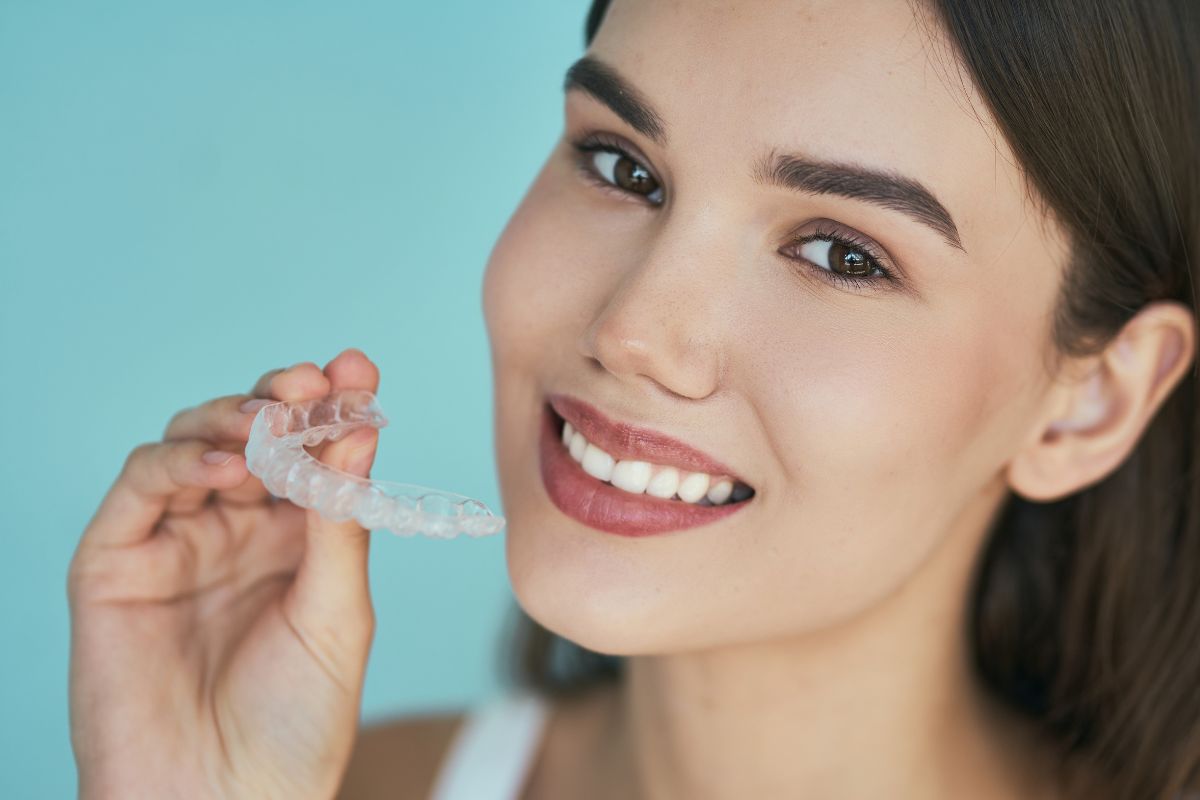
Have you ever noticed that your front or back teeth do not touch when you close your mouth? This condition is known as an open bite, and while it may seem like a cosmetic concern, it can affect much more than the appearance of your smile. An open bite can make everyday activities such as eating, speaking, and even smiling more difficult. Fortunately, modern orthodontic care offers several ways to correct this problem, and invisalign treatment has become a popular option for many patients.
The good news is that Invisalign can effectively treat many open bite cases, but it is not the right solution for everyone. The success of treatment depends on what caused the open bite, how severe it is, and your overall oral health. Understanding how Invisalign works can help you make an informed decision if you are considering orthodontic treatment.
What Is an Open Bite?
An open bite is a type of bite problem, also called a malocclusion, where the upper and lower teeth do not meet properly when the mouth is closed. Instead of fitting together as they should, certain teeth remain misaligned.
There are two common types of open bites:
Anterior Open Bite
This is the most common type. The upper and lower front teeth do not touch when the mouth is closed, even though the back teeth may meet normally. This often makes biting into foods like sandwiches, apples, or pizza more difficult.
Posterior Open Bite
A posterior open bite occurs when the back teeth do not make contact while the front teeth touch together. Although less common, it can make chewing food less efficient.
Both types can vary from mild to severe, and the right treatment depends on each person’s individual needs.
What Causes an Open Bite?
Several factors can contribute to the development of an open bite. In many cases, more than one cause is involved.
Thumb Sucking or Prolonged Pacifier Use
Children who continue thumb sucking or use a pacifier beyond the recommended age may place pressure on their developing teeth and jaws. Over time, this can prevent the front teeth from growing into their proper positions.
Tongue Thrusting
Some people naturally push their tongue against their front teeth when swallowing or speaking. Repeated pressure can gradually move the teeth forward and create an open bite.
Genetics
Sometimes, the shape and size of the jaw are inherited. If the upper and lower jaws develop differently, an open bite may occur naturally.
Jaw Growth Differences
As children grow, uneven jaw development can affect how the teeth fit together. These differences may become more noticeable during adolescence.
Other Oral Habits
Certain habits, including nail biting or frequently chewing on objects, may contribute to bite problems in some individuals.
How Can an Open Bite Affect Your Oral Health?
An open bite involves more than appearance. Left untreated, it may lead to several functional concerns that affect daily life.
Difficulty Biting Food
Many people with an anterior open bite struggle to bite through foods using their front teeth. Instead, they often rely on their back teeth or tear food into smaller pieces first.
Chewing Problems
When teeth do not meet properly, chewing becomes less efficient. Food may not be broken down as thoroughly before swallowing.
Speech Changes
An open bite can sometimes affect pronunciation, especially sounds that require the tongue to contact the front teeth. Some people develop a slight lisp as a result.
Uneven Tooth Wear
When only certain teeth handle most of the chewing forces, they may wear down faster than others.
Jaw Discomfort
Improper bite alignment can place additional stress on the jaw muscles and joints, potentially leading to discomfort over time.
Can Invisalign Effectively Treat an Open Bite?
The answer is yes for many patients.
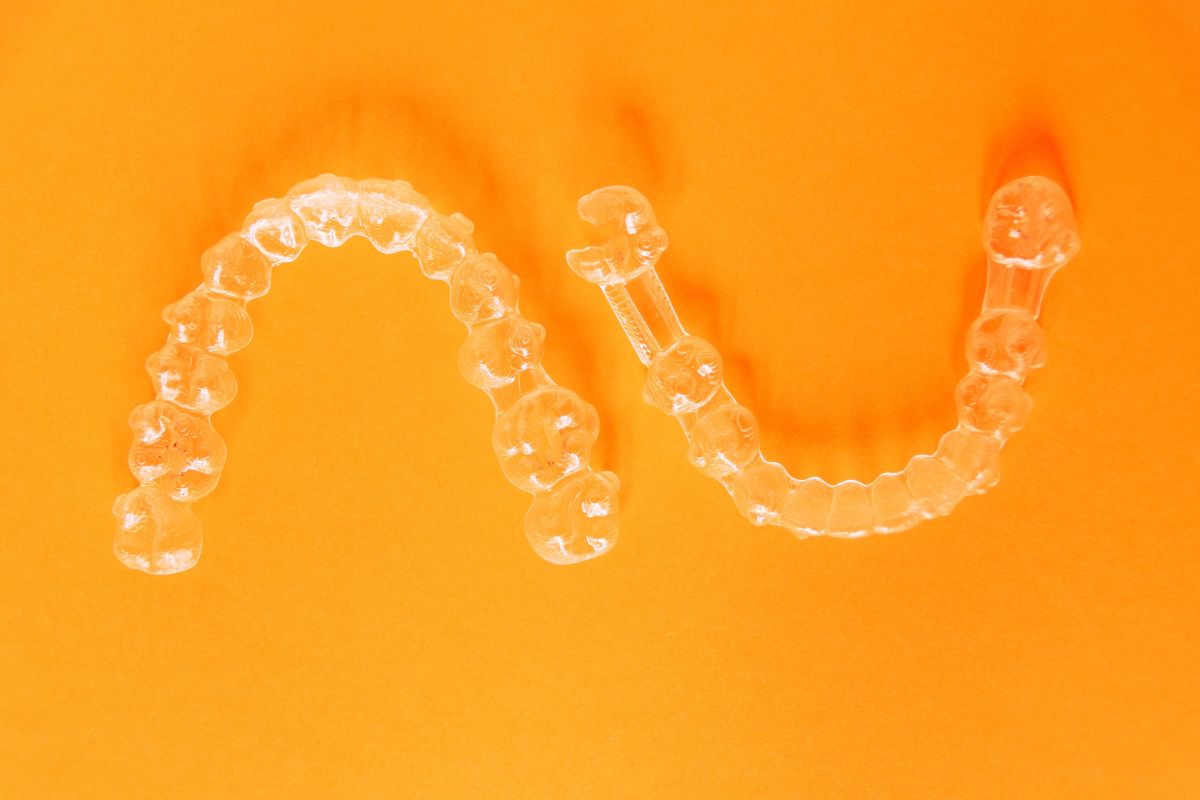
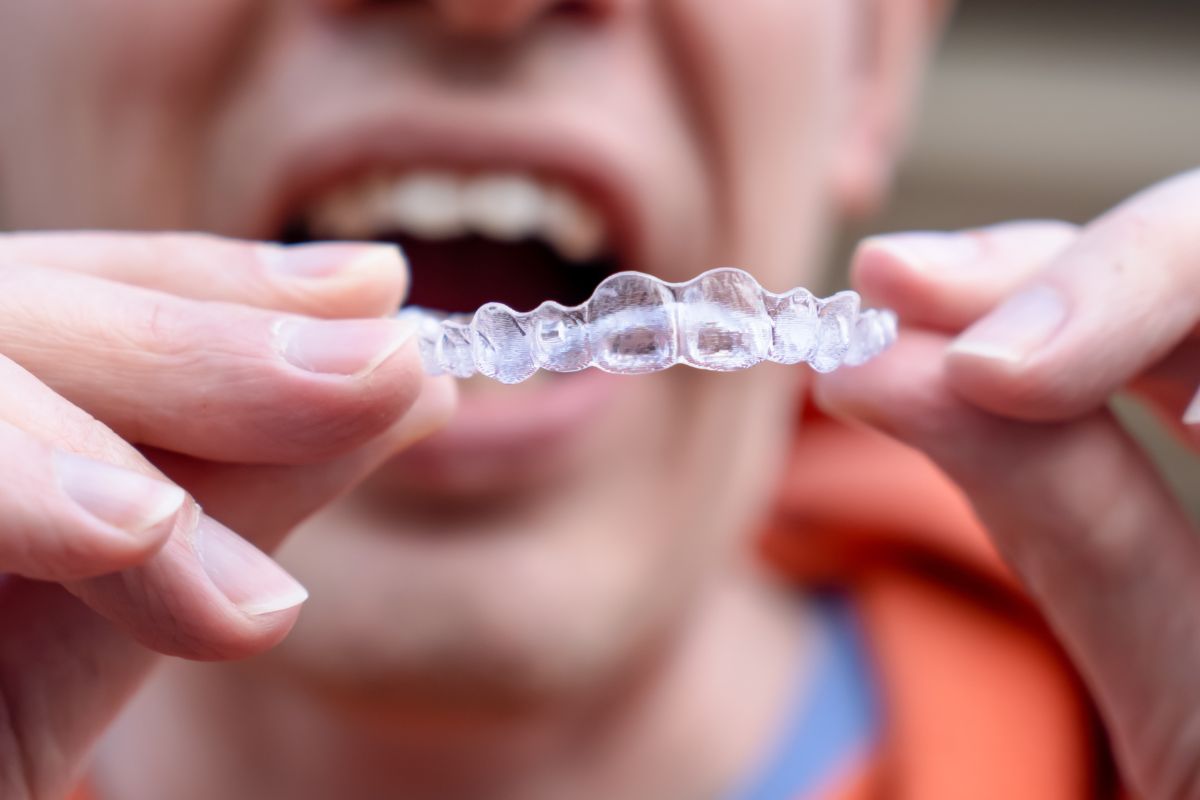
Invisalign uses a series of custom-made clear aligners that gradually move teeth into healthier positions. Each set of aligners is carefully designed to make small adjustments over time until the desired bite is achieved.
For mild to moderate open bites, Invisalign often produces excellent results. The aligners apply gentle, controlled pressure that encourages teeth to move according to a customized treatment plan.
Orthodontists may also use small tooth-colored attachments or special rubber bands with Invisalign to improve tooth movement and help close the open bite more effectively.
Because every case is different, an orthodontic evaluation is necessary to determine whether Invisalign is the most appropriate treatment option.
Which Open Bites Respond Best to Invisalign?
Invisalign is often successful for patients who have:
- Mild to moderate anterior open bites
- Open bites are caused primarily by tooth positioning
- Good overall oral health
- Healthy gums and supporting bone
- A commitment to wearing aligners for 20 to 22 hours each day
Patients who consistently wear their aligners as instructed typically experience the best treatment outcomes.
When Invisalign May Not Be the Best Choice
Although Invisalign has advanced significantly over the years, some open bite cases require different treatment approaches.
These may include:
- Severe skeletal open bites caused by jaw structure
- Significant jaw growth differences
- Complex bite problems involving multiple orthodontic issues
- Cases where jaw surgery may be recommended
In these situations, traditional braces or a combination of orthodontic treatment and oral surgery may provide more predictable results.
The most effective treatment always begins with a thorough orthodontic examination and personalized treatment plan.
What to Expect During Invisalign Treatment
Understanding the treatment process can help you feel more prepared before beginning your smile journey.
Initial Consultation
Your orthodontist will examine your teeth, evaluate your bite, and determine whether Invisalign is appropriate for your specific needs.
Digital Imaging
Instead of messy impressions, many practices use digital scanners to create detailed three-dimensional images of your teeth.
Custom Treatment Planning
Using advanced software, your orthodontist maps out each stage of tooth movement before treatment even begins.
Receiving Your Aligners
Once your custom aligners are ready, you will receive several sets along with instructions for wearing and changing them.
Most patients switch to a new set every one to two weeks, depending on their treatment plan.
Wearing Your Aligners
For the best results, Invisalign aligners should be worn for 20 to 22 hours every day.
They should only be removed when:
- Eating meals
- Drinking beverages other than water
- Brushing your teeth
- Flossing
Consistent wear is one of the most important factors in successful treatment.
Regular Progress Visits
Unlike traditional braces, Invisalign appointments are usually shorter and less frequent.
During these visits, your orthodontist checks that your teeth are moving according to plan and provides your next sets of aligners.
Life After Invisalign
Once treatment is complete, most patients receive custom retainers.
Retainers help keep the teeth in their new positions and reduce the risk of the open bite returning over time.
Wearing retainers exactly as instructed is an important part of maintaining your new smile.
Benefits of Invisalign for Treating an Open Bite
Many patients appreciate Invisalign because it offers several advantages beyond improving bite alignment.
Nearly Invisible Appearance
The clear aligners are discreet, making them a popular option for teens and adults who prefer a less noticeable orthodontic treatment.
Comfortable Fit
Since there are no metal brackets or wires, Invisalign generally causes less irritation to the cheeks and gums.
Easier Oral Hygiene
Because the aligners are removable, brushing and flossing remain simple throughout treatment.
No Food Restrictions
Unlike braces, Invisalign allows you to continue enjoying your favorite foods because the aligners are removed before meals.
Fewer Emergency Appointments
There are no broken brackets or loose wires to repair, making treatment more convenient for many patients.
Get a Healthier Bite With the Right Orthodontic Care
An open bite can affect how you eat, speak, and feel about your smile, but it is often treatable with the right orthodontic approach. For many people, invisalign treatment offers a comfortable and effective way to correct mild to moderate open bites while fitting easily into everyday life. The best way to know if Invisalign is right for you is through a personalized orthodontic evaluation.
If you are looking for experienced orthodontic care in Uniontown, OH, the team at Spoonhower Orthodontics is here to help you understand your treatment options and create a plan that fits your unique smile. Contact us today to learn more and request your consultation.