Let's talk about your smile: (330) 896-0600
Effective Tips for Making Braces More Comfortable

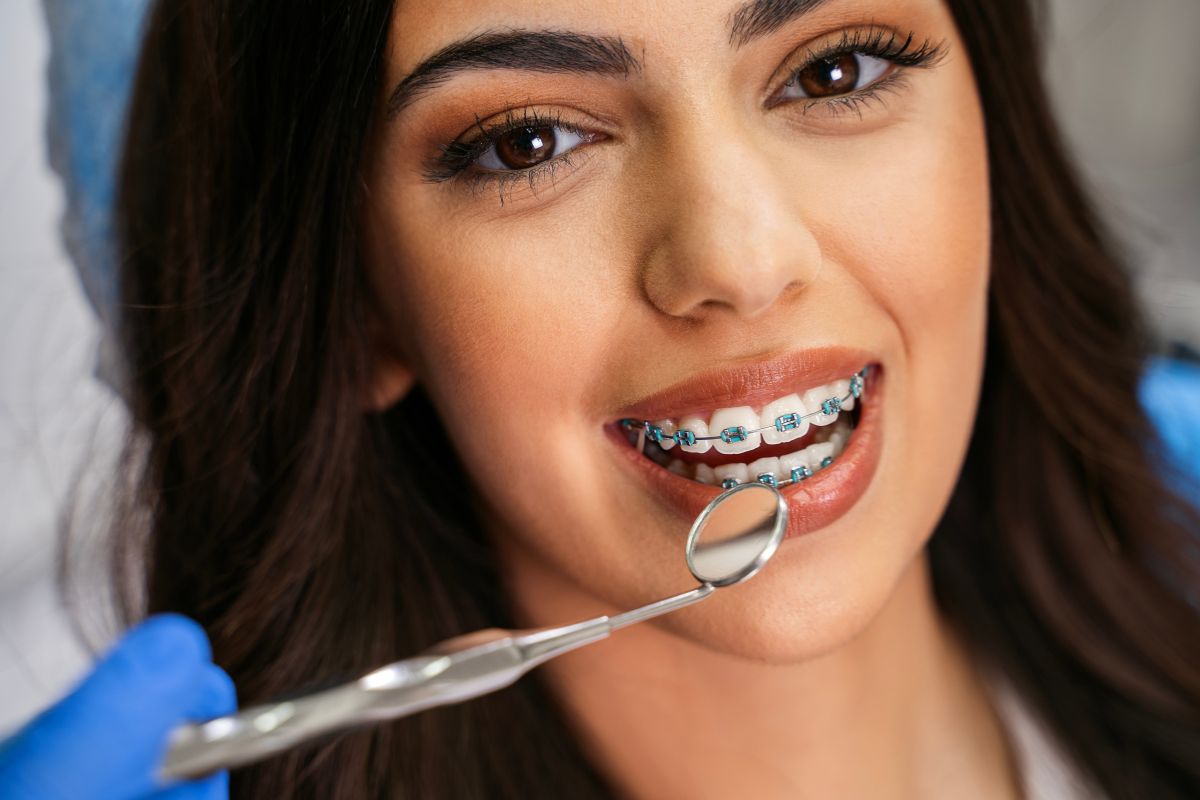
Wearing braces is a common part of many people’s journey toward a straighter, healthier smile. While braces do an excellent job of aligning your teeth, the adjustment process can sometimes lead to discomfort. Fortunately, there are many simple and effective ways to make wearing braces more comfortable. Whether it’s getting used to the braces themselves or dealing with sore spots, this guide will provide helpful tips to ease the process and make the experience more manageable.
1. Follow Your Orthodontist’s Instructions
One of the most important things you can do to ensure a comfortable experience with braces is to follow your orthodontist’s instructions closely. They will provide specific guidelines on how to care for your braces, what foods to avoid, and how to keep your teeth clean. Adhering to these instructions will help minimize discomfort and reduce the risk of complications. Your orthodontist may also provide additional tips to make adjustments easier based on your personal needs.
2. Use Orthodontic Wax for Irritation
When you first get braces, it’s common to experience some irritation inside your mouth. The metal brackets and wires can rub against your cheeks and lips, causing soreness. To ease this discomfort, orthodontic wax can be a lifesaver. It’s a simple, soft wax that you can apply to the brackets to create a smooth barrier between the metal and your mouth. Orthodontic wax is easy to use and can be applied throughout the day to any area where you feel irritation.
Simply pinch off a small piece of wax, roll it between your fingers to soften it, and press it onto the bracket or wire that’s causing discomfort. This will help protect your cheeks and lips, giving them time to adjust to the braces.
3. Stick to Soft Foods After Adjustments
After getting your braces put on or following an adjustment, your teeth and gums may feel sore for a few days. During this time, it’s best to stick to soft foods that won’t require too much chewing. Foods like mashed potatoes, yogurt, scrambled eggs, smoothies, and soups are excellent options that won’t put additional pressure on your teeth. Avoid hard, crunchy, or sticky foods, as they can increase discomfort and may even damage your braces.
As you adjust to your braces, you can gradually reintroduce more solid foods into your diet. Just be sure to cut them into smaller, manageable pieces to avoid straining your teeth.
4. Use Saltwater Rinses to Soothe Soreness
If you’re dealing with soreness or irritation in your mouth, a saltwater rinse can offer some relief. Saltwater helps to soothe inflammation and reduce swelling, making it a great natural remedy for the discomfort that sometimes accompanies braces.
To make a saltwater rinse, simply mix about half a teaspoon of salt into a glass of warm water. Swish the solution around your mouth for about 30 seconds, then spit it out. You can repeat this process several times a day as needed to ease discomfort.
5. Take Over-the-Counter Pain Relievers
If the soreness from your braces becomes too uncomfortable, over-the-counter pain relievers like ibuprofen or acetaminophen can help. These medications can reduce both pain and inflammation, making the adjustment period more manageable. However, always follow the dosage instructions and consult your orthodontist if you’re unsure about which pain reliever is best for you.
6. Keep Your Braces Clean
Keeping your braces clean is essential for both your oral health and your overall comfort. Food particles can easily get stuck in your braces, which can lead to discomfort, plaque buildup, and even cavities. Brushing your teeth after every meal and flossing daily will help you avoid these issues. Your orthodontist may recommend using special tools, such as a floss threader or an interdental brush, to clean around the brackets and wires more effectively.
Taking good care of your braces will help prevent irritation and keep your mouth feeling fresh and comfortable.
7. Address Loose Wires or Brackets Promptly
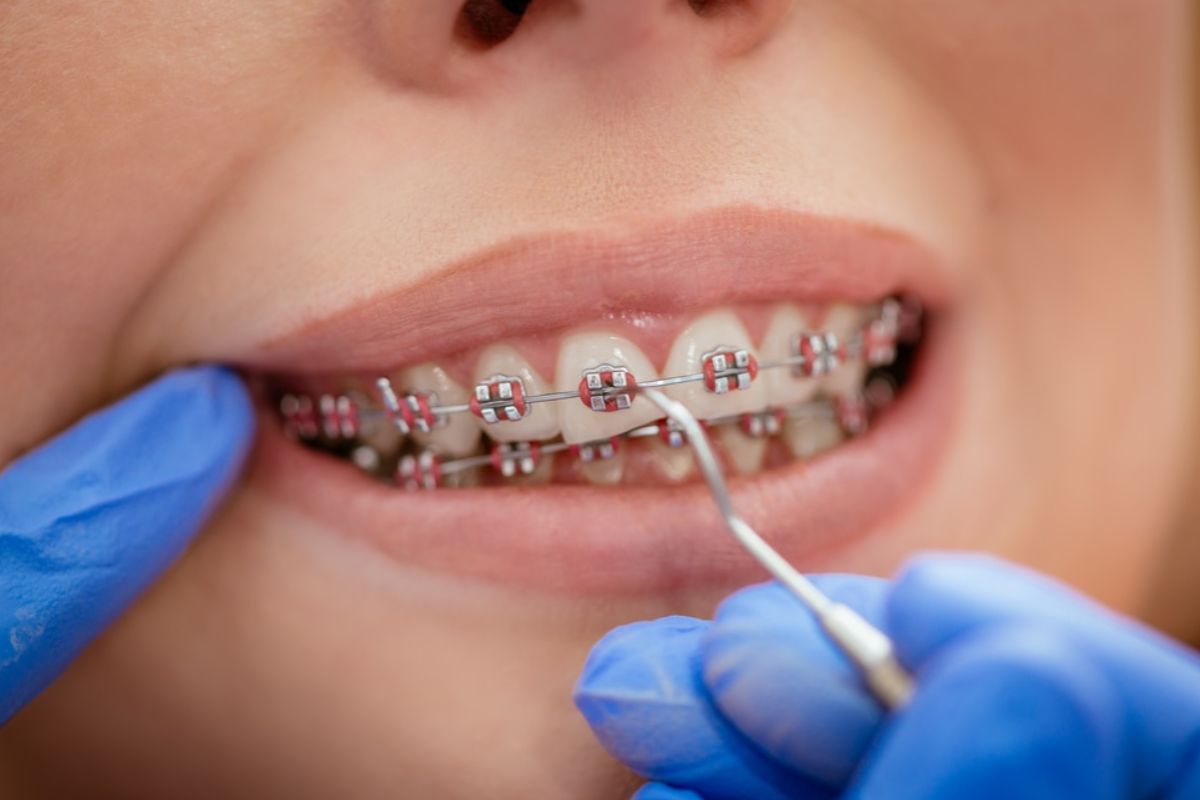
Occasionally, a wire or bracket may come loose. When this happens, it can cause significant discomfort as the loose wire or bracket may poke or rub against your mouth. If you notice that something feels off, don’t hesitate to contact your orthodontist. They can fix the issue and make adjustments as necessary. In the meantime, you can use orthodontic wax to cover any loose wires and prevent further irritation.
It’s important not to try and fix these issues on your own, as improper handling could cause more harm to your braces or your teeth.
8. Use Ice Packs for Swelling
If your teeth or gums are feeling swollen after an adjustment, applying a cold compress or ice pack can help reduce inflammation and numb the area. Simply wrap an ice pack in a thin cloth and hold it against your cheeks for 10 to 15 minutes at a time. The cold will help ease the soreness and make the adjustment period more comfortable.
You can also suck on ice chips or enjoy a cold drink to achieve a similar effect from the inside of your mouth.
9. Stay Hydrated
Drinking plenty of water throughout the day is essential for your overall health, and it can also make wearing braces more comfortable. Staying hydrated helps keep your mouth moist, reducing irritation and preventing dry mouth, which can make discomfort worse. Additionally, drinking water throughout the day can help wash away food particles and debris that might get stuck in your braces.
10. Be Patient and Stay Positive
Finally, remember that the discomfort associated with braces is only temporary. As your teeth gradually move into their new positions, the soreness will become less frequent, and you’ll get used to wearing braces. Focus on the end goal: a beautiful, healthy smile. Staying positive and being patient will help make the experience much easier to handle.
Conclusion
Wearing braces doesn’t have to be a painful experience. By following these practical tips, you can minimize discomfort and make your journey to a straighter smile much more manageable. From using orthodontic wax to sticking with soft foods after adjustments, there are many ways to keep yourself comfortable throughout the process. Always follow your orthodontist’s advice, and don’t hesitate to reach out if you have any concerns. With the right care and a little patience, you’ll soon enjoy the long-term benefits of a perfectly aligned smile.