Let's talk about your smile: (330) 896-0600
How Long Do You Have to Wear a Retainer After Your Braces Come Off?

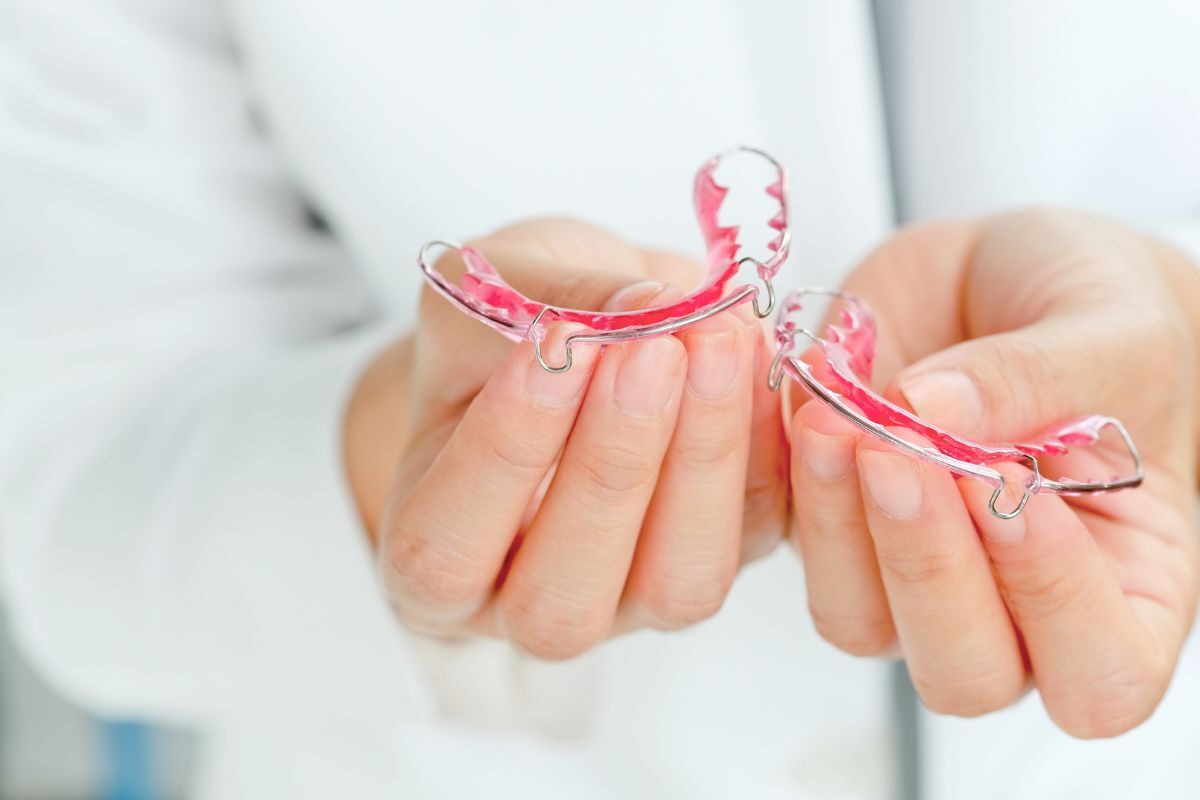
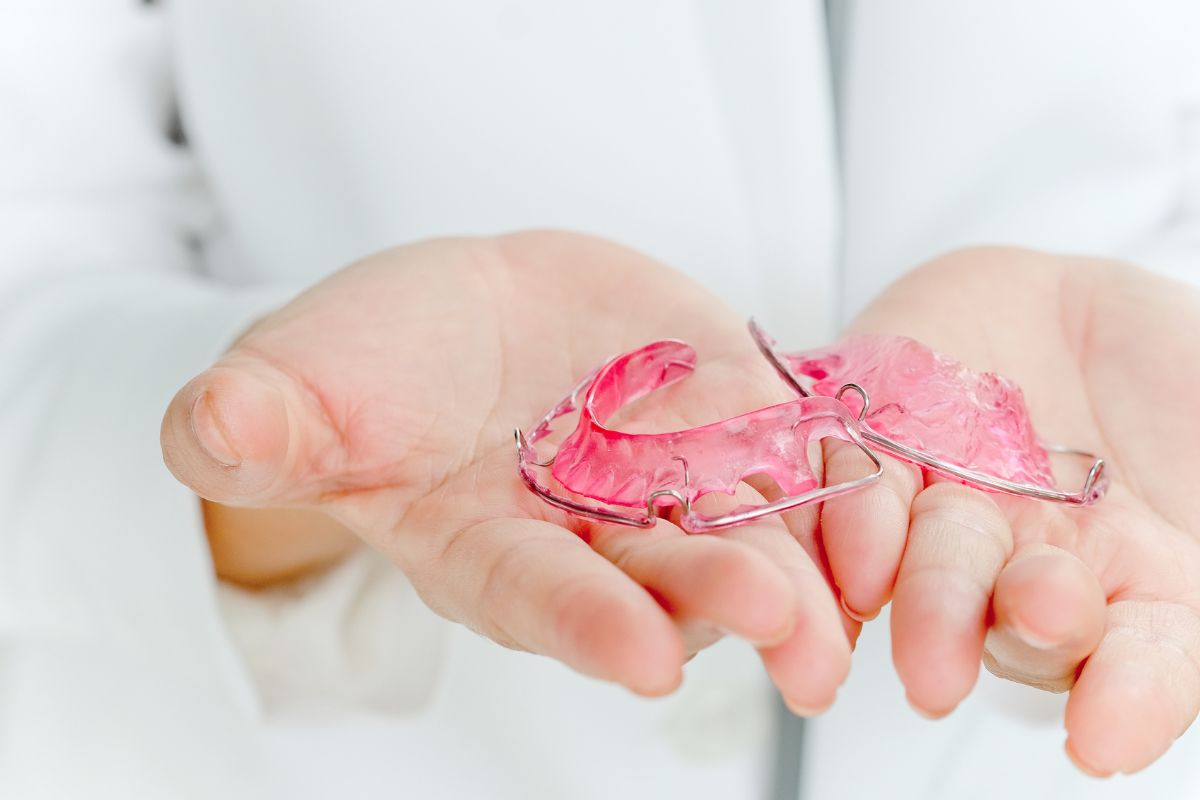
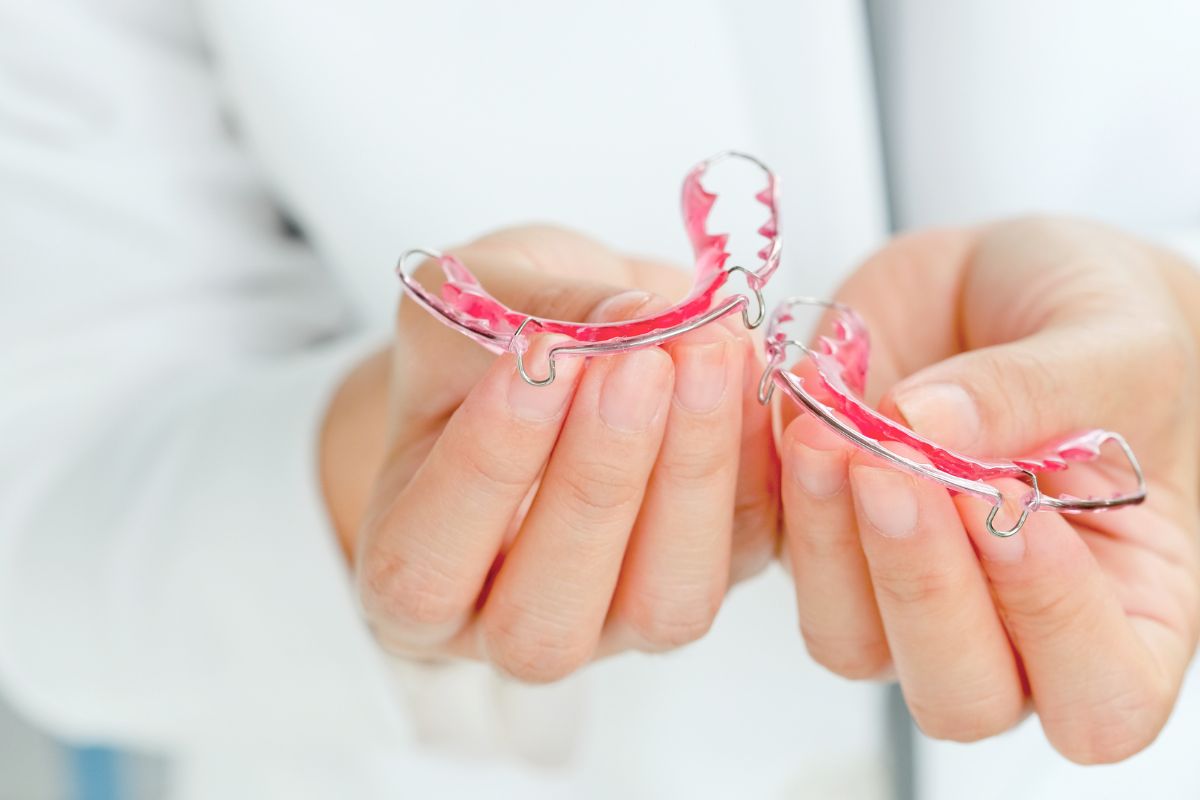
Getting braces off is a milestone worth celebrating, but it isn’t quite the finish line most people expect. Teeth naturally want to drift back toward their original position, which is exactly why dental retainers are part of the process. The question almost everyone asks at that point is simple: how long do I actually have to wear this thing?
The team at Spoonhower Orthodontics gets this question constantly, and Dr. Christopher Spoonhower always gives the same honest answer: it depends on the person, but there are some general timelines that apply to most people.
Why Are Retainers Necessary at All?
Teeth are held in place by ligaments and bone that need time to fully adapt to a new position after braces are removed. Without a retainer, teeth can start shifting back toward their original spots within just a few months, which would undo a significant portion of the progress made during treatment.
The Typical Retainer Timeline
Most orthodontists follow a similar general pattern, though it’s always adjusted based on the individual case.
The first few months: full-time wear: Right after braces come off, retainers are usually worn nearly full-time, generally 20 to 22 hours a day, removed only for eating and brushing. This is the period when teeth are most likely to shift, so consistency matters the most here.
The following months: nighttime wear: After the first few months, most patients transition to wearing a retainer only at night. This phase typically continues for a longer stretch, often a year or more, depending on how the teeth respond.
Long-term maintenance: a few nights a week: Eventually, many people move to wearing a retainer just a couple of nights a week. Some orthodontists recommend continuing this indefinitely, since teeth can still shift gradually even years after treatment ends.
Why the Timeline Isn’t the Same for Everyone?
A few factors influence exactly how long full-time and nighttime wear are needed, including how much the teeth originally needed to move, the individual’s age, and how the teeth and surrounding bone respond during the retention phase. This is why it’s worth following the specific schedule an orthodontist provides rather than relying on a general timeline found elsewhere.
What Happens If You Skip Wearing Your Retainer?
Teeth can begin shifting noticeably within just a few weeks of inconsistent retainer wear, especially in the months right after braces come off. In many cases, this shifting is reversible if caught early, but it sometimes requires a period of more consistent wear to correct or, in more significant cases, a return to some form of orthodontic treatment.
If you’ve fallen out of the habit of wearing your retainer and are noticing any changes, don’t wait too long to address it. Contact us so we can check things out and figure out the right next step.
Caring for Your Retainer
Whether it’s a removable or fixed retainer, keeping it clean matters just as much as wearing it consistently. Removable retainers should be rinsed after every wear and cleaned regularly with a soft brush, avoiding hot water, which can warp the material. Fixed retainers need a bit more attention during flossing, since food can get caught around the wire.
Keep Your Smile Where It Belongs – Take the Next Step Toward a Healthier Smile
Wearing a retainer as directed is what protects everything your braces accomplished in the first place. If you have questions about your specific timeline or it’s time for a retainer check, our orthodontist in Green is happy to help. Visit our dental office to keep your smile exactly where it belongs.