Let's talk about your smile: (330) 896-0600
Why Does My Retainer Suddenly Feel Too Tight?

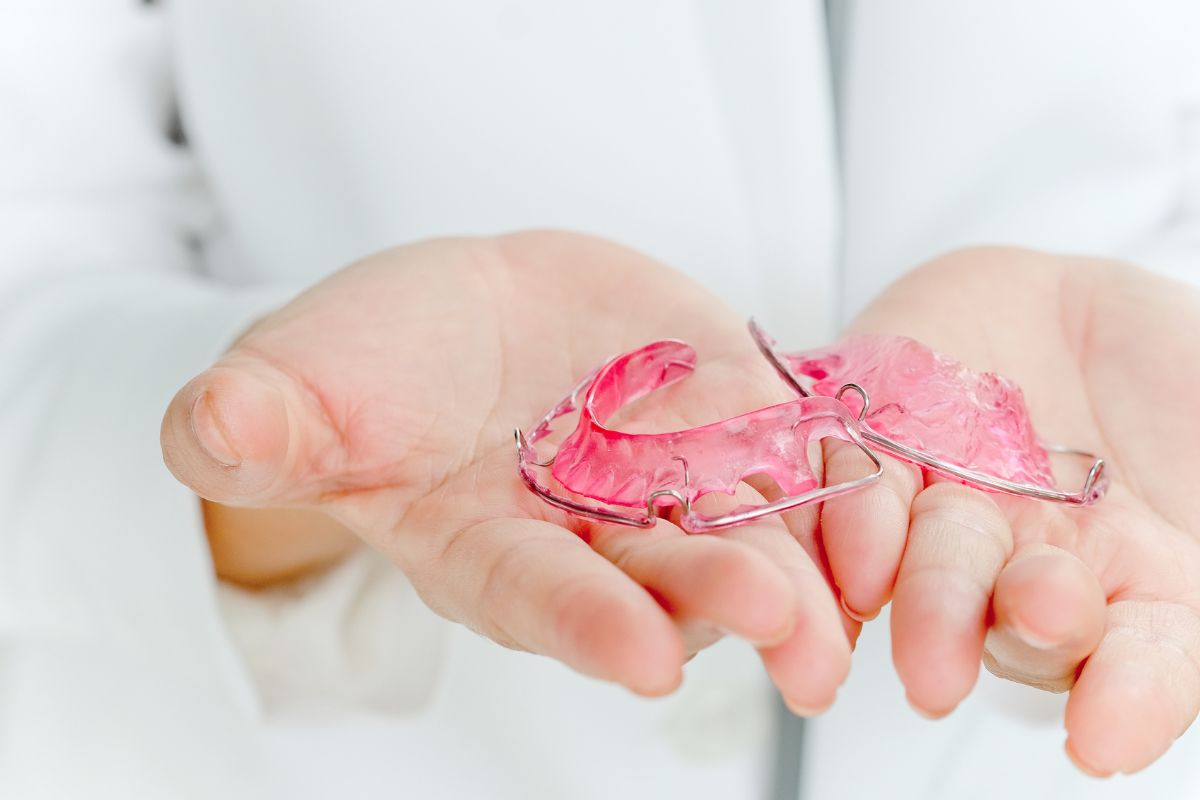
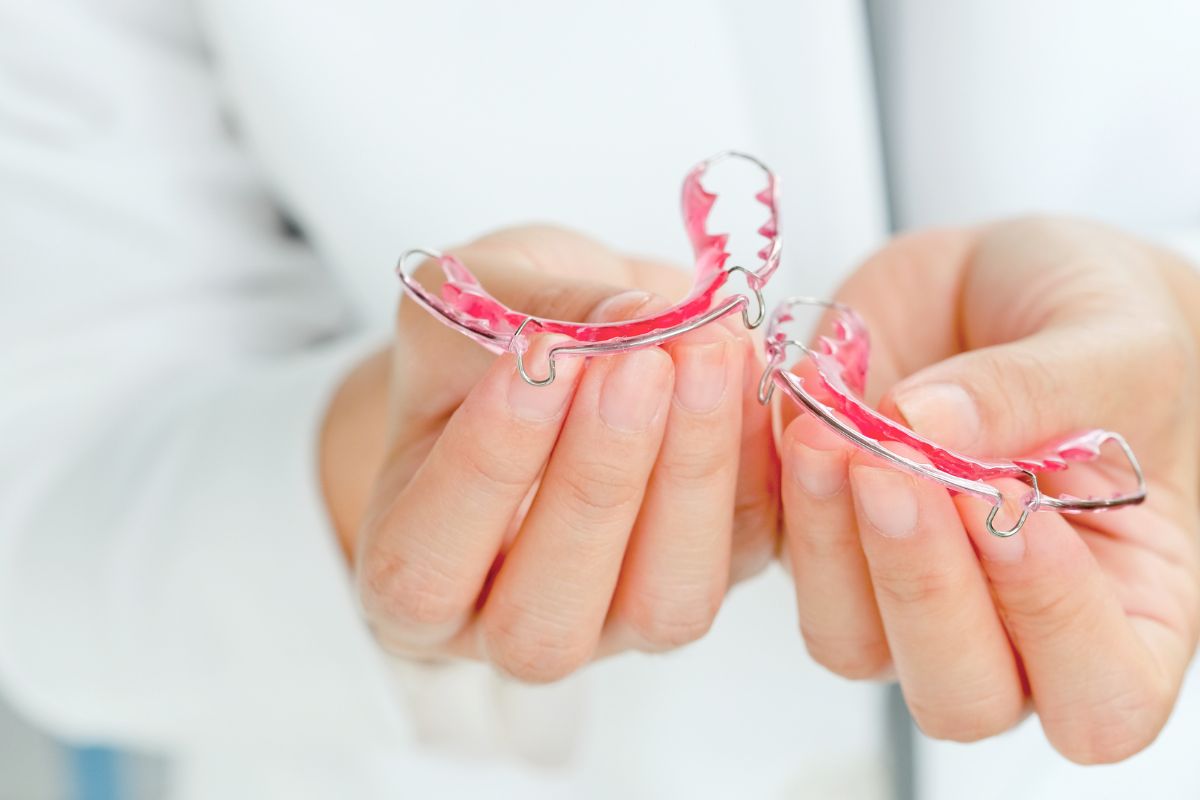
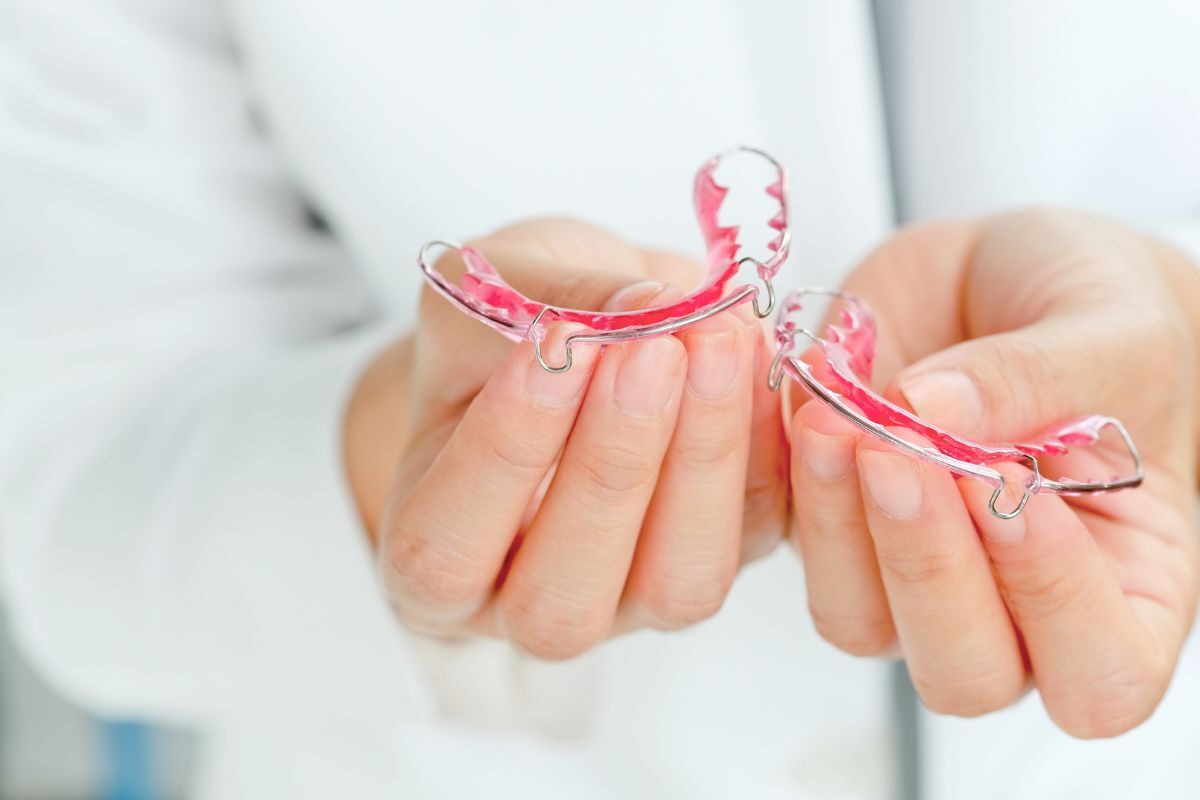
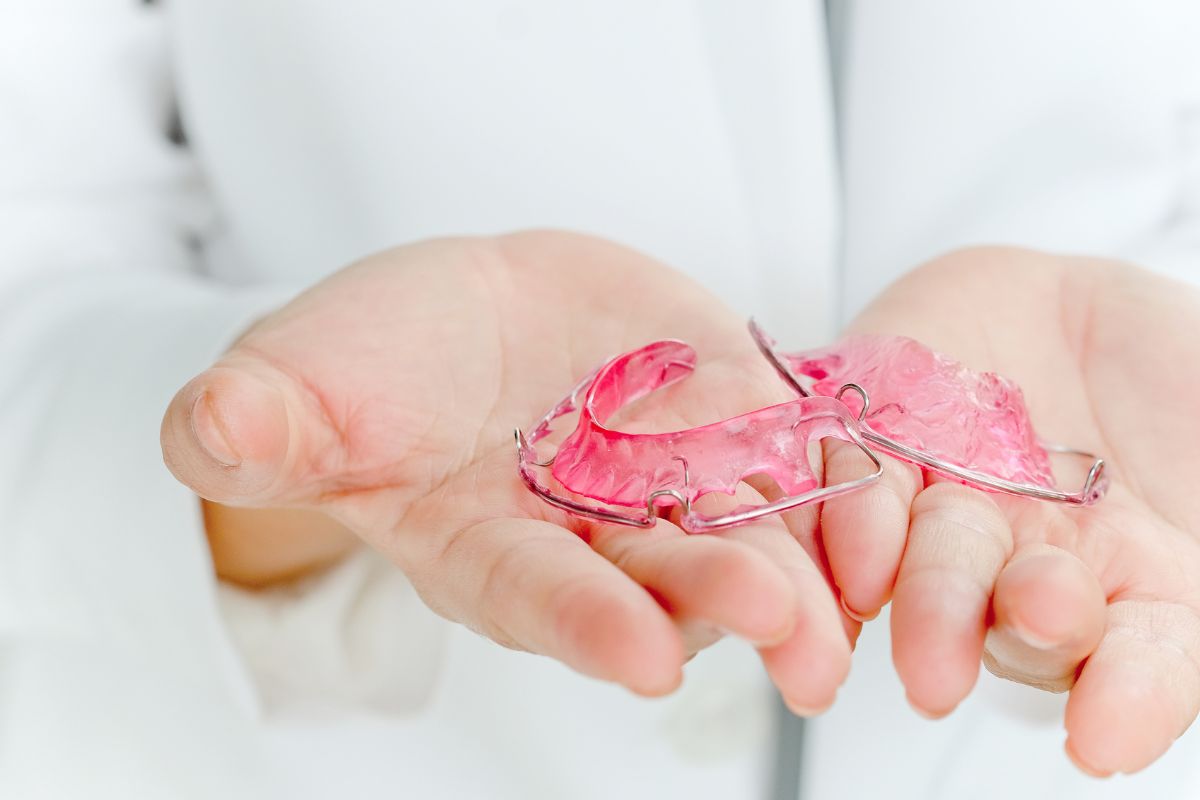
You put in your retainer expecting it to fit the way it always has, but suddenly it feels much tighter than usual. Maybe it takes more effort to get it into place, or you notice pressure on a few teeth after putting it on.
A retainer that feels tight does not always mean something is seriously wrong. In many cases, it can happen because your teeth have shifted slightly since you last wore it. Teeth naturally have some ability to move, which is why wearing orthodontic retainers as directed is an important part of maintaining the results of orthodontic treatment.
However, the way the retainer feels can also provide useful information about your teeth and the appliance itself. Understanding the possible reasons can help you know when to continue wearing it as instructed and when to contact your orthodontist.
Why Do Retainers Become Tight?
The most common reason a retainer suddenly feels tight is that your teeth have moved slightly.
After braces or clear aligner treatment, the tissues surrounding your teeth need time to adapt to their new positions. Even after treatment is completed, teeth can gradually shift if they are not being held in place by a retainer.
A small amount of movement may make your retainer feel tighter than it did previously.
This can happen even if you have not noticed any obvious changes in the appearance of your teeth.
You May Not Be Wearing Your Retainer Often Enough
One of the most common reasons for a tight retainer is inconsistent wear.
If you normally wear your retainer every night but skip several nights, your teeth may begin to move slightly. When you put the retainer back in, it may feel tighter because it is now applying pressure to guide the teeth back toward their previous positions.
This does not necessarily mean your teeth have shifted dramatically.
However, repeated gaps in retainer wear can allow more movement over time.
Your orthodontist will provide specific instructions about how often you should wear your retainer based on your treatment history and individual needs.
Can a Retainer Tighten Your Teeth Back Into Position?
Sometimes a retainer that feels slightly tight can help guide very minor tooth movement back toward the position established by treatment.
However, this does not mean you should use an excessively tight retainer to force your teeth into position.
If the retainer is extremely uncomfortable, does not fit completely, or cannot be seated properly, do not force it into place.
Your orthodontist can determine whether the retainer is still appropriate or whether your teeth have shifted enough to require another solution.
Why Do Teeth Shift After Orthodontic Treatment?
Teeth are not permanently locked into one position after braces or aligners are removed.
The bone and tissues surrounding the teeth continue adapting, and everyday forces from chewing, speaking, and other oral functions can influence tooth position.
This is why retention is considered an important part of orthodontic treatment.
Without consistent retainer use, teeth can gradually move away from the positions achieved during treatment.
The amount of movement varies from person to person. Some people may notice changes quickly, while others may experience very little movement for a longer period.
Could the Retainer Itself Be the Problem?
Yes. A tight feeling does not always mean that your teeth have shifted.
Orthodontic retainers can change shape or become damaged over time.
For example, a retainer may be affected by:
- Cracks or breaks.
- Bending or warping.
- Exposure to excessive heat.
- Normal wear over time.
- Changes in the appliance’s shape.
If your retainer suddenly feels different even though you have been wearing it consistently, inspect it for visible damage.
Do not try to reshape the retainer yourself. An orthodontic professional can determine whether the appliance still fits correctly.
What If Only One Tooth Feels Tight?
If you feel pressure around only one or two teeth, it may indicate that those teeth have shifted slightly.
This can be more noticeable with a retainer because the appliance is designed to fit a specific arrangement of teeth. Even a relatively small change in tooth position can affect how the plastic or wire sits.
Pay attention to whether the same area feels tight every time you wear the retainer.
If the pressure continues or becomes uncomfortable, let your orthodontist know.
Should You Keep Wearing a Tight Retainer?
It depends on how tight it is and whether it still fits properly.
If the retainer is slightly snug but seats completely and does not cause significant discomfort, your orthodontist may recommend continuing to wear it according to your prescribed schedule.
However, if you cannot fully seat the retainer, it causes significant pain, or it appears to be forcing a tooth into an unusual position, contact your orthodontic office.
Do not force an appliance that does not fit.
What If I Forgot My Retainer for Several Weeks?
If you have gone several weeks without wearing your retainer and it suddenly feels very tight, your teeth may have shifted during that time.
Do not assume that the retainer can simply force everything back into place.
Your orthodontist can examine your teeth and retainer and determine what should happen next. Depending on how much movement has occurred, the solution may involve continued retainer use, a replacement retainer, or additional orthodontic treatment.
The sooner you address the issue, the easier it may be to manage.
How Can You Prevent Your Retainer From Feeling Too Tight?
The most important step is consistency.
Follow the retainer schedule provided by your orthodontist rather than wearing the appliance only when you remember.
You should also:
- Store the retainer in its case when you are not wearing it.
- Keep it clean according to your orthodontist’s instructions.
- Keep it away from excessive heat.
- Avoid chewing on the appliance.
- Bring it to orthodontic appointments when requested.
- Contact your orthodontist if it becomes damaged or no longer fits correctly.
Taking care of the retainer itself is just as important as remembering to wear it.
When Should You Contact Your Orthodontist?
A slightly snug retainer is different from one that causes significant discomfort or no longer fits.
Contact your orthodontist if:
- The retainer will not seat completely.
- It suddenly becomes extremely tight.
- You experience significant pain.
- The retainer is cracked or distorted.
- A wire is broken or bent.
- A tooth appears to have shifted noticeably.
- The retainer repeatedly feels different despite consistent wear.
- You have lost your retainer.
Your orthodontist can determine whether the problem is related to tooth movement, the retainer itself, or another issue.
Why Orthodontic Retainers Matter After Treatment
Finishing braces or aligners is an important milestone, but retention is what helps maintain the position achieved during treatment.
Orthodontic retainers are designed to hold teeth in their corrected positions while the surrounding tissues adapt. Depending on your treatment plan, your orthodontist may recommend a specific type of retainer and wearing schedule.
Regular follow-up appointments can also help your orthodontic team monitor how your teeth are maintaining their positions and whether your retainer continues to fit properly.
At Spoonhower Orthodontics, patients can receive guidance on retainer use and maintaining their orthodontic results after active treatment. If your retainer suddenly feels different, discussing the change with your orthodontic team can help determine whether the appliance and your teeth are still progressing as expected.
Conclusion: A Tight Retainer Is Worth Paying Attention To
A retainer that suddenly feels too tight can be a sign that your teeth have shifted slightly, particularly if you have missed several days or weeks of wear. It can also happen because the retainer has become damaged or changed shape.
A slightly snug retainer is not necessarily a reason to panic, but significant discomfort or an appliance that no longer fits properly should not be ignored. Avoid forcing the retainer into place and contact your orthodontist if you are concerned.
Consistent retainer wear and regular orthodontic care can help protect the results you worked toward during treatment.
If your retainer no longer feels right, visit our dental office in Green, OH, for an evaluation.