Let's talk about your smile: (330) 896-0600
Is Invisalign® Right for You? Exploring the Pros and Cons

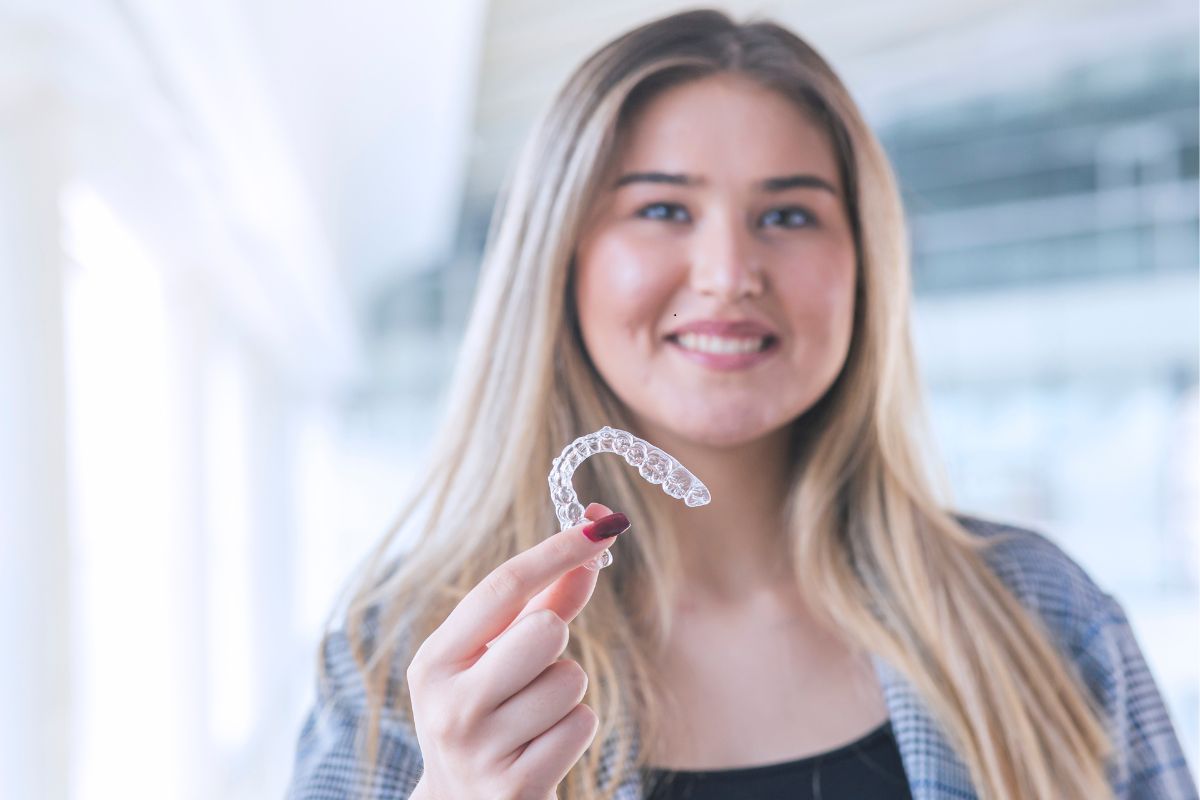
If you’re considering straightening your teeth, you’ve probably come across Invisalign as an option. Invisalign clear aligners have become a popular choice for many people seeking an alternative to traditional braces. These nearly invisible trays promise a more comfortable and less noticeable way to achieve a straighter smile. But is Invisalign the right choice for you? In this blog, we’ll explore the pros and cons of Invisalign to help you make an informed decision.
What is Invisalign®?
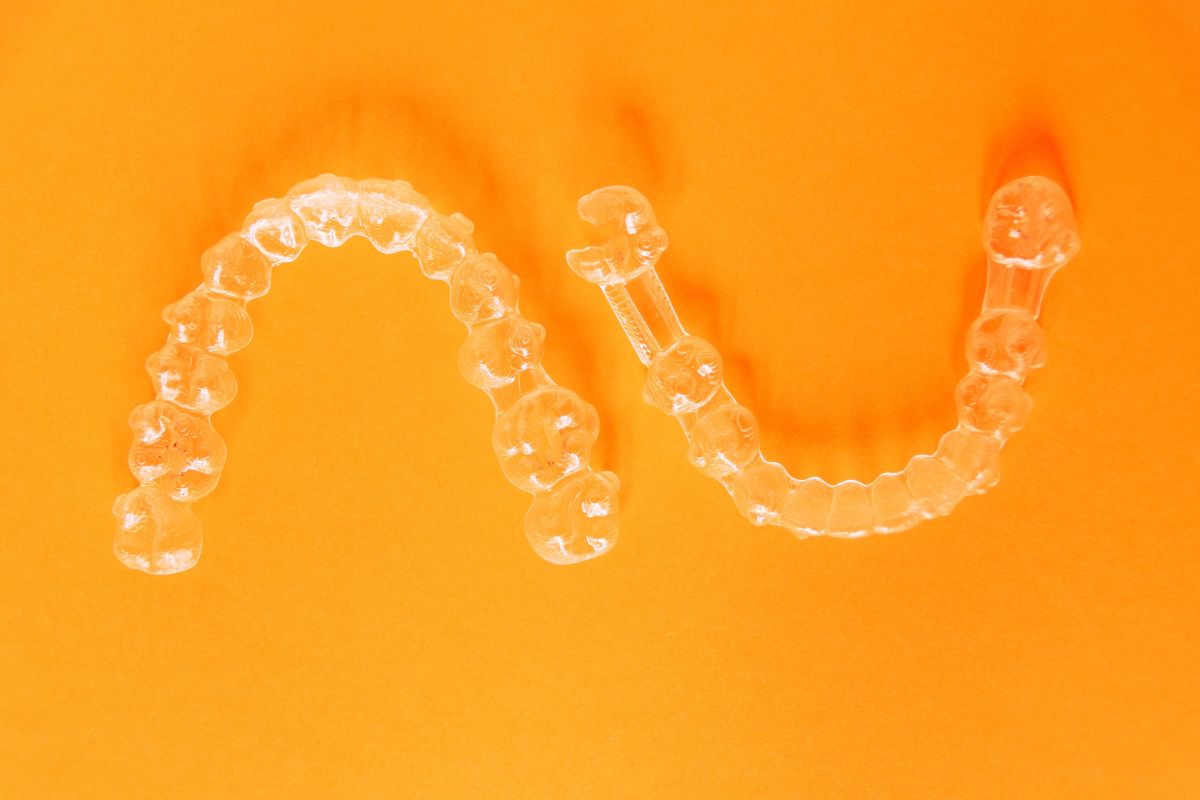
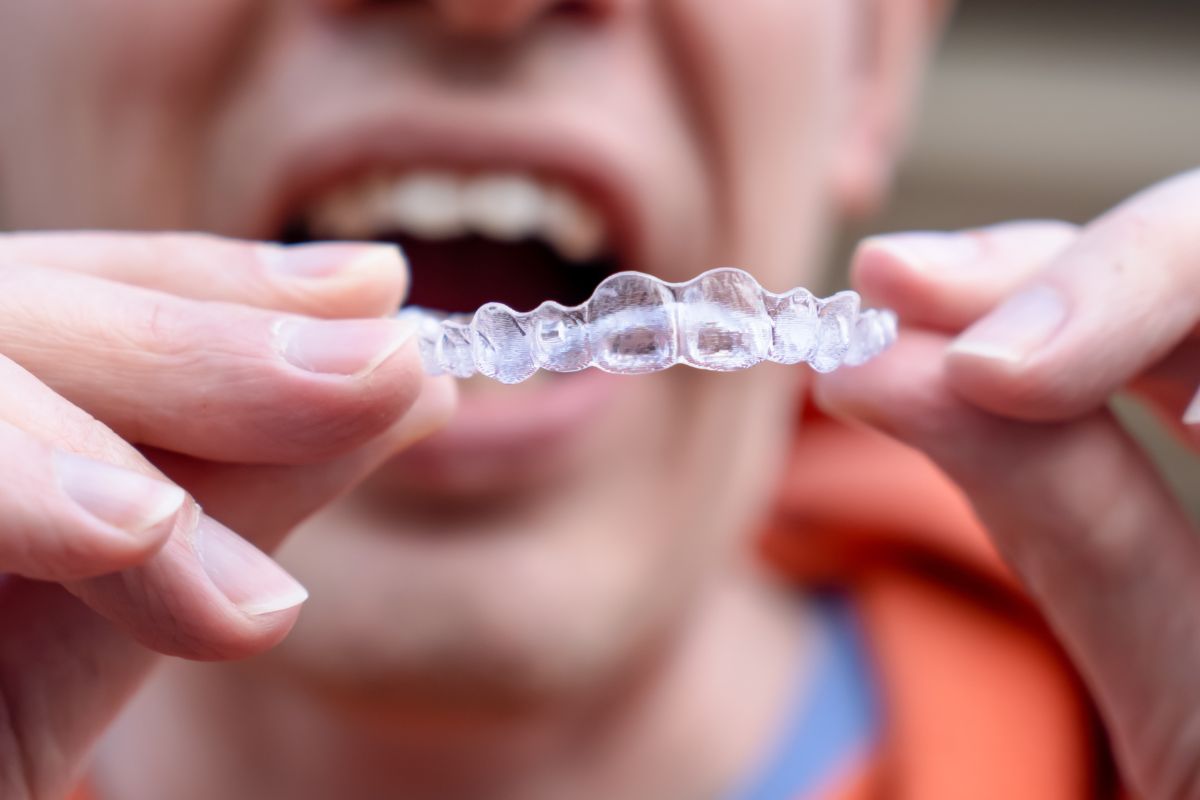
Invisalign uses a series of clear, custom-made aligners to gradually shift your teeth into the desired position. Unlike traditional metal braces, Invisalign clear aligners are removable and nearly invisible, making them a popular choice for teens and adults alike. The aligners are made from a smooth plastic material, and they fit snugly over your teeth, gently guiding them into place over time.
How Does Invisalign® Work?
The Invisalign process starts with a consultation with your orthodontist or dentist, who will assess your teeth and determine if you are a good candidate for clear aligners. If you proceed, digital scans or impressions of your teeth will be taken to create a custom treatment plan. This plan will map out the exact movements of your teeth and the duration of your treatment.
Once your aligners are ready, you’ll wear each set for about one to two weeks, depending on your orthodontist’s instructions. You’ll switch to a new set as your teeth gradually move into their correct positions. Throughout the treatment, regular check-ups are needed to ensure that everything is progressing as planned.
Pros of Invisalign®
1. Virtually Invisible Appearance
One of the biggest advantages of Invisalign is that the aligners are almost invisible when worn. This feature makes them an attractive option for those who want to straighten their teeth without the noticeable look of metal braces. Whether at work, school, or social events, you can smile confidently without feeling self-conscious about your treatment.
2. Comfortable to Wear
Invisalign clear aligners are made from smooth, BPA-free plastic, which makes them more comfortable than traditional braces that use metal brackets and wires. There are no sharp edges or wires that can irritate your cheeks and gums. This comfort factor is often a major reason why people prefer Invisalign.
3. Removable for Eating and Cleaning
Unlike braces, which are fixed to your teeth, Invisalign aligners are removable. This means you can take them out when eating, drinking, brushing, or flossing. You can enjoy your favorite foods without worrying about damaging brackets or getting food stuck in your braces. Cleaning your teeth is also easier since you can brush and floss normally without any obstacles.
4. Fewer Dental Visits
Invisalign requires fewer visits to the orthodontist compared to traditional braces. With braces, you often need to go in for adjustments, tightening, or repairs. With Invisalign, you usually only need to check in every 6-8 weeks to ensure your treatment is on track, making it a more convenient option for busy schedules.
5. Predictable Results with Advanced Technology
Invisalign treatment is planned using advanced 3D computer imaging technology. This allows you to see a digital preview of your expected results before starting the treatment. The technology maps out each movement of your teeth, making the results more predictable and precise.
Cons of Invisalign®
1. Requires Discipline and Consistency
One of the challenges of Invisalign is that the aligners must be worn for 20-22 hours a day to be effective. Because they are removable, it can be tempting to leave them out for too long, which can delay your progress. Unlike braces that are fixed in place, the success of Invisalign depends on your commitment to wearing them as instructed.
2. Not Suitable for All Cases
While Invisalign is a great option for many, it’s not suitable for every dental issue. Complex cases involving severe crowding, large gaps, or significant bite issues may require traditional braces or other orthodontic treatments. Your orthodontist will assess your specific needs to determine if clear aligners are the right choice for you.
3. Aligners Must Be Removed to Eat and Drink
While being removable is a benefit, it also means you have to take your aligners out every time you eat or drink anything other than water. This can be inconvenient, especially when dining out or snacking frequently. After eating, it’s important to brush your teeth before putting the aligners back in to avoid staining or damaging them.
4. Potential for Misplacement or Damage
Because the aligners are removable, there is a risk of losing or damaging them if not handled carefully. If you misplace an aligner, it can disrupt your treatment and may require additional costs to replace it. Keeping the aligners in a designated case when not in use can help prevent these issues.
5. Cost Considerations
Invisalign can be more expensive than traditional braces, depending on the length and complexity of your treatment. While the cost varies, it’s important to weigh the benefits against the price. Some dental insurance plans may offer partial coverage, but out-of-pocket costs can still be significant.
Is Invisalign® Right for You?
Deciding whether Invisalign is right for you depends on several factors, including your dental needs, lifestyle, and budget. Here are some key questions to consider:
- Are you looking for a nearly invisible way to straighten your teeth?
- Are you committed to wearing the aligners as instructed?
- Do you have mild to moderate alignment issues?
- Are you willing to maintain good oral hygiene and care for your aligners?
If you answered yes to these questions, Invisalign might be a great option for you. However, consulting with a qualified orthodontist is essential to evaluate your specific case and determine the best course of action.
Conclusion: Making the Right Choice
Invisalign clear aligners offer a discreet, comfortable, and effective way to achieve a straighter smile. With the right discipline and commitment, they can be an excellent alternative to traditional braces. However, it’s crucial to weigh the pros and cons and consult with your orthodontist to ensure it’s the right fit for your dental needs.
If you’re considering Invisalign, schedule a consultation to explore how clear aligners can help you achieve the smile you’ve always wanted. Remember, every smile is unique, and the best choice is the one that suits your needs and lifestyle.