Let's talk about your smile: (330) 896-0600
What Happens if You Don’t Wear Your Retainer?

Completing orthodontic treatment is a big milestone. After months or even years of wearing braces or aligners, finally seeing a straight smile can feel exciting and rewarding. However, many people don’t realize that the journey to maintaining that smile doesn’t end once the braces come off.
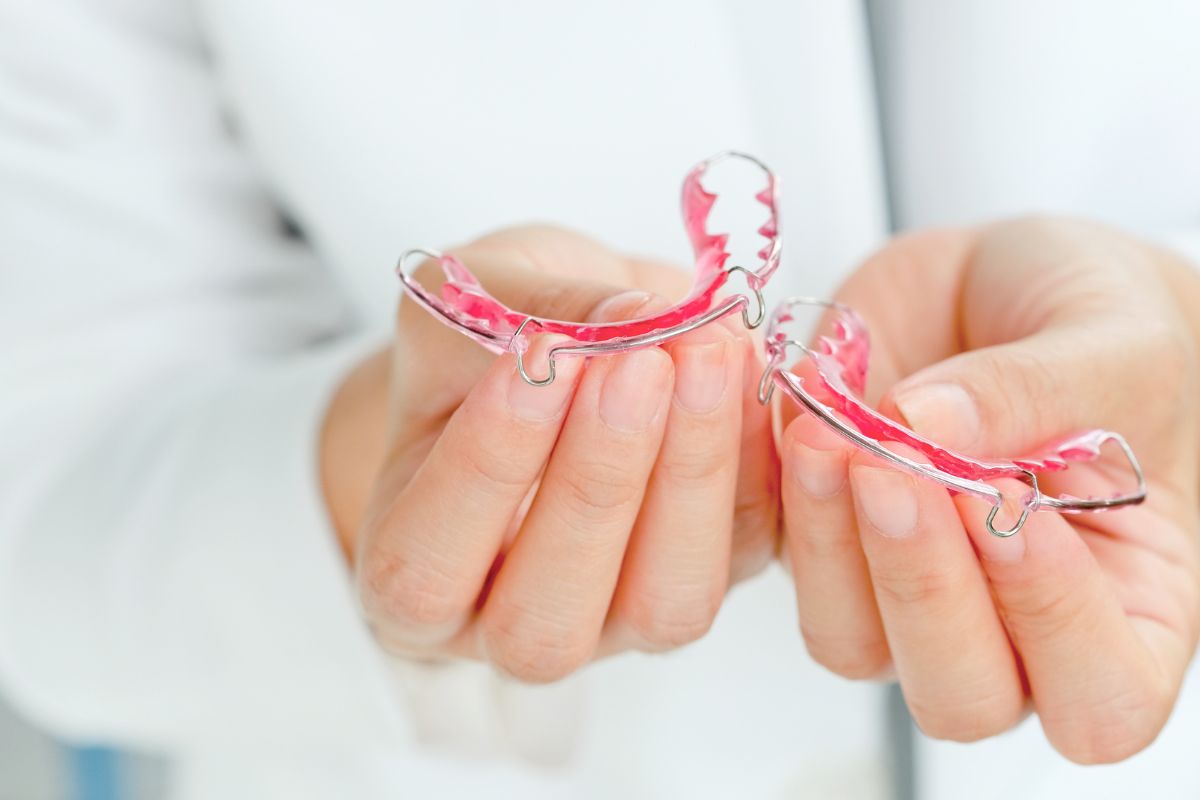
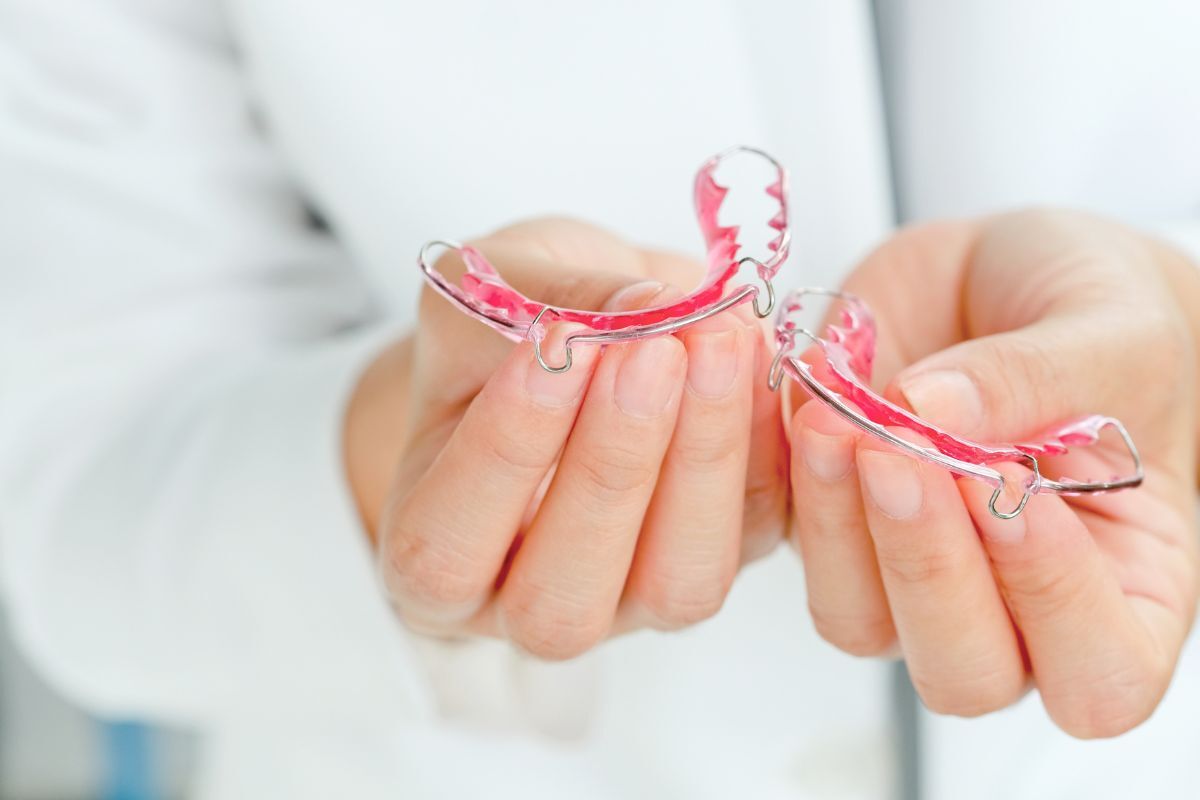
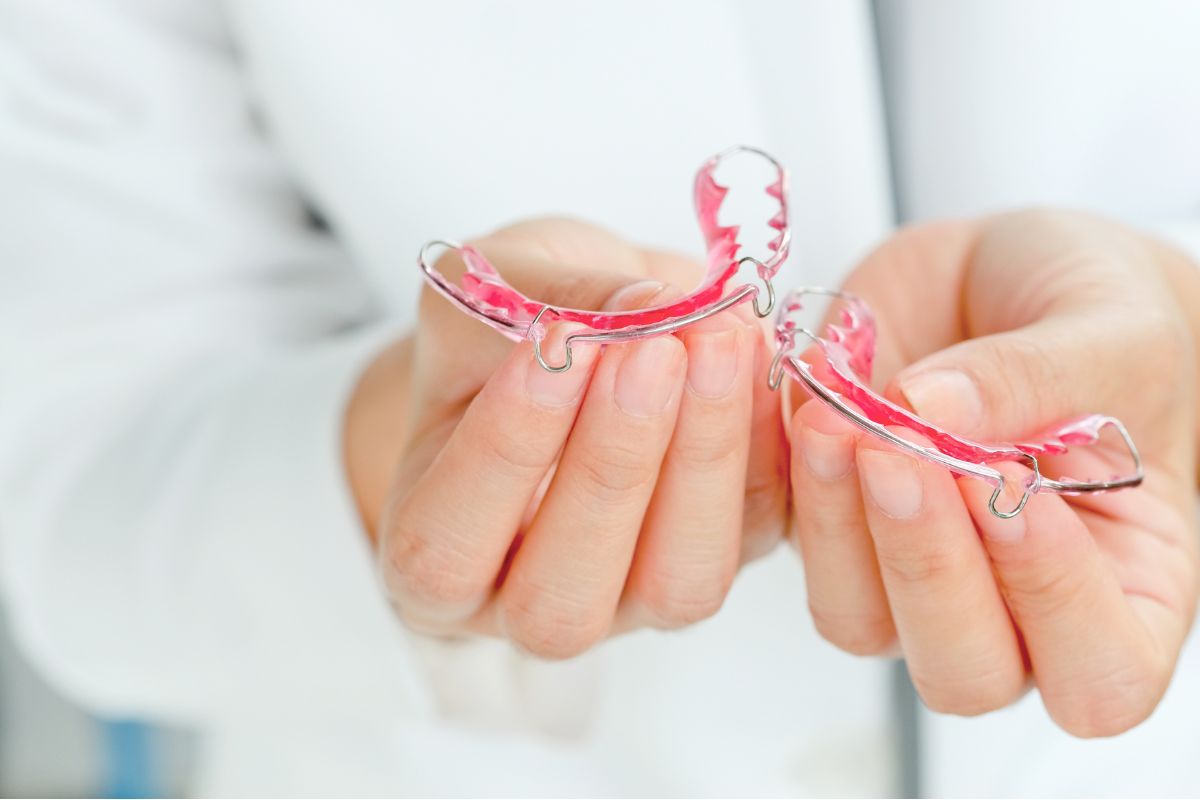
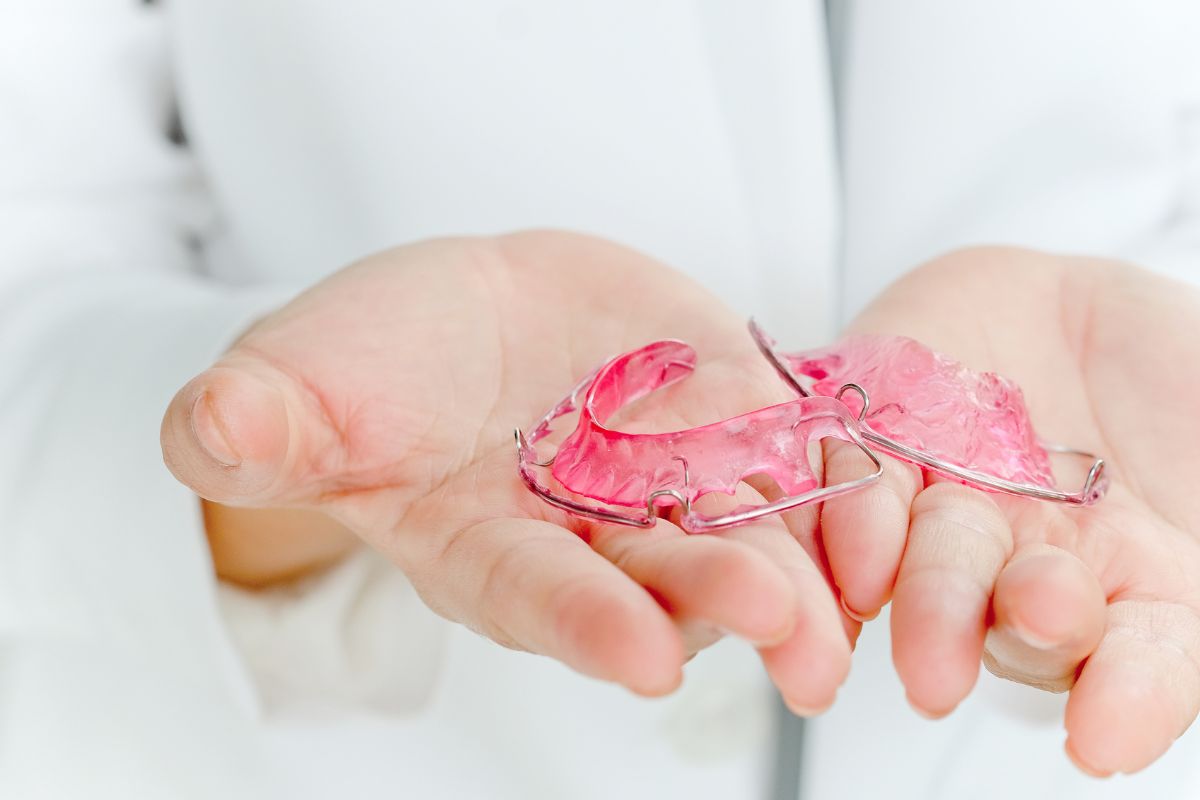
After treatment, your teeth still need time to stabilize in their new positions. This is where orthodontic retainer treatment becomes an essential part of protecting your results. Retainers help hold your teeth in place while the surrounding bone and tissues adjust. When retainers aren’t worn as recommended, teeth may gradually begin to move again.
Understanding what can happen when retainers are skipped can help you protect the smile you worked so hard to achieve.
Why Retainers Are Important After Orthodontic Treatment?
Teeth are not fixed permanently in one position. They are supported by ligaments and bone that can slowly adapt and shift over time. During orthodontic treatment, braces or aligners guide teeth into better alignment. Once the appliances are removed, the surrounding tissues still need time to settle.
Retainers act as a stabilizing tool during this phase. They help maintain the new alignment while the bone around the teeth strengthens. Without this support, teeth may gradually move back toward their previous positions.
Consistently wearing a retainer helps preserve the outcome of orthodontic treatment and keeps your smile looking the way it should.
What Happens When You Stop Wearing Your Retainer?
Many people assume that once their teeth are straight, they will stay that way forever. Unfortunately, that is not always the case. Here are some common changes that may occur if a retainer is not worn regularly.
Teeth May Begin to Shift
The most common result of skipping a retainer is gradual tooth movement. Teeth naturally try to return to their original positions, a process often called relapse.
Even small shifts can change the appearance of your smile. Over time, those subtle movements may become more noticeable.
Bite Changes Can Occur
When teeth begin to move, it can affect how the upper and lower teeth meet when you bite or chew. A small shift in one area may influence the overall balance of your bite.
This can sometimes lead to uneven pressure on certain teeth, which may affect chewing comfort.
Crowding May Return
The lower front teeth are especially prone to shifting. Many people notice that this area becomes slightly crowded if they stop wearing their retainer.
Crowding can make brushing and flossing more difficult, increasing the risk of plaque buildup over time.
Orthodontic Treatment May Be Needed Again
If teeth shift significantly, additional orthodontic treatment may be required to restore alignment. This could mean wearing braces or aligners for another period.
Wearing your retainer regularly can help avoid repeating the orthodontic process.
How Quickly Do Teeth Move Without a Retainer?
The speed of tooth movement can vary from person to person. Some individuals may notice small changes within a few weeks, while others may experience gradual shifting over several months or years.
Several factors influence how quickly teeth move, including:
- The original severity of misalignment
- The amount of time since orthodontic treatment ended
- Natural changes that occur with age
- How often the retainer is worn
Because everyone’s teeth respond differently, wearing your retainer as instructed is the best way to protect your results.
Signs Your Teeth May Be Starting to Shift
Sometimes the signs of tooth movement are subtle at first. Paying attention to small changes can help you address the issue early.
Common signs include:
- Your retainer feels tight or difficult to insert
- Small gaps or crowding begin to appear
- Your bite feels slightly different when chewing
- Teeth look less straight than they once did
If you notice any of these changes, it may be helpful to address them before the movement becomes more noticeable.
What to Do if You Haven’t Been Wearing Your Retainer?
If you realize you haven’t been wearing your retainer consistently, there are a few steps you can take.
First, try wearing the retainer again if it still fits comfortably. In many cases, returning to a regular routine can help maintain your alignment.
However, avoid forcing the retainer if it feels painful or extremely tight. This could indicate that your teeth have shifted more than expected.
If you have questions about your retainer or notice changes in your smile, contact us to discuss your concerns and explore possible solutions.
Simple Tips to Remember Your Retainer
Making retainer wear part of your daily routine can make a big difference in maintaining your orthodontic results.
Helpful tips include:
- Store your retainer in a protective case when it’s not being worn
- Clean it regularly to keep it fresh and comfortable
- Keep it near your toothbrush as a reminder to wear it
- Set a phone reminder if you tend to forget
Small habits like these can help ensure your smile stays aligned for years to come.
Protect Your Smile for Years to Come With Spoonhower Orthodontics
Keeping your teeth straight after braces or aligners requires ongoing care. Retainers play a key role in maintaining your results and preventing unwanted shifting. By wearing your retainer as recommended, you can help preserve the smile you worked so hard to achieve.
If you have questions about maintaining your results or need guidance about retainers, our experienced orthodontist in Green, OH, can help you understand the best way to protect your alignment. At Spoonhower Orthodontics, our team focuses on helping patients maintain healthy, confident smiles long after treatment ends.
Request an appointment today to learn more about caring for your smile and maintaining your orthodontic results.